



BART's 'Fleet of the Future' Projected to Come In Under Budget
Thanks to a revised schedule, and an accelerated monthly delivery rate of new railcars, the project is expected to cost $394 million less than when the contract was awarded in 2012.

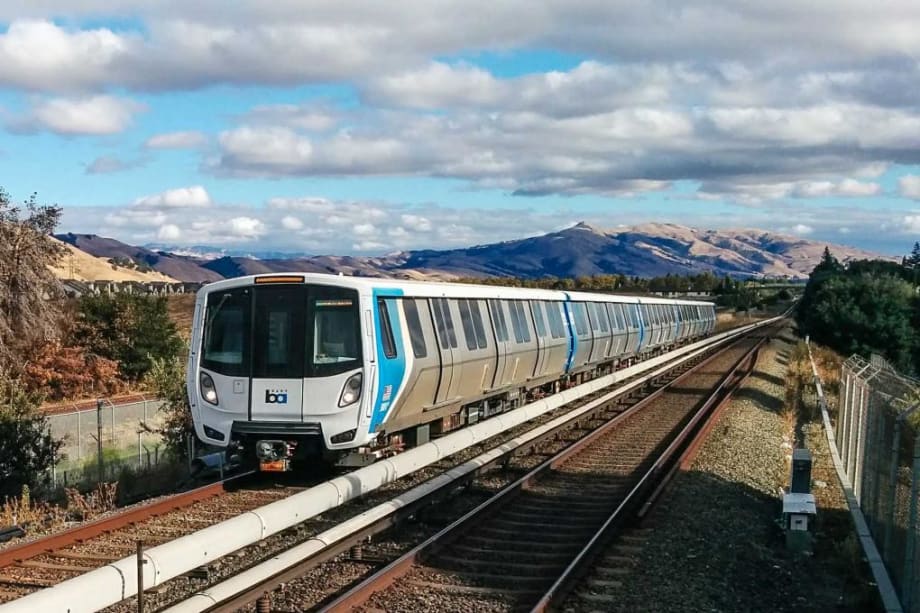
The original delivery schedule called for the delivery of 10 cars a month, but BART worked with Alstom to increase the rate to 16 cars a month, saving more than $100 million.
Photo: BART
San Francisco BART’s Fleet of the Future trains are now not only carrying riders on all regularly scheduled trips, but the project also is coming in hundreds of millions of dollars under budget thanks to tight project management, according to the agency.
Thanks to a revised schedule, and an accelerated monthly delivery rate of new railcars, the project is expected to cost $394 million less than when the contract was awarded in 2012.
“There’s no question the Fleet of the Future project is a success story,” said Project Manager John Garnham. “Riders love the newer, cleaner modern feel of the cars and now we have great budget news for the project.”
The Fleet Future
The original contract awarded for 775 cars forecasted a project cost of $2.584 billion, but an October 2023 financial update lowered the forecast by 15%, to $2.190 billion.
Over the course of 11 years, BART and its manufacturer, Alstom, have increased the pace of making and delivering the cars, resulting in significant savings.
The original delivery schedule called for the delivery of 10 cars a month, but BART worked with Alstom to increase the rate to 16 cars a month, saving more than $100 million.
Increased Savings
Another big cost saver was BART’s decision to have its own experienced staff do more of the engineering work in house.
The project team has included engineers who have successfully completed new railcar projects at other agencies.
The delivery schedule is now faster than ever — 20 cars a month are being delivered to BART — and, as of December 31, 672 of the 775 cars are on BART property.
More Rail
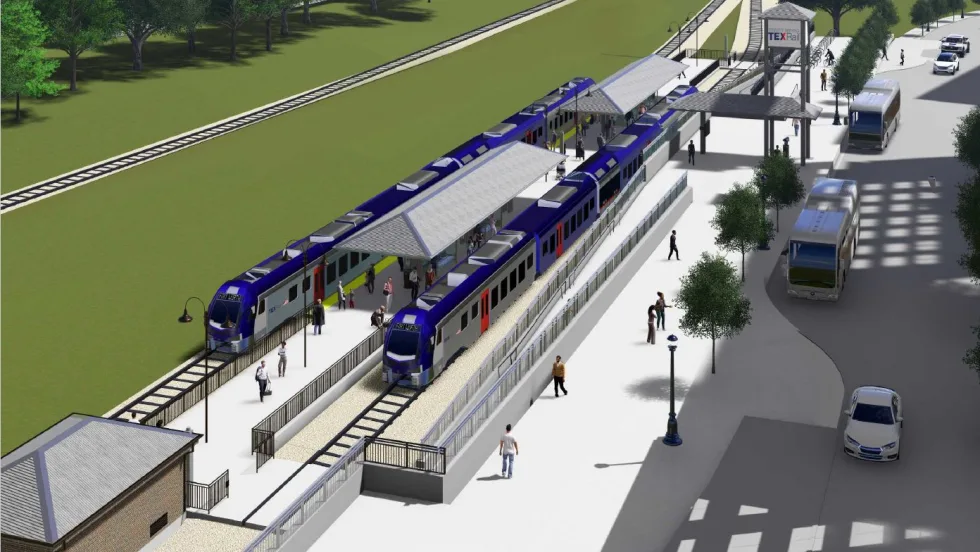
Trinity Metro Breaks Ground on $270M TEXRail Extension
The 2.1-mile extension will connect Fort Worth’s Medical District and Near Southside to downtown, surrounding communities, and Dallas-Fort Worth International Airport.
Read More →
Bringing Austin’s First Light Rail System to Life
Austin Transit Partnership CEO Greg Canally discusses the city's nearly 10-mile light rail project, its collaborative approach to project delivery, the importance of community engagement, and the milestones ahead as construction approaches in 2027.
Read More →
Metra Draft Plan Outlines Costs, Service Improvements for Regional Rail
The Systemwide Network Plan identifies infrastructure needs and potential investments to expand all-day, bidirectional rail service across the Chicago region.
Read More →
Amtrak Completes First Street Tunnel Upgrades, Restores Service
The nine-day construction project included replacing aging track infrastructure and modernizing switch systems near Washington Union Station.
Read More →
FRA Announces $2.3B for Passenger, Freight Rail Projects Nationwide
The CRISI Grant Program funding will support rail infrastructure improvements, safety upgrades, and projects aimed at improving freight and passenger rail service across 45 states and Washington, D.C.
Read More →
Caltrain’s Electrification Drives a New Era of Ridership Growth
The railroad’s shift to electric service has brought more frequent trains, stronger customer satisfaction, and increased ridership, earning it APTA’s Outstanding Public Transportation System award.
Read More →
FTA Advances $164M Broward County Commuter Rail Project
The proposed 10.5-mile commuter rail extension would connect Fort Lauderdale and Aventura, expanding passenger rail options in South Florida.
Read More →
New York MTA Launches Historic $1.9B Signal, Track Modernization Project
Funded in part by congestion pricing revenue, the project will replace nearly century-old signals along the A and C lines in Brooklyn and Queens.
Read More →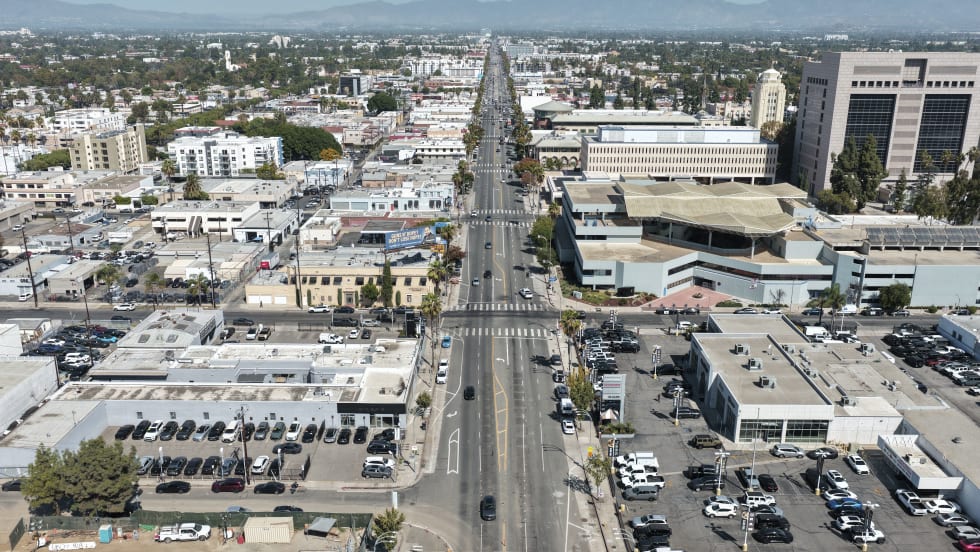
LA Metro Breaks Ground on East San Fernando Valley Light Rail Project
The 6.7-mile line will add 11 stations along Van Nuys Boulevard, expand access to jobs and regional transit connections, and support Metro’s broader efforts to improve mobility as rail ridership grows.
Read More →
CSA Group Releases Climate Resilience Standard for Transit, Passenger Rail
Developed with support from the Standards Council of Canada, CSA D700 guides assessing climate-related risks and planning adaptation measures for transit and passenger rail systems.
Read More →