




Hydrogen Buses: Recognizing the Power of Green Energy
Biden Visits Cummins Facility, Addresses Hydrogen Efforts
President Joe Biden visited Cummins Power Generation Facility in Fridley, Minnesota, to discuss the company's continued efforts to produce clean hydrogen.
April 4, 2023

President Biden's address at the Cummins facility was part of his "Investing in America" tour.
Screen Capture of White House YouTube live stream
2 min to read
President Joe Biden visited Cummins Power Generation Facility in Fridley, Minn., as part of his administration’s “Investing in America” tour, as he addressed Cummins Inc. continued efforts to produce clean hydrogen.
Cummins recently announced that it is investing more than $1 billion across its U.S. engine manufacturing network in Indiana, North Carolina, and New York to produce cleaner engines.
“In just a few weeks, we will begin manufacturing one of the key pieces of technology for green hydrogen production that will help decarbonize our economy and drive the clean energy transition — the electrolyzer,” said Jennifer Rumsey, Cummins president/CEO. “Support from the Biden administration and Congress with legislation like the Bipartisan Infrastructure Law and Inflation Reduction Act are driving the clean energy economy forward in the United States and critical to our decarbonization efforts.”
Biden credited the Inflation Reduction Act as one of the reasons Cummins will be able to manufacture hydrogen electrolyzers in the U.S.
“When Cummins first manufactured hydrogen electrolyzers, they had to make them overseas,” Biden said. “Before the pandemic, the supply chain wasn’t something most Americans spent much time thinking about. Instead of relying on equipment made overseas in places like China, supply chains will again be made in America.”
Cummins’ investment will provide upgrades to support the company’s new fuel-agnostic engine platforms that will run on low-carbon fuels.
Coming Up in Cummins’ Fuel-Agnostic Series
In February, Cummins Inc. announced it is launching the next engine in the fuel-agnostic series, the X10, in North America in 2026.
The engine, named as part of the X engine family, is uniquely positioned to replace both the L9 and the X12 with the versatility to serve both medium and heavy-duty applications. It will also be compliant with U.S. EPA’s 2027 regulations a full year early.
The diesel version will be first available, with other versions for gaseous fuels introduced later.
Cummins’ New Brand to Help Zero-Emissions Future
Cummins Inc. announced the launch of Accelera by Cummins, a new brand for its New Power business unit.
Accelera provides a portfolio of zero-emissions solutions, empowering customers to accelerate their transition to a sustainable future, according to Cummins' news release.
The launch of Accelera is a step forward in Cummins’ efforts to achieve its Destination Zero strategy, focused on evolving Cummins technologies to reach zero emissions across its product portfolio.
Accelera is advancing a range of zero-emissions solutions, including hydrogen fuel cells, batteries, e-axles, traction systems, and electrolyzers, to sustainably power a variety of industries.
Over the past several years, Cummins has invested more than $1.5 billion in research and technology, capital, and acquisitions to build Accelera’s technological capabilities.
More Zero Emissions

Caltrain’s Electrification Drives a New Era of Ridership Growth
The railroad’s shift to electric service has brought more frequent trains, stronger customer satisfaction, and increased ridership, earning it APTA’s Outstanding Public Transportation System award.
Read More →
Building a Flexible Path to Transit Electrification with BAE's John Hroncich
John Hroncich discusses BAE Systems’ modular and scalable approach, lessons learned from decades of real-world operations, and how agencies can identify electrification strategies that fit their fleets.
Read More →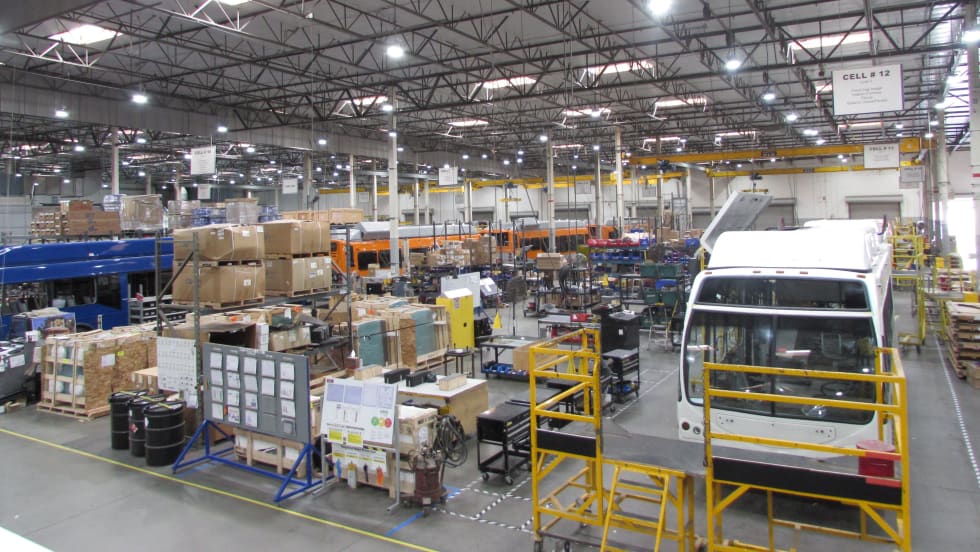
LA Metro Board Awards 220 Battery-Electric Bus Contract to ENC
The contract, which is the largest base award of battery-electric buses by a U.S. transit agency, will be built in Southern California, sustaining good jobs as LA prepares to welcome the world in 2028
Read More →
Public Transit Conference Returning to GFX in 2027, Call for Papers Now Open
The Call for Papers is now open, allowing transit agency professionals and industry experts to help shape the PTC educational program by submitting session ideas for consideration.
Read More →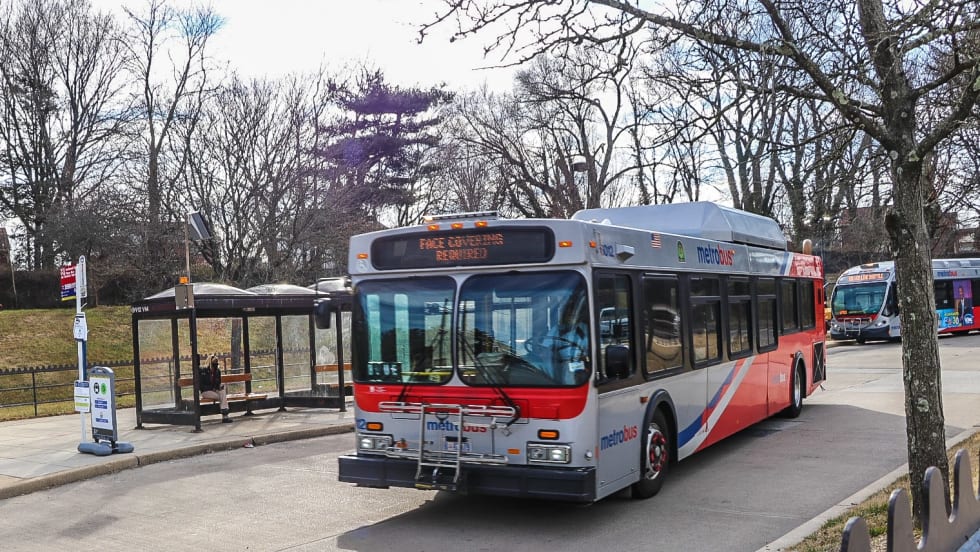
Report: Transit Bus Manufacturing Supports 34,100 Jobs, $5.1B in GDP
The “Buses Mean Business” report examines the transit bus manufacturing industry’s economic footprint, supply chain, and rising demand for vehicle replacements.
Read More →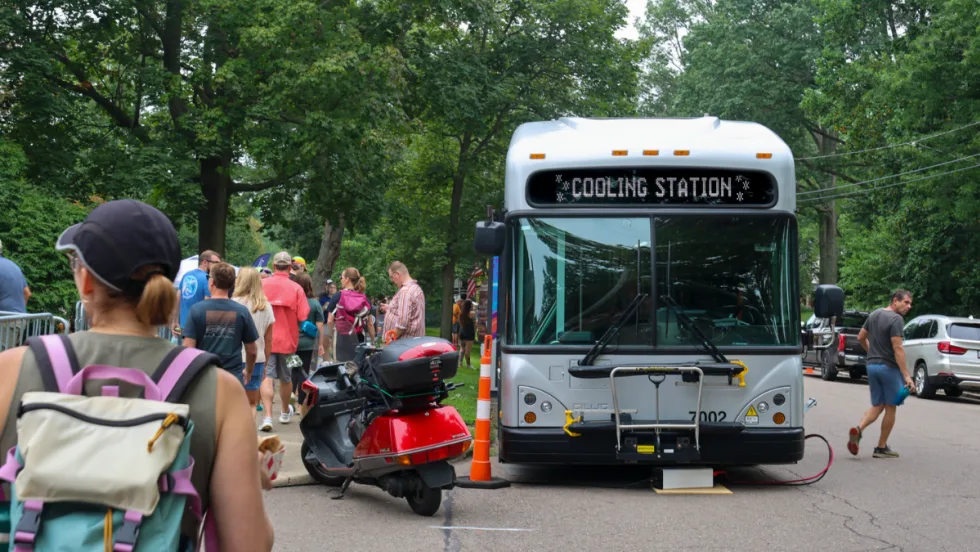
Ohio’s METRO RTA Turns Electric Buses into Mobile Power Sources at PorchROKR
See how three Gillig battery-electric buses powered festival stages while the agency’s new Park & Ride service carried approximately 1,000 attendees, demonstrating another potential use for transit agencies’ electric fleets.
Read More →
CALSTART and Forth Combine to Form Catalyst Mobility
The new name represents a renewed vision for the nonprofit focused on advancing clean, equitable, and affordable transportation solutions that move people and goods.
Read More →
Building a Flexible Path to Transit Electrification
John Hroncich discusses BAE Systems’ modular and scalable approach, lessons learned from decades of real-world operations, and how agencies can identify electrification strategies that fit their fleets.
Read More →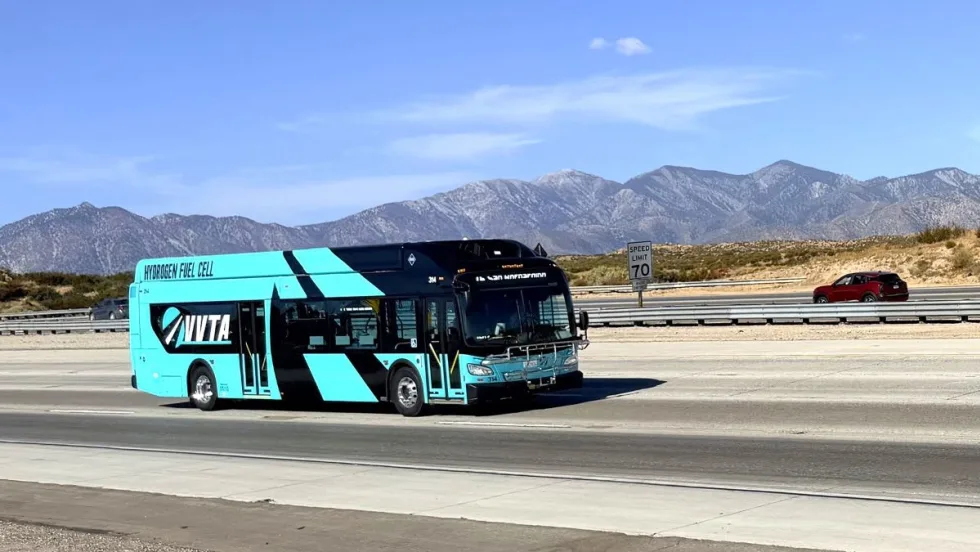
California's VVTA Begins Phased Rollout of Hydrogen Fuel Cell Buses
The agency is introducing 13 zero-emission buses into revenue service while evaluating performance across its urban, rural, and long-distance routes.
Read More →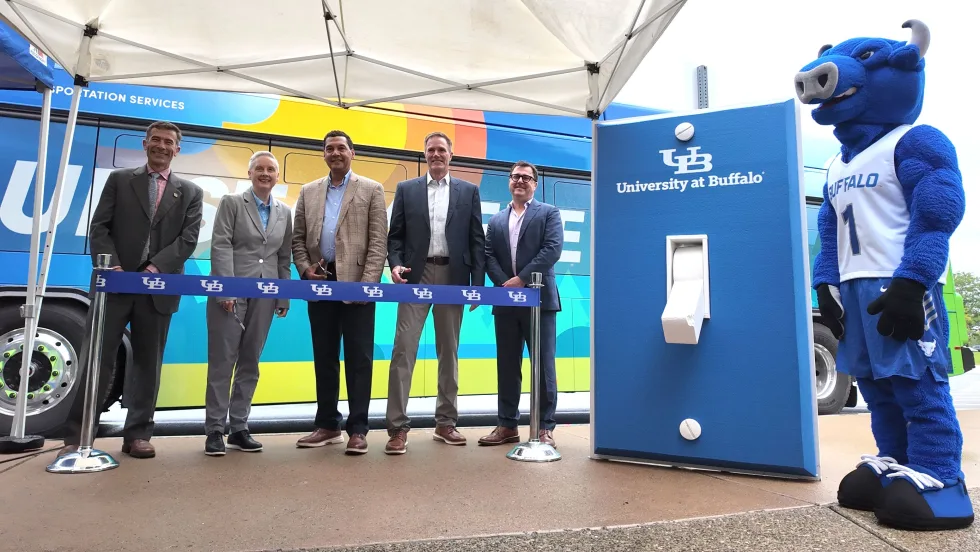
Inside Look: University at Buffalo Puts First 8 Electric Buses Into Stampede Service
UB, transportation solutions provider WeDriveU, and fleet electrification specialist Zenobē marked the deployment in the presence of students, university administrators, and local officials.
Read More →