



Calif. paratransit expands service
Added stops to its Downtown Shuttle Route. Additionally, seniors and ADA riders may now transfer, free of charge, to the fixed-route system.

The City of Pleasanton’s (Calif.) Paratransit Service (PPS) introduced some new program changes designed to facilitate convenience for Pleasanton users.
The program recently added stops for the popular Downtown Shuttle Route (DTR) that includes the Dollar Tree store, Wal-Mart Neighborhood Grocery and the new Gateway Shopping Center.
Also new to the DTR program is a new transfer fee program through a cooperative agreement with the Livermore Amador Valley Transit Authority. It allows seniors and ADA riders to transfer, free of charge, using a two-hour transfer slip to the Wheels fixed-route buses to travel throughout the Tri-Valley. Wheels ADA and senior riders will also be able to transfer, at no cost, onto the DTR shuttle to access stops that may not be met with fixed route services.
The DTR received a grant in the amount of $85,544 through Measure B funds from the Alameda County Transportation Commission that will allow continued service of the route through June 30, 2015. The grant includes funding to provide volunteer travel ambassador training in which trained volunteers assist residents in the use of all modes of public transit. Group trips are also scheduled on a monthly basis as riders venture out throughout the Tri-Valley and learn about a variety of transit options.
The DTR shuttle is a same day, fixed-route bus service that operates on Tuesday, Thursday and Friday from 8:30 a.m. to 3:30 p.m. Registered riders are welcome to use the shuttle for the low fare of $1.50 for all day use. As part of its route, three major senior housing complexes and more than 27 different medical offices and retail locations are included.
The shuttle serves as a bridge between the door-to-door paratransit service and Wheels fixed-route buses, and was designed to expand the travel opportunities for senior residents.
The PPS service logged more than 2,700 rides in the past year.
More Paratransit
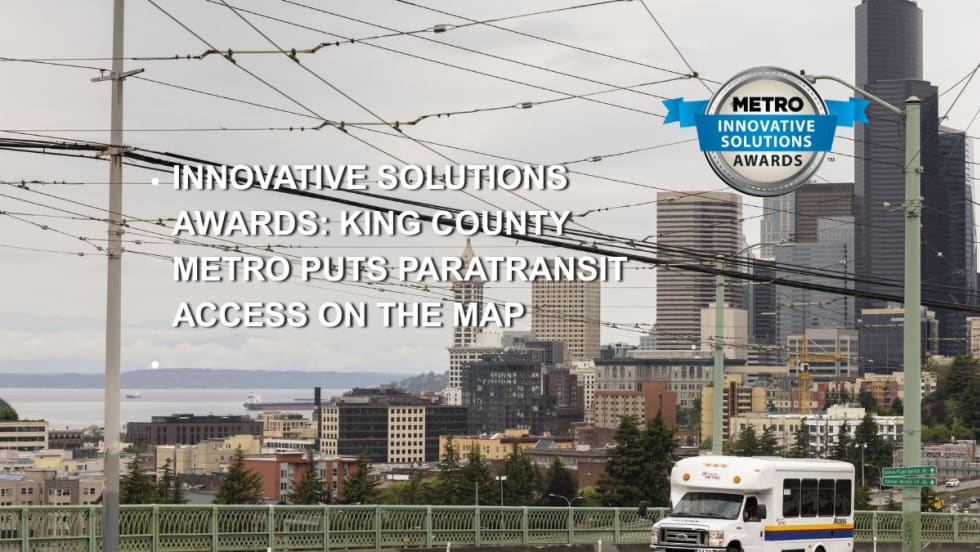
King County Metro Makes ADA Paratransit Easier to Navigate
METRO's Innovative Solutions Award winner replaces complex service-area descriptions with an accessible, interactive map that puts paratransit information directly in customers’ hands.
Read More →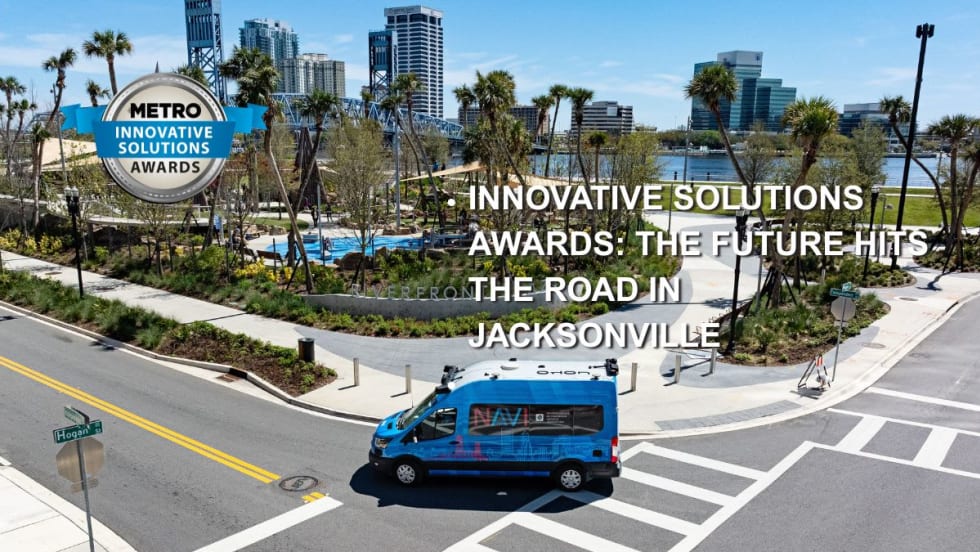
Jacksonville’s NAVI Project Charts a New Course for Autonomous Public Transportation
Through its NAVI program, JTA is showing how autonomous vehicles, intelligent infrastructure, and coordinated operations can work together to deliver everyday public transportation.
Read More →
Driving Smarter Paratransit
John Hanlon shares how AlphaRoute is leveraging AI-powered technology to help paratransit providers optimize operations, support frontline staff, and enhance the rider experience.
Read More →
METRO Magazine Announces 2026 Innovative Solutions Awards Winners
Projects Recognized for Advancing Mobility Through Technology, Accessibility, Workforce Innovation, and Operational Excellence
Read More →
Biz Briefs: STV teams with Amtrak, Motorcoach Operators Boost Fleet and Land Contracts, and More
From manufacturers and suppliers to transit agencies and motorcoach operators, these updates offer a snapshot of the projects, partnerships and business moves driving the industry forward.
Read More →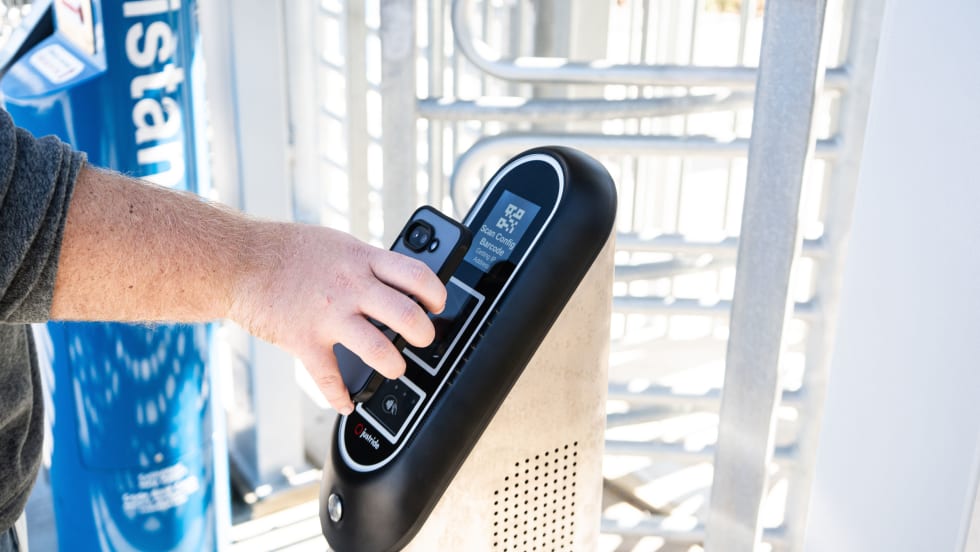
Biz Briefs: Masabi Teams with St. Louis Metro and More
In METRO's latest installment, we take a look at recent news from Transdev, Hitachi, and more partnerships making headlines across the transportation sector.
Read More →
New York MTA Leverages Zoning Program to Advance Station Accessibility
Accessibility enhancements at Nevins St Station will be financed through a development agreement tied to the MTA's Zoning for Accessibility initiative.
Read More →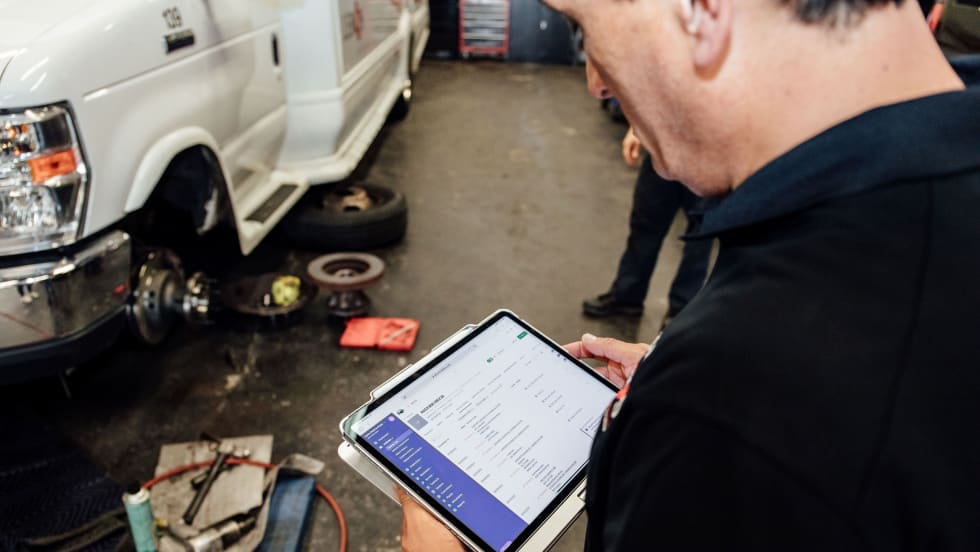
Reinventing Fleet Maintenance with Real-time Visibility and AI
Transit leaders need to know what needs fixing, where to look, who is responsible, when work is completed, and what it costs without having to chase information across disconnected systems.
Read More →
SamTrans Sets Priorities for Potential Connect Bay Area Revenue
The board-approved framework allocates future funding to maintaining service, rider improvements, equity initiatives, and infrastructure repairs.
Read More →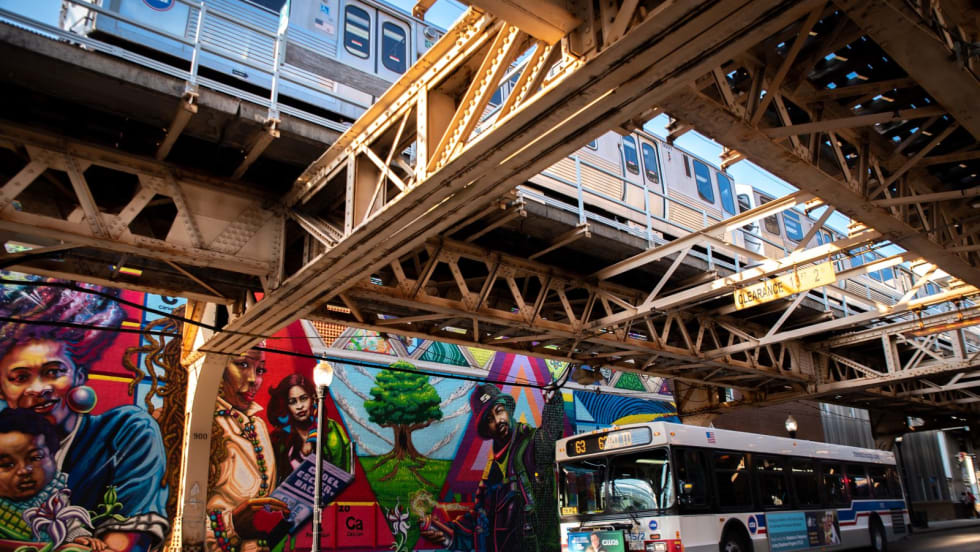
Chicago's NITA Act Moves Into Next Phase as Service Improvements Begin
Rider-focused improvements will begin rolling out across the system immediately as CTA, Metra, and Pace increase service this summer in the six-county region.
Read More →