



Calif. purchase incentives now available for New Flyer electric buses
The Hybrid and Zero-Emission Truck and Bus Voucher Incentive Project was created by the California Air Resources Board to speed the early market introduction of clean, low-carbon hybrid and electric vehicles and is administered and implemented through a partnership with CALSTART.

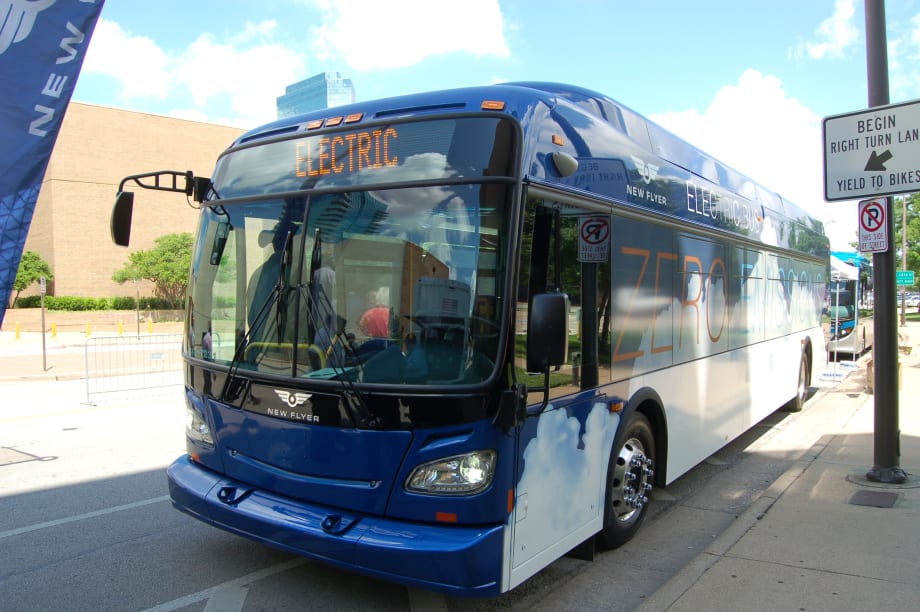

The HVIP program was created by the California Air Resources Board to speed the early market introduction of clean, low-carbon hybrid and electric vehicles and is administered and implemented through a partnership with CALSTART.
CALSTART is a member-supported organization of more than 140 firms, fleets and agencies worldwide dedicated to supporting a growing high-tech, clean transportation industry that cleans the air, creates jobs, cuts imported oil and reduces global warming emissions.
The base HVIP voucher amount is $95,000 per bus. Additional rebate incentives are available for bus fleets operating in disadvantaged communities ($15,000), purchase of rapid chargers ($20,000), extended warranties ($2,000) and an additional $10,000 per bus applied to the first three purchases of electric buses.
With more than 5,000 Xcelsior buses delivered or on order, New Flyer has demonstrated industry leading design and reliability that provides passengers and drivers with safe, quiet and dependable public transportation. New Flyer is the only transit bus manufacturer in North America today that can offer propulsion systems ranging from: clean diesel, hybrid-electric, electric-trolley, natural gas, fuel-cell and now battery-electric all on the same bus platform.
The Xcelsior XE35 and XE40 battery-electric buses feature:
A New Flyer integrated energy storage system ranging from an approximate 100 to 300 kWh of on-board power.
A Siemens electric drive system.
The ability to receive a partial recharge using a regenerative braking system, which is ideally suited for the typical start-and-stop duty cycle of a transit bus.
Proven electric subsystems and accessories currently available on the Xcelsior® hybrids.
Depot charging capability and en-route rapid charging capability.
With the absence of a traditional engine, customers will notice a significantly quieter ride.
Zero-Emissions, and a savings of approximately 100 to 160 tons of greenhouse gas per year
To ensure consistent and dependable support of industry-leading transit buses in California, New Flyer operates an aftermarket parts facility in Fresno, Calif. and a completion and service facility in Ontario, Calif.
More Bus

New York MTA Plans Largest Bus Fleet Upgrade in More Than a Decade
The agency is seeking manufacturers for 650 new CNG buses to replace aging vehicles, improve reliability, and advance its broader fleet modernization strategy.
Read More →
Building a Flexible Path to Transit Electrification
John Hroncich discusses BAE Systems’ modular and scalable approach, lessons learned from decades of real-world operations, and how agencies can identify electrification strategies that fit their fleets.
Read More →
Bus Tech Talk: Keeping Transit Technicians Ahead of the Technology Curve
LA Metro’s Obed Mejia discusses technician training, evolving maintenance technology, fleet replacement, and strategies for getting the most out of today’s transit fleets.
Read More →
Biz Briefs: RIPTA Unveils New Frontrunners, Clevland RTA Adds New Siemens, and More
In METRO's latest installment, we take a look at recent news from Siemens, Prevost, Dodge, and more partnerships making headlines across the transportation sector.
Read More →
People Movement: Holly Arnold Joins Transdev and More
In this edition, we also cover recent appointments and announcements at Pace, CamTran, MCI, and more, showcasing the individuals helping to shape the future of transportation.
Read More →
The High Cost of Transit Buses: Industry Leaders Look to Procurement Reform
Transit leaders and policymakers examine how standardized bus designs, streamlined procurement, and predictable funding could help agencies stretch budgets and deliver better service.
Read More →
The Business Voice Behind Public Transportation
As chair of APTA’s Business Members Board of Governors, Ray Melleady explains how more than 850 business members are partnering with transit agencies to advance funding, innovation, and industry-wide collaboration.
Read More →
From Surviving to Thriving: Building Stronger Transportation Organizations
Bus Business Consultants founder Brian Dickson shares lessons on leadership, organizational health, and creating options for long-term success in a changing transportation industry.
Read More →
Finding the ‘Happy Medium’: Optimizing Maintenance Without Sacrificing Reliability
The key to maintenance optimization isn’t doing less work—it’s doing the right work at the right time on the right assets.
Read More →
LA Metro, City of West Hollywood, and Partners Advance Smarter Bus Lane Enforcement
The award-winning partnership combines AI-powered detection with human oversight to improve bus reliability, accessibility, and enforcement efficiency.
Read More →