



Calif.’s SamTrans to add 25 Gillig hybrid buses
The energy-efficient buses, the first in the SamTrans fleet, are expected to be in service throughout San Mateo County by the end of the year. The low-floor buses use long-life, non-hazardous, maintenance-free batteries to capture and store braking energy and advanced solid state controllers to manage and blend power sources.

The SamTrans board of directors approved a contract to purchase 25 diesel electric hybrid buses. The energy-efficient buses, the first in the SamTrans fleet, are expected to be in service throughout San Mateo County by the end of the year.
The low-floor buses use long-life, non-hazardous, maintenance-free batteries to capture and store braking energy and advanced solid state controllers to manage and blend power sources. For the community and the customers this means reduced emissions and smoother, quieter buses. For the district it means using less fuel, which translates into improved operating costs.
The purchase is part of a $32.2 million contract for a total of 62 buses. The remaining buses will be powered by modern diesel technology. The buses will replace 1998 buses, the oldest vehicles in the SamTrans fleet. The new buses are expected to save $3 million in fuel costs over the next 12 years.
Vehicle modernization is part of an ongoing program to reduce emissions throughout the SamTrans fleet and meet the newest clean air standards issued by the federal Environmental Protection Agency.
The diesel electric hybrid buses will produce 90% fewer NOx emissions than the 1998 buses they are replacing. The fuel technology used in the new diesel buses has engine emission certification levels that are the same as those found in buses powered by compressed natural gas.
SamTrans received a $4.9 million grant under the Federal Transit Administration’s Bus and Bus Facilities Initiative to purchase the diesel electric hybrid buses. All the buses will be manufactured by Gillig of Hayward, calif., which means the federal funds will provide jobs for San Francisco Bay Area workers.
The new 40-foot buses will be used throughout SamTrans service area and can carry up to 39 seated passengers with up to another 24 riders standing. Like all SamTrans buses, the new buses have priority seating for seniors and people with disabilities and exterior bike racks that can accommodate up to two bikes.
The buses include upgrades that improve safety and comfort for riders. The wheelchair ramp has a more gradual incline, which makes it easier for riders to board the bus. The buses even offer smart technology features, such as interior, energy-efficient LED lighting, equipped with sensors that measure the ambient light. On bright, sunny days, the lights turn down and when it is dark outside, the lights are brighter. The rear door is also modernized to open automatically when a passenger stands on the exit stairs, eliminating the need for a push bar on the door.
To help keep costs low, SamTrans formed a buying consortium with several other transit agencies to purchase the buses. The high volume order allowed the District to negotiate better rates. SamTrans purchased 132 buses in 2008, with an option to buy additional buses in the future.
The buses are part of a fleet of 313 SamTrans vehicles that provide transportation for more than 40,000 people every weekday. Most SamTrans riders are going to school or work and 64% do not have access to a car.
More Bus
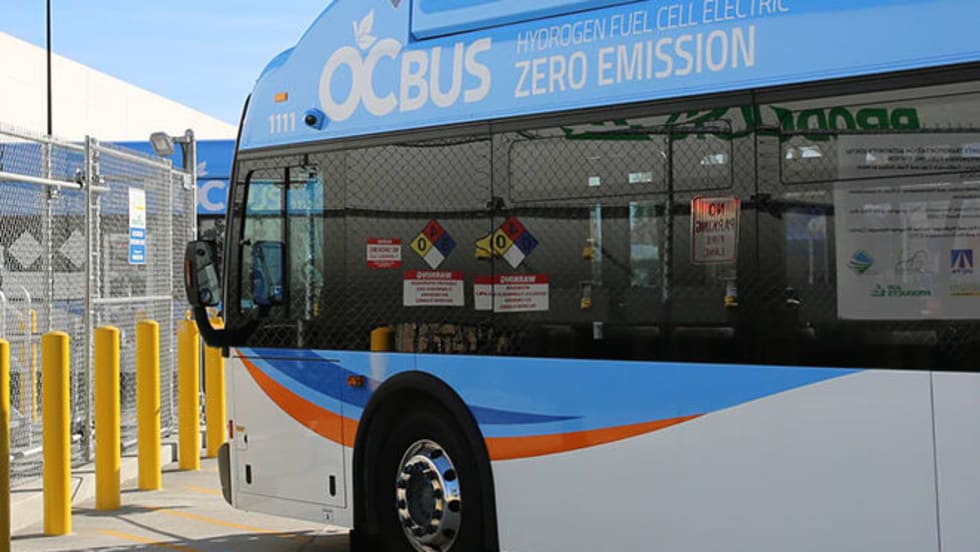
Biz Briefs: OCTA Taps Clean Energy for Hydrogen Station, Stadler to Supply Via Rail Vehicles, and More
From manufacturers and suppliers to transit agencies and motorcoach operators, these updates offer a snapshot of the projects, partnerships and business moves driving the industry forward.
Read More →
METRO Magazine Announces 2026 Innovative Solutions Awards Winners
Projects Recognized for Advancing Mobility Through Technology, Accessibility, Workforce Innovation, and Operational Excellence
Read More →
Biz Briefs: STV teams with Amtrak, Motorcoach Operators Boost Fleet and Land Contracts, and More
From manufacturers and suppliers to transit agencies and motorcoach operators, these updates offer a snapshot of the projects, partnerships and business moves driving the industry forward.
Read More →
LA Metro Marks Banner Year, Sets Ambitious Goals for New Fiscal Year
Incoming LA Metro Board Chair and Los Angeles Mayor Karen Bass joined outgoing Board Chair Fernando Dutra and LA Metro CEO Stephanie Wiggins to review accomplishments from fiscal year 2026, which included the opening of new rail extensions, advancement of major transit projects, expanded safety programs, and new rider amenities.
Read More →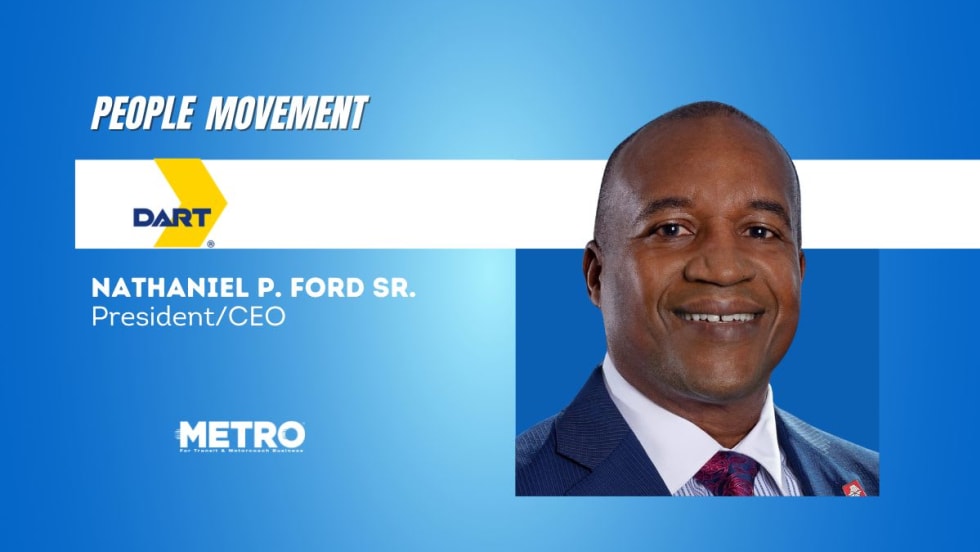
DART Taps Nathaniel P. Ford Sr. as Next President/CEO
Since 2012, Ford has served as the CEO of the Jacksonville Transportation Authority
Read More →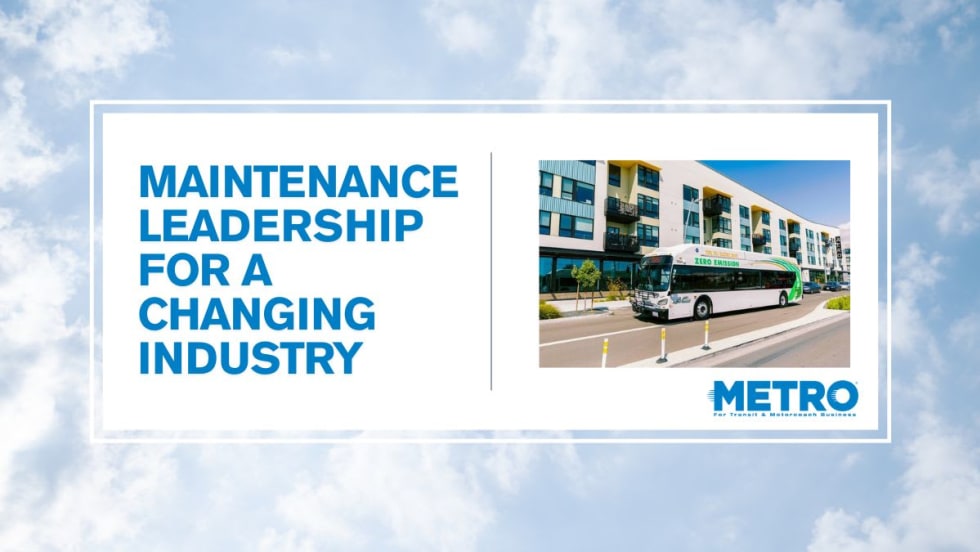
AC Transit’s Cecil Blandon on Building the Next Generation of Transit Maintenance Leaders
The agency’s maintenance chief discusses leadership, workforce development, zero-emission technology, and preparing technicians for the future of public transportation.
Read More →
Building the Next Generation of Transit Technology
In this edition of METROspectives, Luminator CEO Magnus Friberg discusses the company's transformation, the growing role of AI and software, and what's next for transit technology.
Read More →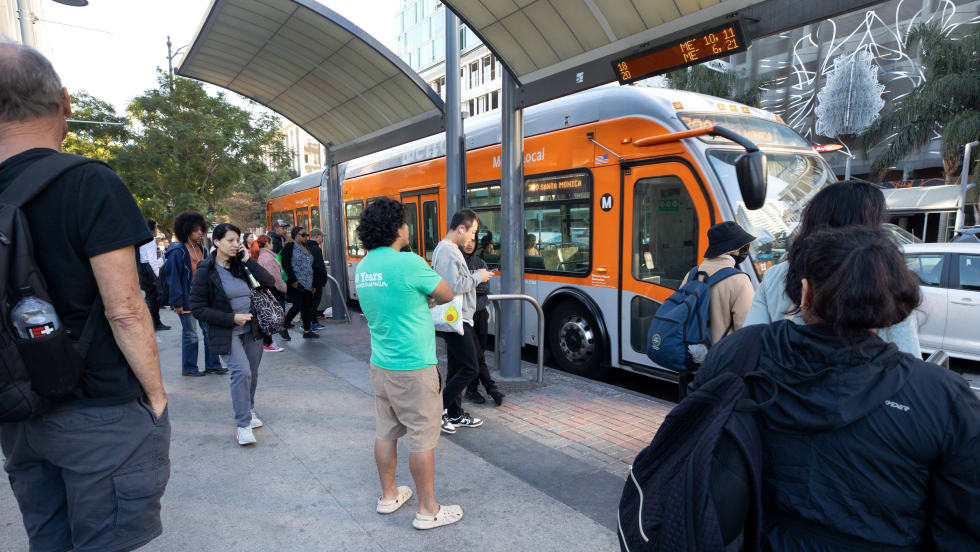
June LA Metro Ridership Surges 2 Million Year Over Year
Total June ridership increased for both weekdays and weekends. Weekday ridership was 953,820, which grew 8.4% from June 2025; Saturdays increased nearly 13% year-over-year to 708,826; and Sundays increased 7.7% to 611,534 from June 2025, according to LA Metro.
Read More →
Washington's Pierce Transit Board Sends Transit Funding Measure to November Ballot
With the adoption of Resolution 2026-006, the measure moves to the Pierce County Auditor, giving voters in the Pierce Transit service area the decision on whether to fund an expansion of local transit service within the agency’s service area.
Read More →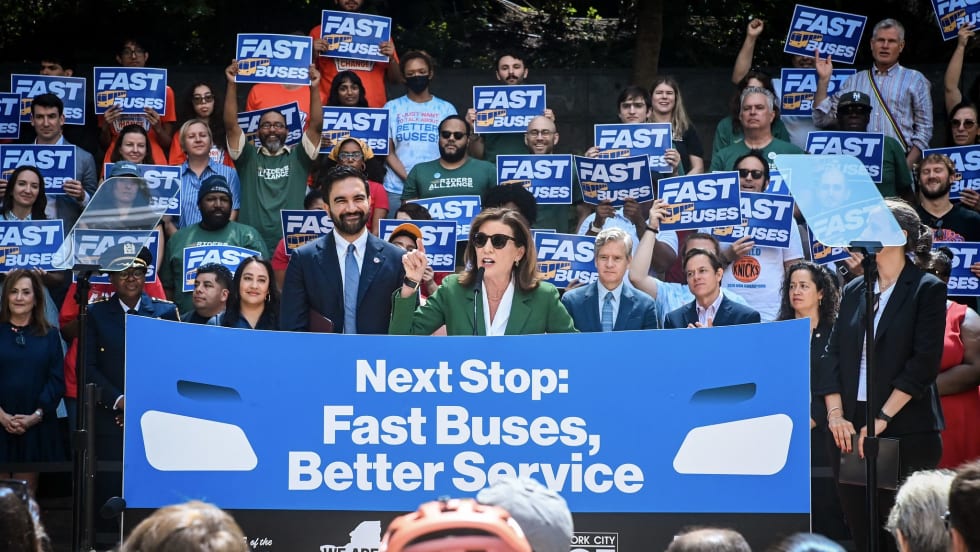
New York Unveils Sweeping Plan to Modernize City Bus Service
Next Stop: Fast Buses, Better Service identifies 50 priority bus corridors for improvements across the five boroughs and launches the City’s next generation of rapid bus service along five key routes.
Read More →