



Calif.’s Valley Link Enters Strategic Collaboration with Linde Engineering
The collaboration involves the preparation of a project development agreement to further define the configuration of a hydrogen production facility, determine the implementation strategy, and establish the partnership structure with Linde.

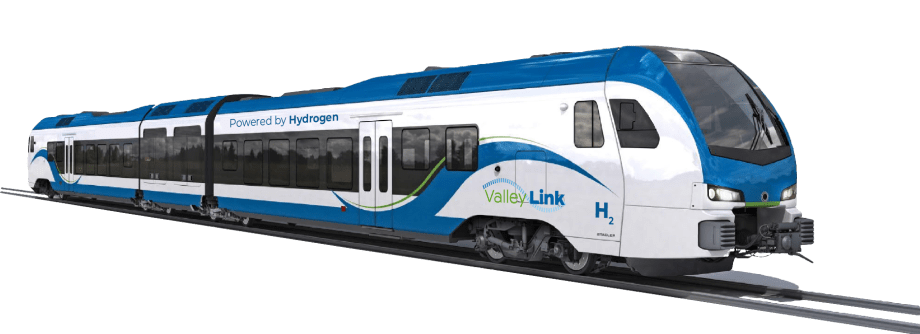
The Authority is leading the implementation of the Valley Link rail project as a model of environmental and economic sustainability.
Rendering of vehicle via Valley Link
The Livermore, Calif.-based Tri-Valley – San Joaquin Valley Regional Rail Authority (Authority) board approved entering into a strategic collaboration with Linde Engineering North America (Linde) for the advancement of the proposed Valley Link green hydrogen production facility.
The collaboration involves the preparation of a project development agreement to further define the configuration of a hydrogen production facility, determine the implementation strategy, and establish the partnership structure with Linde. The action is critical to support the Authority’s vision of sustainability for the Valley Link rail project — to be the first passenger rail system in California to run on self-produced, green hydrogen, with a hydrogen fuel production facility able to support the clean energy goals of other transit and heavy truck operators.
The Authority’s action on the strategic collaboration with Linde is based on the outcome of a request for proposals process through which the Authority solicited proposals from qualified firms to design, build, finance, operate, and maintain a hydrogen production and storage facility. The request for proposals specifically identified the Authority’s pursuit of the project as a public-private partnership to leverage the expertise from the private sector hydrogen production industry while also leveraging the value and geography of 100 acres of property available for the project.
The 26-mile Valley Link rail project between the Dublin/Pleasanton Bay Area Rapid Transit (BART) station in Alameda County and the Mountain House station in San Joaquin County, will connect tens of thousands of Bay Area workers now commuting daily from their homes in communities in the Northern San Joaquin Valley — some of the state’s most disadvantaged communities located in one of the most polluted air basins in the U.S.
The Authority is leading the implementation of the Valley Link rail project as a model of environmental and economic sustainability — one that could operate on its own created renewable energy, support transit-oriented land use development around station areas, and reduce ongoing operations costs, while maximizing air quality, equity, health, and workforce benefits.
To date, the state has invested in several hydrogen vehicle technologies and several transit agencies in California are producing their own hydrogen fuel. The sustainability vision of the Valley Link rail project seeks to significantly expand on this concept including the opportunity to manage risk and maximize the outcomes of green hydrogen production through public-private partnership with expertise from the hydrogen production industry.
While the feasibility study identifies the sizing of the production facility to meet Valley Link’s initial operating segment fuel needs, the Authority recognizes that there will be the opportunity to scale up a facility to ensure that both public and private investment in a green hydrogen hub can expand the availability, and reduce the cost, of green hydrogen to other users.
More Zero Emissions

LA Metro Board Awards 220 Battery-Electric Bus Contract to ENC
The contract, which is the largest base award of battery-electric buses by a U.S. transit agency, will be built in Southern California, sustaining good jobs as LA prepares to welcome the world in 2028
Read More →
Public Transit Conference Returning to GFX in 2027, Call for Papers Now Open
The Call for Papers is now open, allowing transit agency professionals and industry experts to help shape the PTC educational program by submitting session ideas for consideration.
Read More →
Report: Transit Bus Manufacturing Supports 34,100 Jobs, $5.1B in GDP
The “Buses Mean Business” report examines the transit bus manufacturing industry’s economic footprint, supply chain, and rising demand for vehicle replacements.
Read More →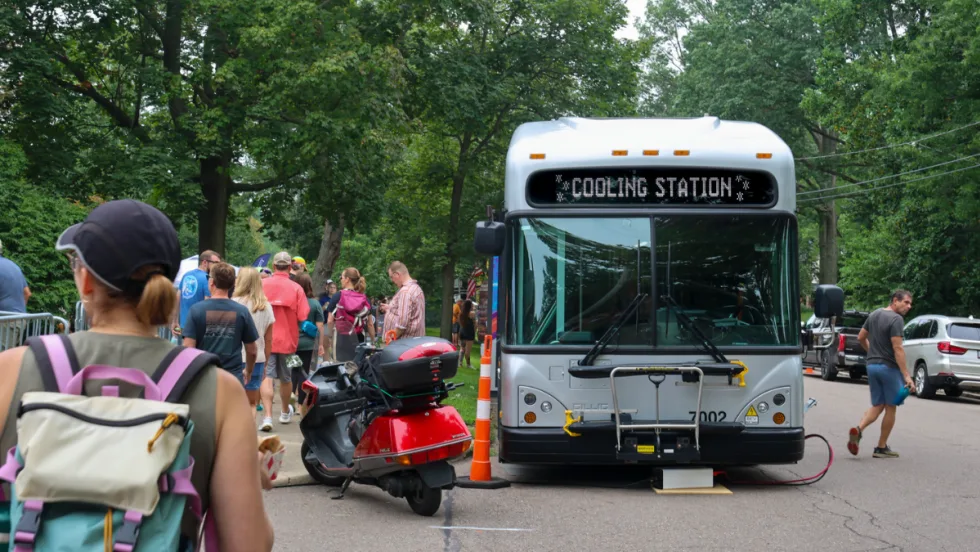
Ohio’s METRO RTA Turns Electric Buses into Mobile Power Sources at PorchROKR
See how three Gillig battery-electric buses powered festival stages while the agency’s new Park & Ride service carried approximately 1,000 attendees, demonstrating another potential use for transit agencies’ electric fleets.
Read More →
CALSTART and Forth Combine to Form Catalyst Mobility
The new name represents a renewed vision for the nonprofit focused on advancing clean, equitable, and affordable transportation solutions that move people and goods.
Read More →
Building a Flexible Path to Transit Electrification
John Hroncich discusses BAE Systems’ modular and scalable approach, lessons learned from decades of real-world operations, and how agencies can identify electrification strategies that fit their fleets.
Read More →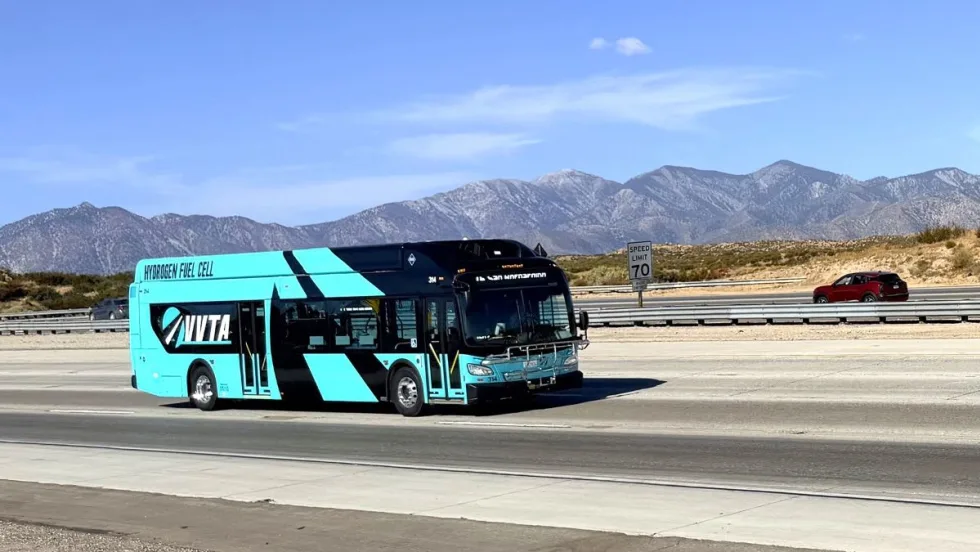
California's VVTA Begins Phased Rollout of Hydrogen Fuel Cell Buses
The agency is introducing 13 zero-emission buses into revenue service while evaluating performance across its urban, rural, and long-distance routes.
Read More →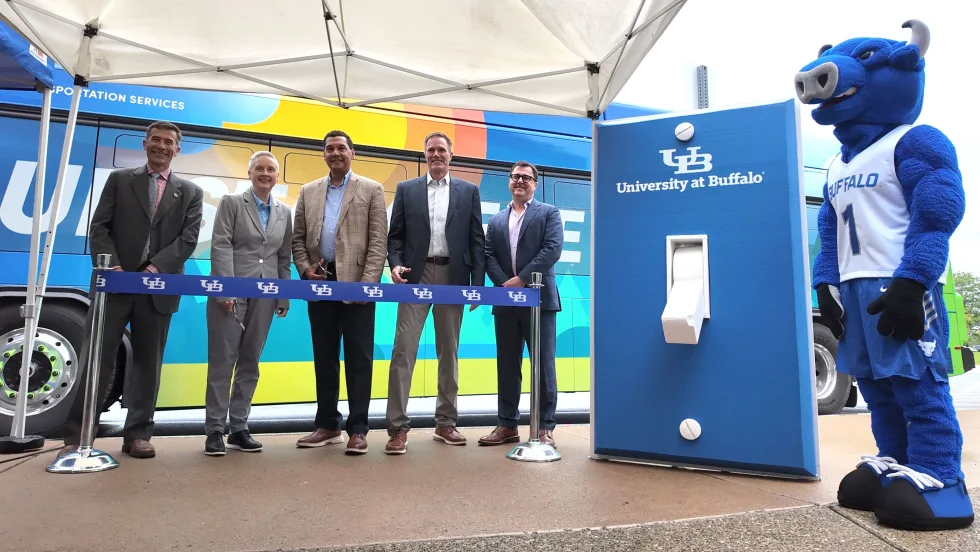
Inside Look: University at Buffalo Puts First 8 Electric Buses Into Stampede Service
UB, transportation solutions provider WeDriveU, and fleet electrification specialist Zenobē marked the deployment in the presence of students, university administrators, and local officials.
Read More →
Biz Briefs: OCTA Taps Clean Energy for Hydrogen Station, Stadler to Supply Via Rail Vehicles, and More
From manufacturers and suppliers to transit agencies and motorcoach operators, these updates offer a snapshot of the projects, partnerships and business moves driving the industry forward.
Read More →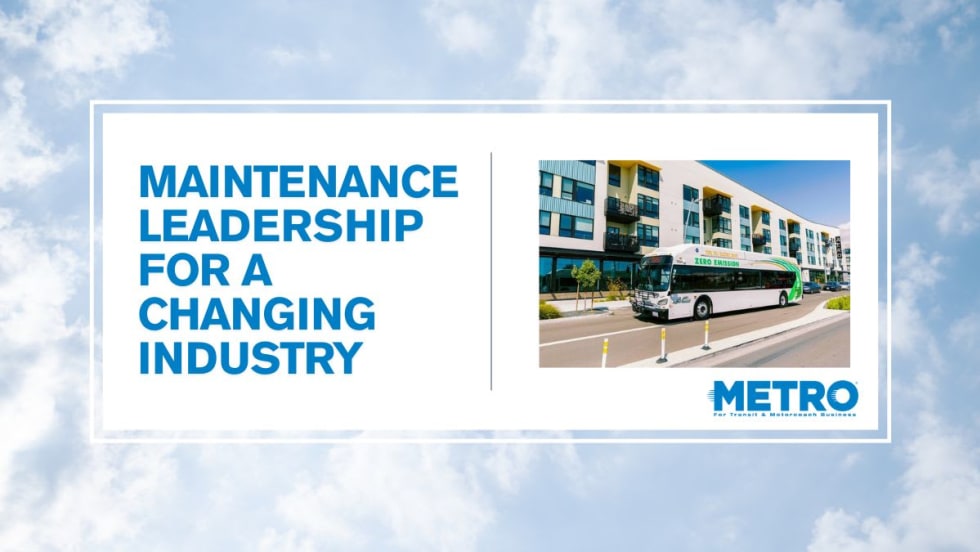
AC Transit’s Cecil Blandon on Building the Next Generation of Transit Maintenance Leaders
The agency’s maintenance chief discusses leadership, workforce development, zero-emission technology, and preparing technicians for the future of public transportation.
Read More →