




In the Toolbox: CALSTART Launches Zero-Emission Technology Tool
CALSTART Releases Updated ZEB Inventory Report
The report provides an updated index of adopted ZEBs that have been funded, ordered, and/or delivered within the U.S. and Canada according to data collected through September 2022.
January 31, 2023
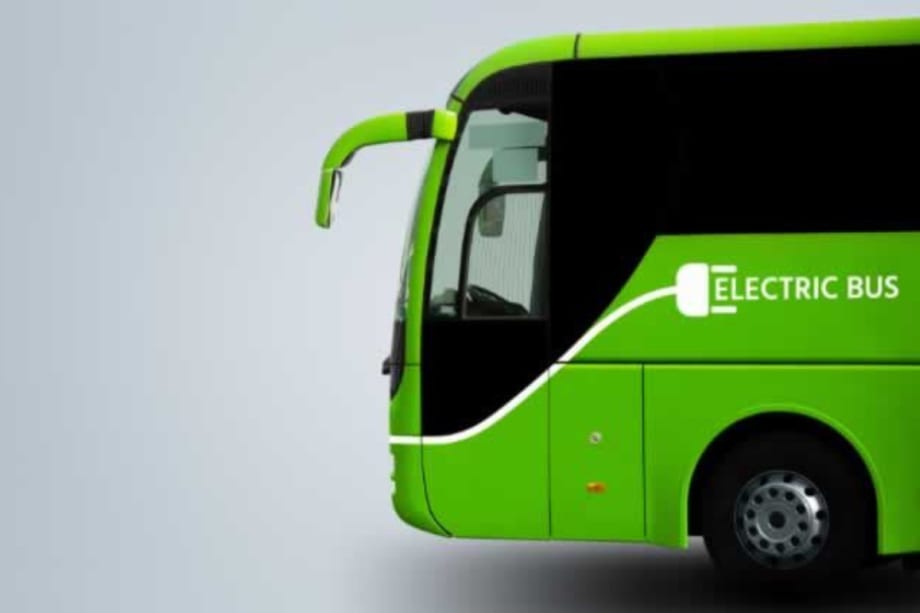
Tracking the data shows the countries’ progress towards 100% zero-emission vehicle adoption.
Photo: CALSTART
4 min to read
CALSTART announced the release of this year’s "Zeroing in on ZEBs," an annual report funded by the Federal Transit Administration (FTA) and the California Air Resources Board’s (CARB’s) Hybrid and Zero-Emission Truck and Bus Voucher Incentive Project (HVIP).
The report provides an updated index of adopted ZEBs that have been funded, ordered, and/or delivered within the U.S. and Canada according to data collected through September 2022. Tracking the data shows the countries’ progress towards 100% zero-emission vehicle adoption, according to CALSTART's news release.
Full-size ZEBs are defined as Class 7 or 8 transit buses that are 30 or more feet in length.
In the U.S., the total count of full-size battery-electric and fuel-cell electric transit buses has grown to 5,480 — a 66% increase since 2021 from 3,297 total ZEBs. California, a state where all new sales of transit buses must be zero-emission by 2030, in compliance with the Innovative Clean Transit (ICT) regulation, has the most ZEBs in the country with 1,977 vehicles.
The West Coast overall, including California, Oregon, and Washington, accounts for 41% of ZEBs nationwide.
New York follows behind California with 489 total buses.
Arizona and Massachusetts saw the largest year-over-year increases at 280% and 271%, respectively, according to the report.
Small ZEBs are defined as transit buses that are Class 3-6 and shorter than 30 feet in length.
As of September 2022, 876 small ZEBs have been adopted in the U.S. by public transit agencies, private fleets, and airports. The total count of small ZEBs grew by 261 from 2021 — an overall increase of 42% year-over-year, though the growth rate is 31% less than the rate recorded in 2021.
There are now 100 public transit agencies with small ZEBs in the U.S. — of the 100, 18 public agencies purchased their first small ZEBs in 2022. Private companies purchased 14 small ZEBs in 2022.
Airports increased the total number of small ZEBs from 114 in 2021 to 142 in 2022, a 25% growth rate. The increase of full-size airport ZEBs has also increased to 151 as of September 2022, all of which are battery-electric operational vehicles.
Battery-electric buses (BEBs) remain the most common form of ZEB on the road compared to fuel-cell electric buses (FCEBs); but while still greatly outnumbered by BEBs, FCEBs continue to gain traction, with a 64% increase in adoption seen since 2021.
While California also leads the country in the number of FCEBs adopted, there are now 14 states with transit agencies that have adopted FCEBs, including Arizona, Delaware, Maryland, and New York. The number of states with 10 or more FCEBs doubled, growing from two states in 2021 to four in 2022.
Canada has also experienced year-to-year growth in full-size and small ZEB adoptions. As of September 2022, the number of ZEBs across the country has grown to 859, including 219 new full-size buses added this year. Of this, 849 are BEBs and 10 are FCEBs.
Canada’s most populous providence, Ontario, continues to lead the nation with 529 ZEBs, which is five times higher than Manitoba’s 104 ZEBs. The adoption of ZEBs grew by 34% from 2021 to 22 vehicles, showing progress toward achieving net-zero emissions goals by 2050.
Transit agencies in Montreal and British Columbia have committed to having 100% zero-emission fleets by 2040 as well, and the Canadian government pledged to deploy 5,000 zero-emission transit and school buses on the road by 2025 as part of the Zero Emission Transit Fund.
“We are delighted to release another Zeroing in on ZEBs report with the latest inventory data on zero-emission transit buses across the United States and Canada," said Jared Schnader, CALSTART bus programs director. "We couldn’t have done it without the support of our dedicated staff and partners. We would like to thank the Canadian Urban Transit Research and Innovation Consortium as well as the FTA and CARB’s HVIP for working with CALSTART. We are excited to share updates of this report for years to come."
CALSTART released the inaugural Zeroing in on ZEBs report in 2018 and continues to update the data in subsequent editions.
More Zero Emissions
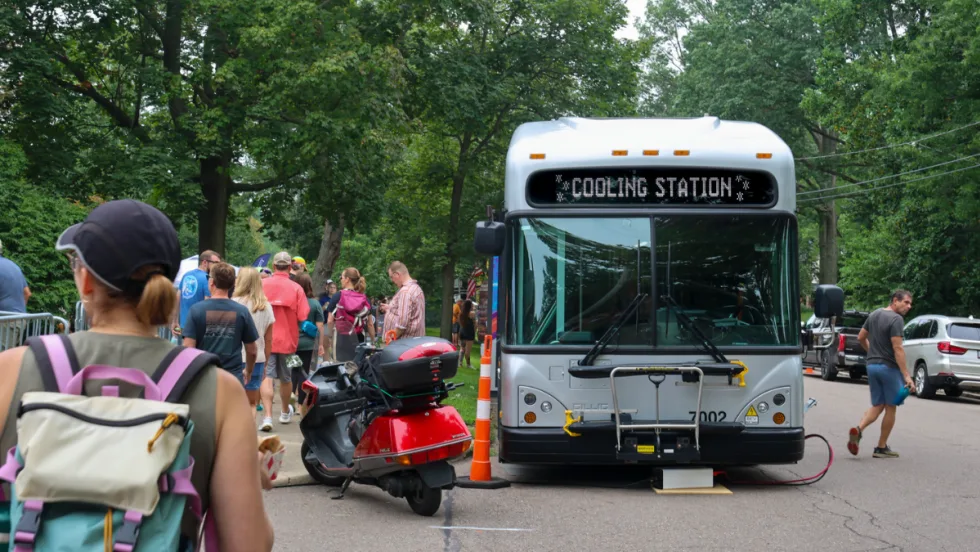
Ohio’s METRO RTA Turns Electric Buses into Mobile Power Sources at PorchROKR
See how three Gillig battery-electric buses powered festival stages while the agency’s new Park & Ride service carried approximately 1,000 attendees, demonstrating another potential use for transit agencies’ electric fleets.
Read More →
CALSTART and Forth Combine to Form Catalyst Mobility
The new name represents a renewed vision for the nonprofit focused on advancing clean, equitable, and affordable transportation solutions that move people and goods.
Read More →
Building a Flexible Path to Transit Electrification
John Hroncich discusses BAE Systems’ modular and scalable approach, lessons learned from decades of real-world operations, and how agencies can identify electrification strategies that fit their fleets.
Read More →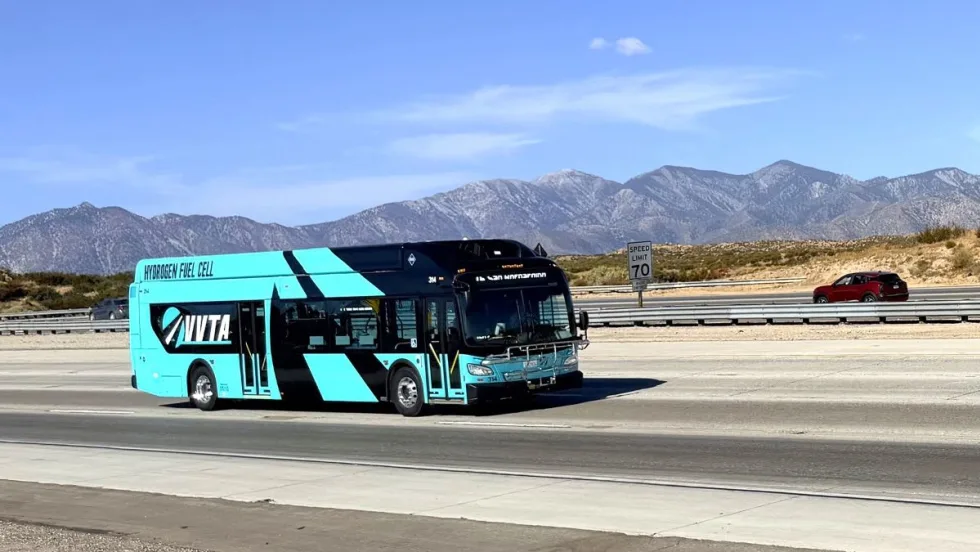
California's VVTA Begins Phased Rollout of Hydrogen Fuel Cell Buses
The agency is introducing 13 zero-emission buses into revenue service while evaluating performance across its urban, rural, and long-distance routes.
Read More →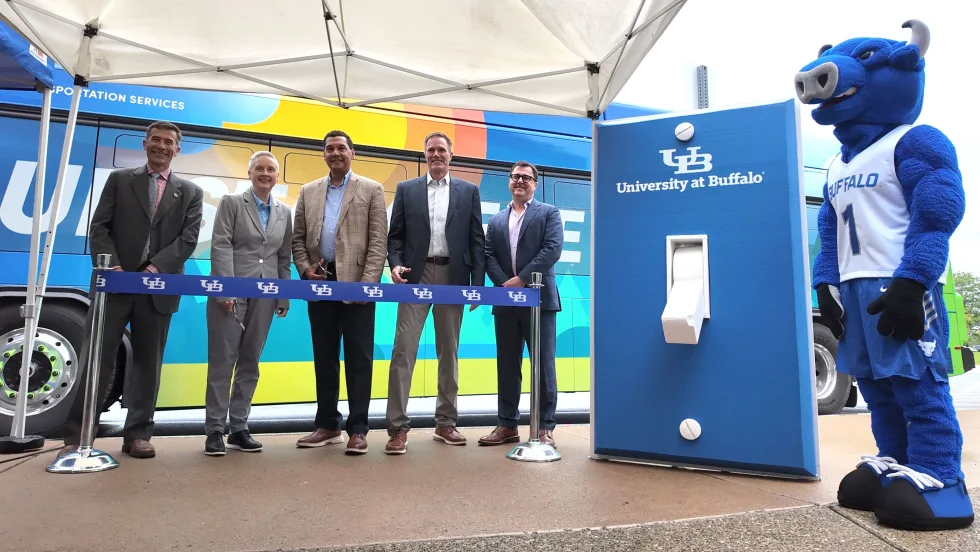
Inside Look: University at Buffalo Puts First 8 Electric Buses Into Stampede Service
UB, transportation solutions provider WeDriveU, and fleet electrification specialist Zenobē marked the deployment in the presence of students, university administrators, and local officials.
Read More →
Biz Briefs: OCTA Taps Clean Energy for Hydrogen Station, Stadler to Supply Via Rail Vehicles, and More
From manufacturers and suppliers to transit agencies and motorcoach operators, these updates offer a snapshot of the projects, partnerships and business moves driving the industry forward.
Read More →
AC Transit’s Cecil Blandon on Building the Next Generation of Transit Maintenance Leaders
The agency’s maintenance chief discusses leadership, workforce development, zero-emission technology, and preparing technicians for the future of public transportation.
Read More →
CTDOT Taps STV for Electric Bus Facility Design
The firm will work with CTDOT and RVT to define the facility layout, operational requirements, and long-term flexibility for RVT’s growing electric fleet.
Read More →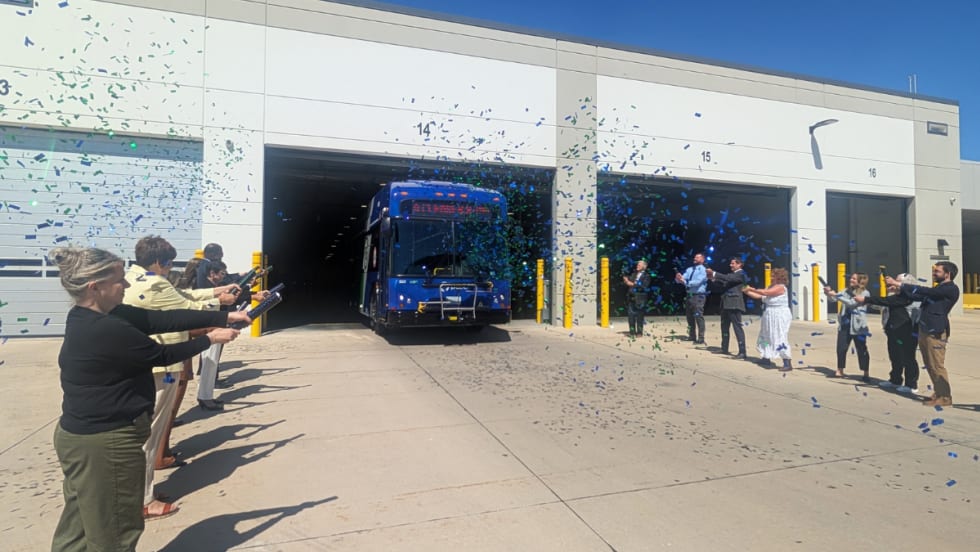
Chicago’s Pace Deploys 24 Hybrid-Electric Buses in Will County
The new buses reduce emissions and fuel consumption while advancing the agency's long-term goal of transitioning to a fully zero-emission fleet.
Read More →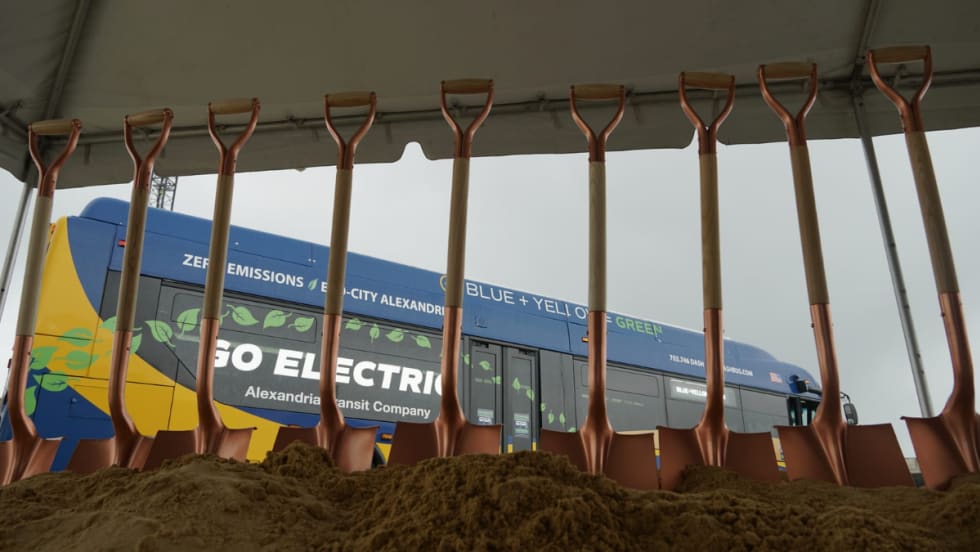
DASH Breaks Ground on First On-Route Electric Bus Chargers in D.C. Region
The fast-charging infrastructure will help extend electric bus range, improve fleet utilization, and support DASH's goal of transitioning to a fully zero-emission fleet.
Read More →