




RELATED: San Mateo County Transit District names Hartnett as new transit head
Caltrain electrification project receives $20 million
Key benefits associated with electrifying the 51 miles of rail line between San Francisco and San Jose also include a reduction of greenhouse gases, increased frequency and speed of train service, reduced engine noise, and reduced traffic congestion from automobiles along US 101 and interstate 280.
July 30, 2015
Caltrain
2 min to read

Caltrain
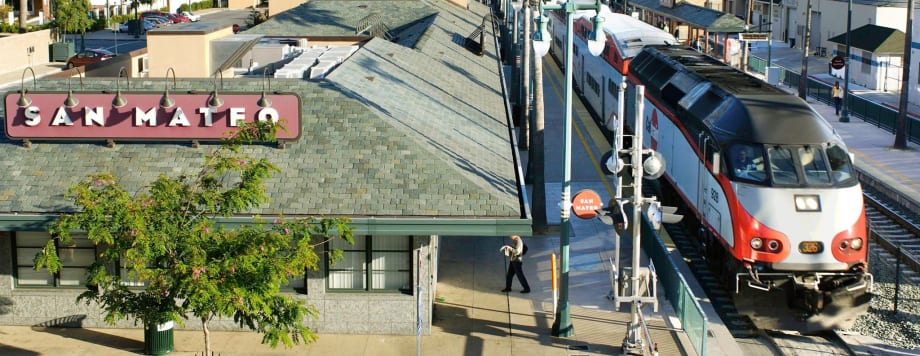
The Bay Area Air Quality Management District’s Board of Directors approved the allocation of $20 million dollars to help fund the electrification of the Caltrain corridor.
Transitioning to electric-powered trains will result in zero emissions locally and the ability to increase service. Caltrain currently serves more than 61,000 weekday riders between San Francisco and San Jose, and is projected to reach 100,000 weekday riders by 2040.
“This is the one of the most significant air pollution reduction funding projects the Air District has undertaken in recent years,” said Jack Broadbent, executive officer of the Air District. “By replacing diesel-powered trains with electric, air quality will be substantially improved for everyone along the Peninsula train corridor.”
Exposure to diesel exhaust can irritate the eyes, nose, throat and lungs, and cause coughs, headaches, and nausea. Because fine particles bypass the respiratory system's natural defenses they also aggravate chronic respiratory symptoms, and may contribute to more serious health impacts.
Key benefits associated with electrifying the 51 miles of rail line between San Francisco and San Jose also include a reduction of greenhouse gases, increased frequency and speed of train service, reduced engine noise, and reduced traffic congestion from automobiles along US 101 and interstate 280.
The total project cost is estimated to be $1.53 billion and will be supported through a combination of local, regional, state and federal sources. The Air District allocation of $5 million per year over the next four years is being funded through the Mobile Source Incentive Fund, which is collected from a $2 fee on motor vehicles registered in the Bay Area.
This project is a continuation of the Air District’s effort to support zero-emissions technologies in the Bay Area. Recent projects have included funding for the installation of shore power at the ports of Oakland and San Francisco, electric vehicles and infrastructure, electric airport equipment, electric lawnmowers, and hydrogen fueling stations.
Caltrain expects to start operating the electric trains by the winter of 2020. Switching to electrified track will reduce diesel fuel consumption by existing trains by approximately 3.4 million gallons, and 500 tons of associated particulates per year. After full implementation, total emissions will be reduced by over 97%.
The Bay Area Air Quality Management District (www.baaqmd.gov) is the regional agency responsible for protecting air quality in the nine-county Bay Area.
More Technology
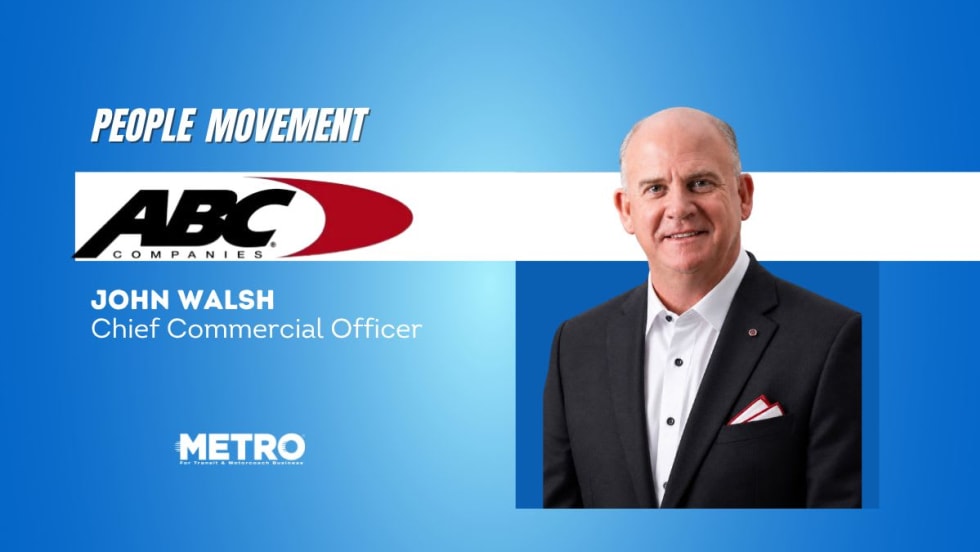
People Movement: ABC Names John Walsh as Chief Commercial Officer
In this edition, METRO also covers recent appointments and announcements at the DART, STV, and more, showcasing the individuals helping to shape the future of transportation.
Read More →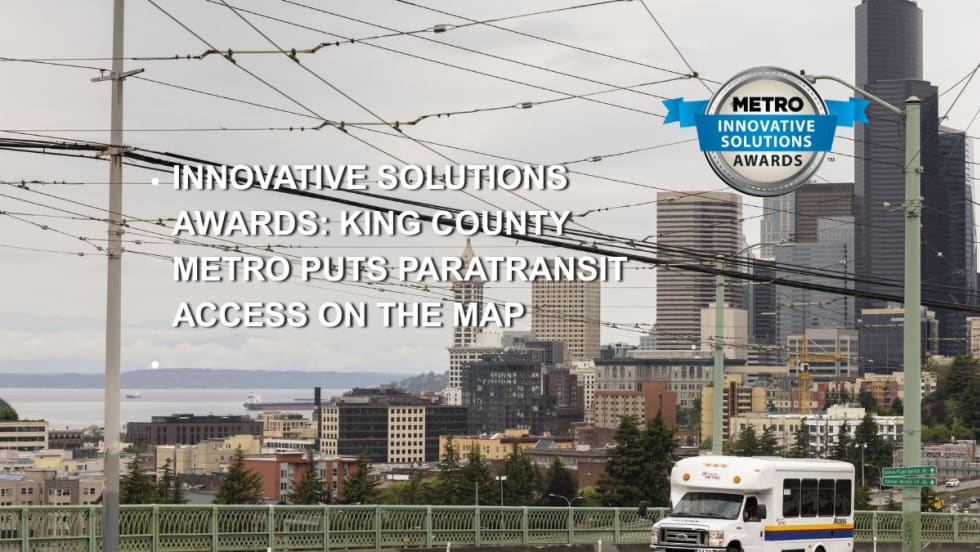
King County Metro Makes ADA Paratransit Easier to Navigate
METRO's Innovative Solutions Award winner replaces complex service-area descriptions with an accessible, interactive map that puts paratransit information directly in customers’ hands.
Read More →
TransDASH Summit Focuses on Measuring What Matters in Transit
Transit agencies unveil a national performance platform designed to benchmark customer experience, safety, community value, and other outcomes.
Read More →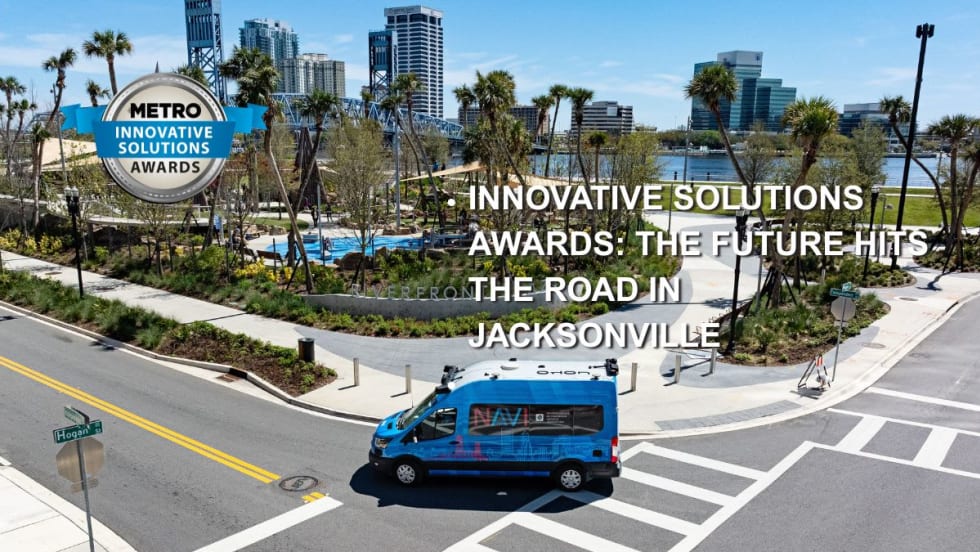
Jacksonville’s NAVI Project Charts a New Course for Autonomous Public Transportation
Through its NAVI program, JTA is showing how autonomous vehicles, intelligent infrastructure, and coordinated operations can work together to deliver everyday public transportation.
Read More →
Biz Briefs: Luminator Marks Milestone and More
From manufacturers and suppliers to transit agencies and motorcoach operators, these updates offer a snapshot of the projects, partnerships and business moves driving the industry forward.
Read More →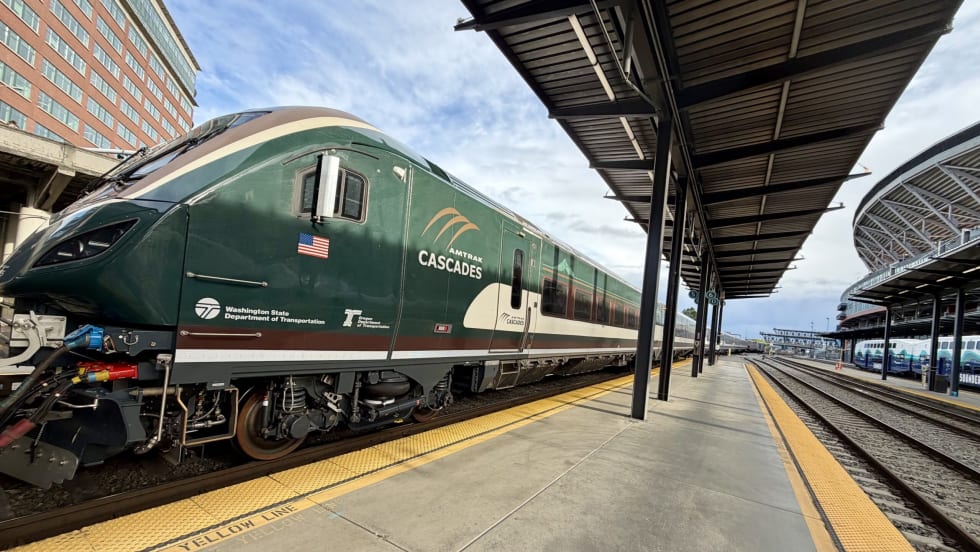
FRA Announces $5.3B in Rail Investments, Including $2B for Amtrak
Funding will support grade-crossing improvements, infrastructure upgrades, and new Amtrak equipment in 23 states.
Read More →
Finding the ‘Happy Medium’: Optimizing Maintenance Without Sacrificing Reliability
The key to maintenance optimization isn’t doing less work—it’s doing the right work at the right time on the right assets.
Read More →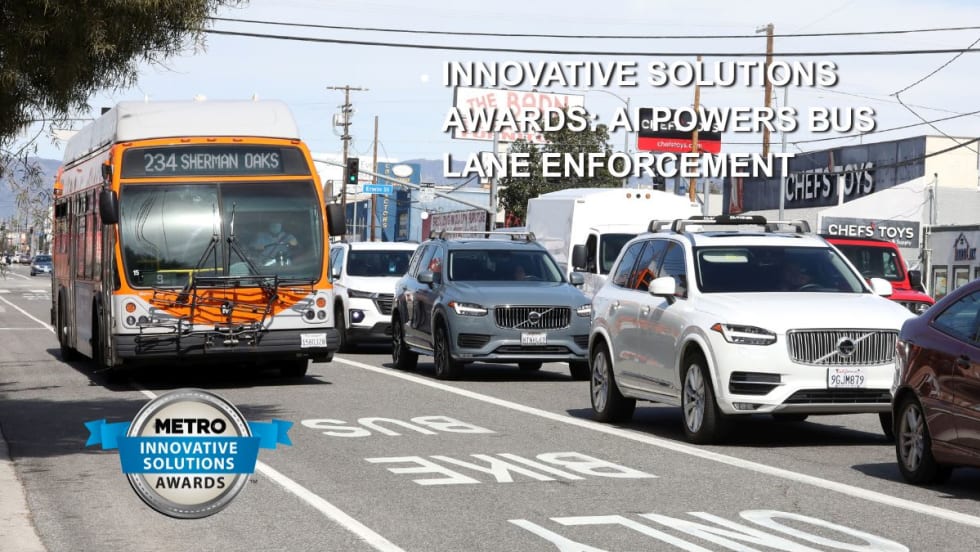
LA Metro, City of West Hollywood, and Partners Advance Smarter Bus Lane Enforcement
The award-winning partnership combines AI-powered detection with human oversight to improve bus reliability, accessibility, and enforcement efficiency.
Read More →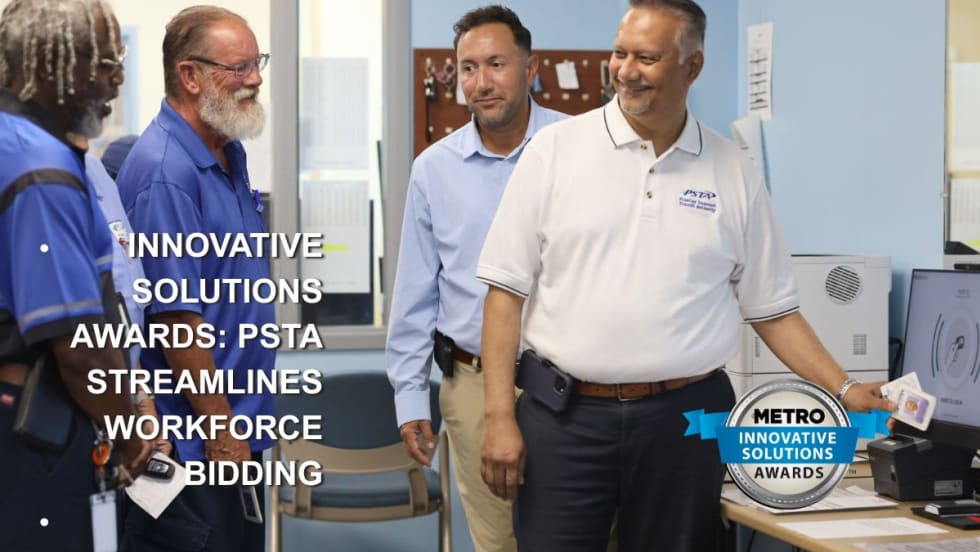
PSTA Modernizes Workforce Management with Digital Bidding System
The award-winning Workforce Transit Modernization project replaced paper bidding with a transparent digital platform, cutting administrative effort while improving access for operators.
Read More →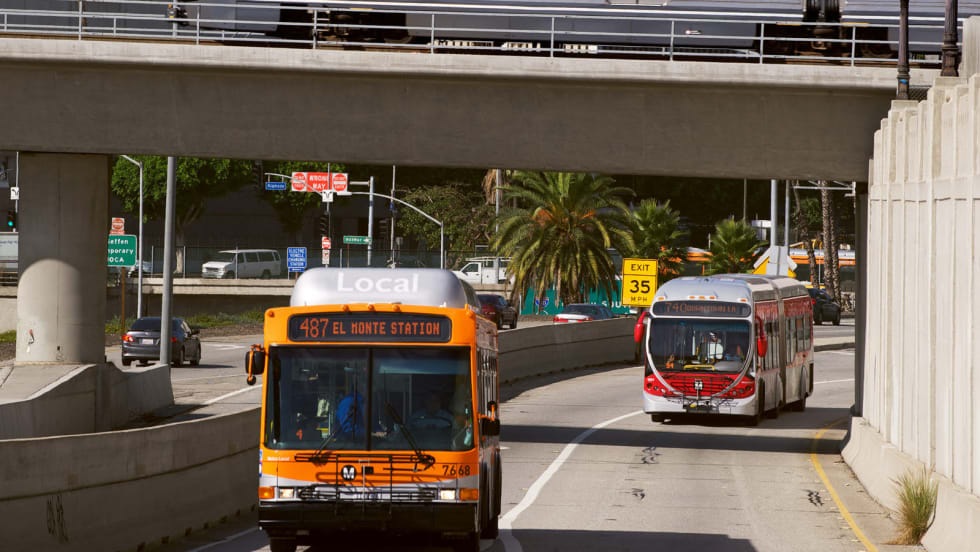
New Tricks for Old Bureaucracies: Joshua Schank on Making Transit Innovation Stick
Former LA Metro Chief Innovation Officer Joshua Schank discusses why good ideas aren't enough, how transit agencies can overcome resistance to change, and why today's challenges demand more innovation.
Read More →