



Center for TOD releases planning guide
Funded through a cooperative agreement between Reconnecting America and the Federal Transit Administration, the guide highlights best practices related to regulations, funding, information sharing and partnerships.

The Center for Transit-Oriented Development (CTOD) has released a guide, “Transit-Oriented Tools for Metropolitan Planning Organizations” to aid Metropolitan Planning Organizations (MPOs) in taking a more proactive role in planning and promoting compact growth along transit corridors.
Funded through a cooperative agreement between Reconnecting America and the Federal Transit Administration (FTA), the guide highlights best practices related to regulations, funding, information sharing and partnerships.
In recent years, many MPOs have taken a leadership role in combining growth plans and transit including Atlanta where “livable communities” planning grants have been offered; the San Francisco Bay Area, which requires certain thresholds of housing density before funding transit extensions; and Portland, which provides direct financial assistance for TOD projects.
However, according to Catherine Cox Blair, program director at Reconnecting America, “Many MPOs would like to direct their resources in the TOD arena but do not have the proper tools. This guide outlines how MPOs and transit agencies can work together to support the planning and implementation of TOD through station area plans and parking strategies, capital improvements and funding for infrastructure that supports station access.”
Charlie Goodman, director, office of systems planning at FTA says, “This guide will be extremely useful for MPOs of all sizes. It is based on research and national case studies, and includes proven practical strategies to not only incentivize TOD, but to promote more effective integration of land use and transportation planning on a regional basis.”
With the release of the guide, CTOD will work with FTA, the American Public Transit Association (APTA ) and other transit industry partners to develop training modules for conferences and other events throughout 2010. Webinars and annotated Powerpoint presentations will be accessible via the Internet.
More Bus

Biz Briefs: OCTA Taps Clean Energy for Hydrogen Station, Stadler to Supply Via Rail Vehicles, and More
From manufacturers and suppliers to transit agencies and motorcoach operators, these updates offer a snapshot of the projects, partnerships and business moves driving the industry forward.
Read More →
METRO Magazine Announces 2026 Innovative Solutions Awards Winners
Projects Recognized for Advancing Mobility Through Technology, Accessibility, Workforce Innovation, and Operational Excellence
Read More →
Biz Briefs: STV teams with Amtrak, Motorcoach Operators Boost Fleet and Land Contracts, and More
From manufacturers and suppliers to transit agencies and motorcoach operators, these updates offer a snapshot of the projects, partnerships and business moves driving the industry forward.
Read More →
LA Metro Marks Banner Year, Sets Ambitious Goals for New Fiscal Year
Incoming LA Metro Board Chair and Los Angeles Mayor Karen Bass joined outgoing Board Chair Fernando Dutra and LA Metro CEO Stephanie Wiggins to review accomplishments from fiscal year 2026, which included the opening of new rail extensions, advancement of major transit projects, expanded safety programs, and new rider amenities.
Read More →
DART Taps Nathaniel P. Ford Sr. as Next President/CEO
Since 2012, Ford has served as the CEO of the Jacksonville Transportation Authority
Read More →
AC Transit’s Cecil Blandon on Building the Next Generation of Transit Maintenance Leaders
The agency’s maintenance chief discusses leadership, workforce development, zero-emission technology, and preparing technicians for the future of public transportation.
Read More →
Building the Next Generation of Transit Technology
In this edition of METROspectives, Luminator CEO Magnus Friberg discusses the company's transformation, the growing role of AI and software, and what's next for transit technology.
Read More →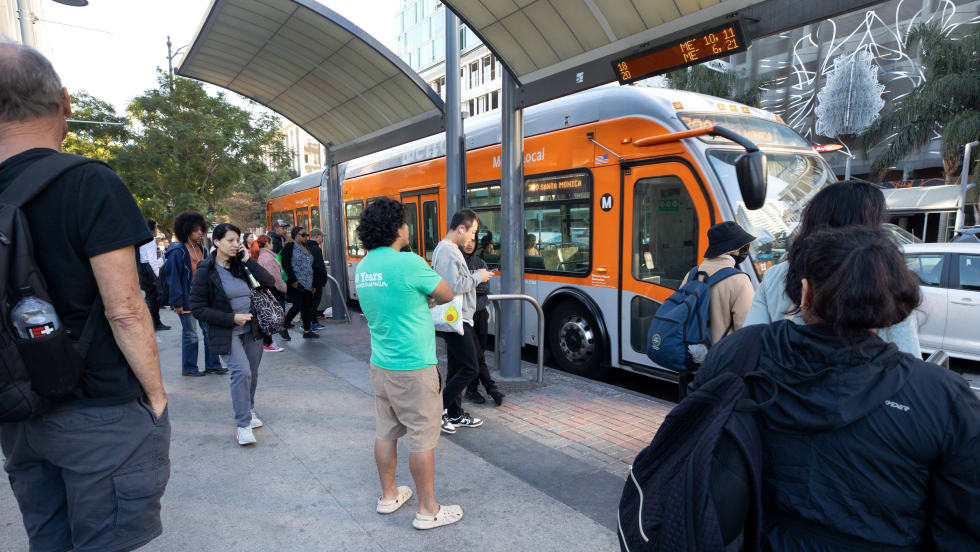
June LA Metro Ridership Surges 2 Million Year Over Year
Total June ridership increased for both weekdays and weekends. Weekday ridership was 953,820, which grew 8.4% from June 2025; Saturdays increased nearly 13% year-over-year to 708,826; and Sundays increased 7.7% to 611,534 from June 2025, according to LA Metro.
Read More →
Washington's Pierce Transit Board Sends Transit Funding Measure to November Ballot
With the adoption of Resolution 2026-006, the measure moves to the Pierce County Auditor, giving voters in the Pierce Transit service area the decision on whether to fund an expansion of local transit service within the agency’s service area.
Read More →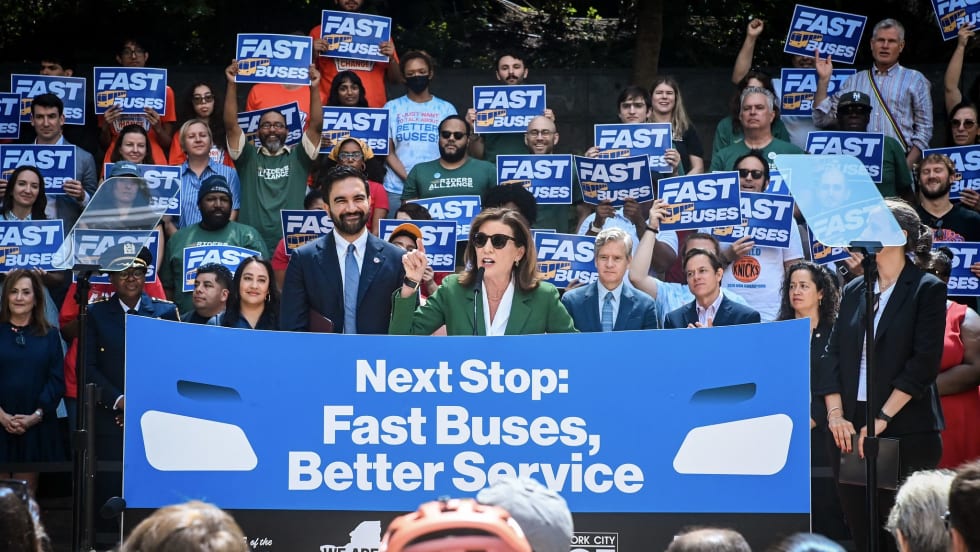
New York Unveils Sweeping Plan to Modernize City Bus Service
Next Stop: Fast Buses, Better Service identifies 50 priority bus corridors for improvements across the five boroughs and launches the City’s next generation of rapid bus service along five key routes.
Read More →