




More News: First Month of Electrified Caltrain Service Sees 750K Riders
Center for Transportation and Environment Release New Guidebook
CTE’s new guidebook looks to provide insight into the process of transitioning to Zero-Emission Bus fleets and help agencies avoid common pitfalls.
November 19, 2024
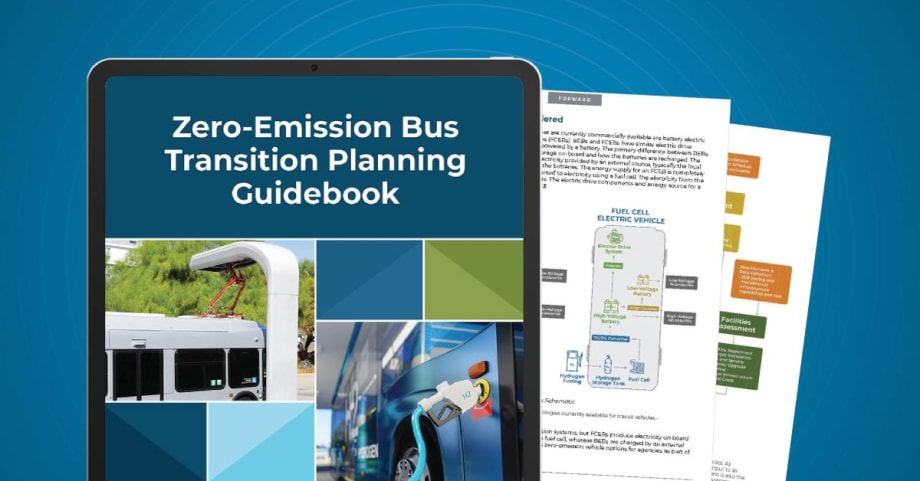
The CTE's Zero-Emission Bus Transition Guidebook is available now and can help agencies transition to Zero-emission buses.
Photo: CTE
3 min to read
The Center for Transportation and Environment (CTE) announced the release of the Zero-Emission Bus Transition Planning Guidebook authored by CTE Senior Managing Consultant Niki Rinaldi El-Abd, with funding provided by the Federal Transit Administration (FTA) and the National Transit Institute (NTI).
Helping Get Started With ZEBs
This first-of-its-kind transition planning guidebook is designed to equip public transit agencies and engineering firms across the country with the knowledge and tools necessary to plan and implement a successful transition to a zero-emission bus fleet.
Public transit agencies are increasingly recognizing the environmental and economic benefits of zero-emission bus technologies. Transitioning to a zero-emission bus (ZEB) fleet requires careful planning to avoid the common pitfalls associated with ZEB deployments.
The Zero-Emission Bus Transition Planning Guidebook provides a step-by-step approach to guide public transit agencies through the entire transition process. Key features of the guidebook include:
Strategies for addressing range limitations and ensuring sufficient fueling infrastructure
Guidance on developing a staff training plan to support the ZEB fleet
A framework for creating a funding plan to leverage available financial resources
A methodology for assessing technology options, developing procurement strategies, and estimating costs
This guidebook recognizes the broader scope of ZEB transition planning, beyond just deployment best practices.
Unlike a single ZEB deployment, ZEB Transition Planning establishes a roadmap for future advancements and is an ongoing process that may span a decade or more, influenced by local, state, and federal regulations, funding availability, and specific vehicle replacement schedules.
While initially designed for transit agency personnel, this guidebook is a valuable resource for any fleet operator aiming to transition to zero-emission technologies as well as for any service provider wishing to aid operators in this important transition.
“This Guidebook is intended to act as a reference for any fleet operator interested in creating a strategy for transitioning their fleet to zero-emission technologies,” said Niki Rinaldi El-Abd, senior managing consultant at CTE. “It walks readers through the entire process of developing their ZEB Transition Plan and empowers them to take on the often-daunting task of developing a strategy to overcome range restrictions, optimize operational considerations, and understand the costs associated with transitioning their fleet.”
The guidebook is based on CTE’s lessons learned from completed transition plans, CTE’s in-house expertise, and the expertise of industry stakeholders.
Since its founding in 1993, CTE has managed a portfolio of more than $3.8 billion in team research, development, and demonstration projects funded by a variety of federal, state, and local organizations including the U.S. Departments of Transportation, Energy, Defense, and Interior, as well as the California Air Resources Board and the California Energy Commission.
CTE has assisted more than 250 operators that have deployed or will soon deploy more than 1,400 zero-emission vehicles. CTE has also managed or participated in almost 80 transition planning projects across the country.
“This guidebook is a culmination of CTE’s extensive experience in supporting the transition to zero-emission buses,” said Dan Raudebaugh, executive director of CTE. “We are confident that this resource will be a valuable tool for public transit agencies and industry service providers as they work to transition to cleaner, more sustainable fleets.”
The guidebook is available for free here.
More Zero Emissions
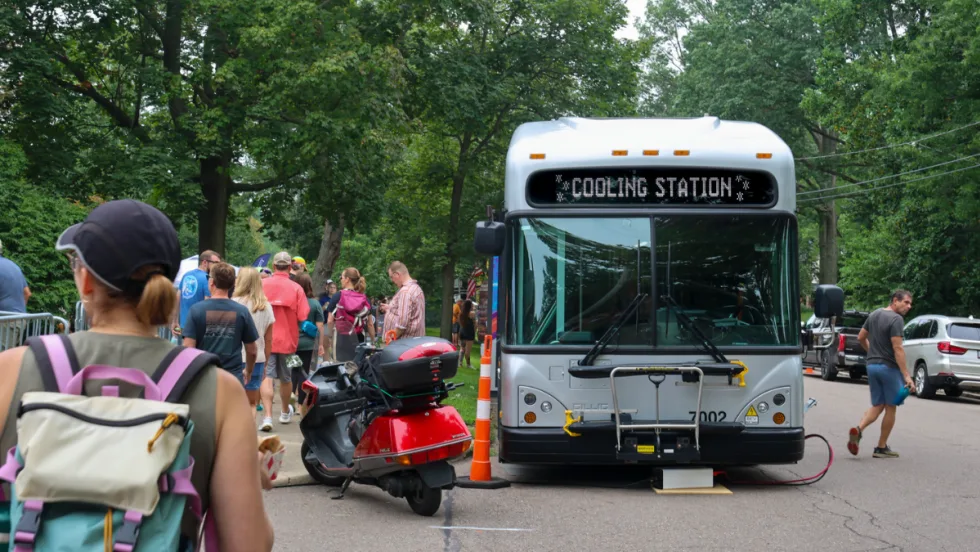
Ohio’s METRO RTA Turns Electric Buses into Mobile Power Sources at PorchROKR
See how three Gillig battery-electric buses powered festival stages while the agency’s new Park & Ride service carried approximately 1,000 attendees, demonstrating another potential use for transit agencies’ electric fleets.
Read More →
CALSTART and Forth Combine to Form Catalyst Mobility
The new name represents a renewed vision for the nonprofit focused on advancing clean, equitable, and affordable transportation solutions that move people and goods.
Read More →
Building a Flexible Path to Transit Electrification
John Hroncich discusses BAE Systems’ modular and scalable approach, lessons learned from decades of real-world operations, and how agencies can identify electrification strategies that fit their fleets.
Read More →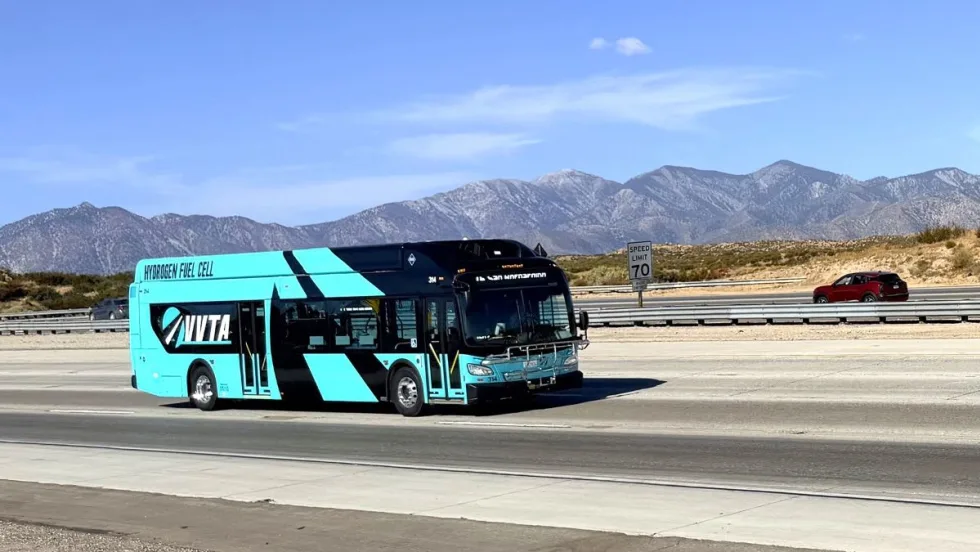
California's VVTA Begins Phased Rollout of Hydrogen Fuel Cell Buses
The agency is introducing 13 zero-emission buses into revenue service while evaluating performance across its urban, rural, and long-distance routes.
Read More →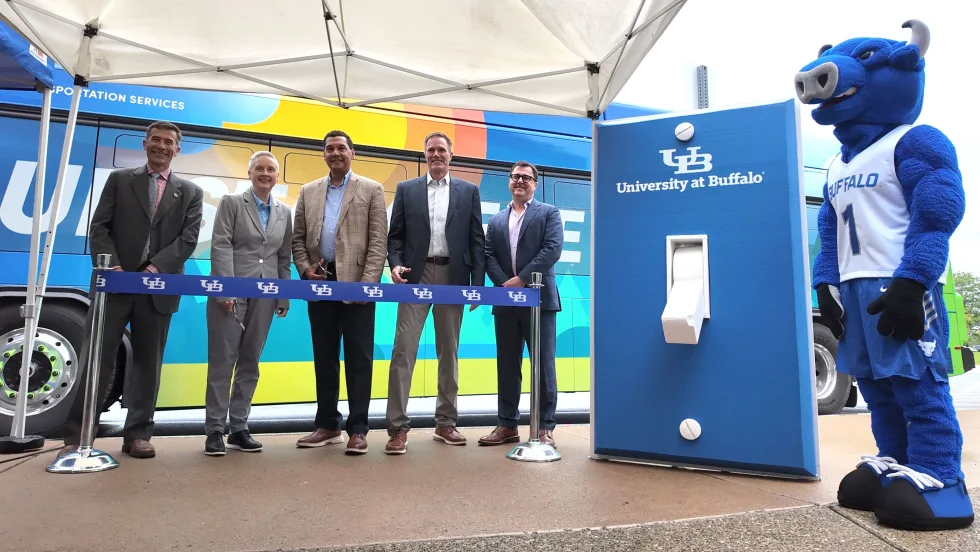
Inside Look: University at Buffalo Puts First 8 Electric Buses Into Stampede Service
UB, transportation solutions provider WeDriveU, and fleet electrification specialist Zenobē marked the deployment in the presence of students, university administrators, and local officials.
Read More →
Biz Briefs: OCTA Taps Clean Energy for Hydrogen Station, Stadler to Supply Via Rail Vehicles, and More
From manufacturers and suppliers to transit agencies and motorcoach operators, these updates offer a snapshot of the projects, partnerships and business moves driving the industry forward.
Read More →
AC Transit’s Cecil Blandon on Building the Next Generation of Transit Maintenance Leaders
The agency’s maintenance chief discusses leadership, workforce development, zero-emission technology, and preparing technicians for the future of public transportation.
Read More →
CTDOT Taps STV for Electric Bus Facility Design
The firm will work with CTDOT and RVT to define the facility layout, operational requirements, and long-term flexibility for RVT’s growing electric fleet.
Read More →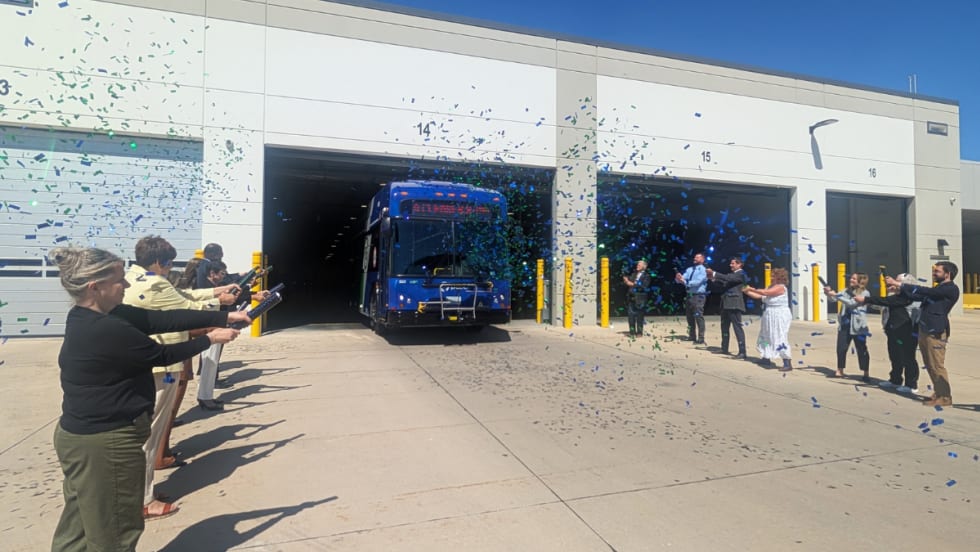
Chicago’s Pace Deploys 24 Hybrid-Electric Buses in Will County
The new buses reduce emissions and fuel consumption while advancing the agency's long-term goal of transitioning to a fully zero-emission fleet.
Read More →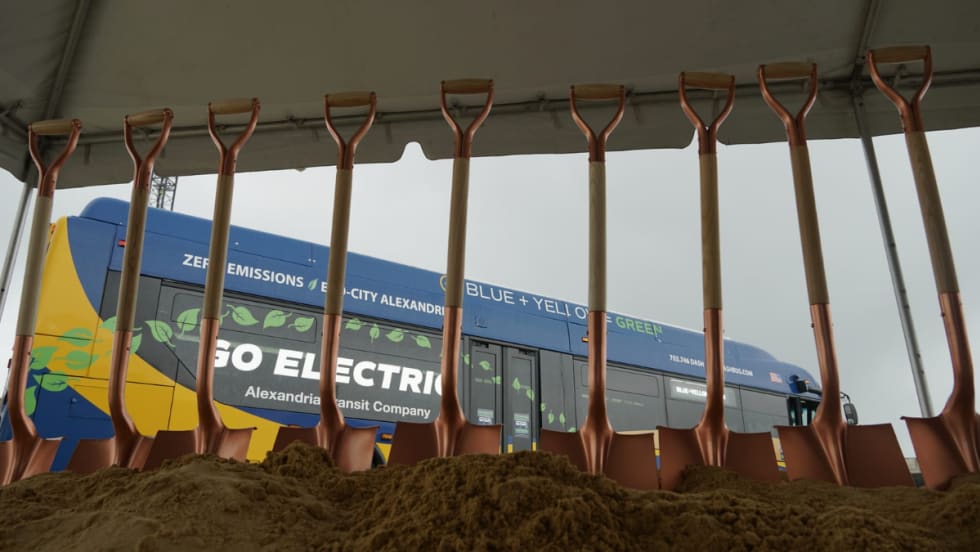
DASH Breaks Ground on First On-Route Electric Bus Chargers in D.C. Region
The fast-charging infrastructure will help extend electric bus range, improve fleet utilization, and support DASH's goal of transitioning to a fully zero-emission fleet.
Read More →