



Chicago Transit begins $425M Red Line project
The reconstruction will speed up round-trips between 95th Street and downtown and provide South Side customers with a smoother ride and fewer service interruptions through better reliability and on-time performance.

The Chicago Transit Authority (CTA) kicked off the Red Line South Reconstruction Project, a $425 million rebuilding of the Red Line South rail line, which officially began around 2 a.m. Sunday and is one of the largest construction projects in CTA’s history.
The CTA has temporarily ceased service along the 10.2-mile Red Line branch between Cermak-Chinatown to 95th Street for five months to build a brand new railroad from the ground up. The reconstruction will speed up round-trips between 95th Street and downtown and provide South Side customers with a smoother ride and fewer service interruptions through better reliability and on-time performance.
The five-month shutdown will allow the work to be completed in the quickest, most cost-efficient manner. By doing the work over five months versus on weekends over four years, the CTA will save $75 million, money it is investing into rehabilitating eight of nine rail stations along the Red Line South branch. The ninth station, 95th Street Terminal, will be reconstructed in a separate, $240 million project next year.
The Red Line South project includes replacing all railroad ties, rails, third rail, drainage and communications systems, and ballast, the stone material that holds the ties in place. Station work includes lighting replacement or refurbishment; new signage, floor reglazing/repair; painting; cleaning; and new elevators at the Garfield, 63rd and 87th stations.
“The CTA will provide our customers with a brand new railroad that will reduce round-trip commutes by 20 minutes and make traveling along the Red Line South a smoother, more reliable and more comfortable experience,” said CTA President Forest Claypool. “We fully understand the impact this will have on our customers in the short-term and appreciate their patience, and are fully prepared to offer ample service alternatives to get them to where they need to go.”
Built in 1969, the south Red Line tracks are well beyond their expected lifespan. Despite ongoing repairs and maintenance, with more than 40 percent of the branch including slow zones in which trains must travel well below the designed speed limit. In some cases, trains that would normally travel up to 55 mph are instead running at 15 mph.
The project is part of Mayor Emanuel’s Building a New Chicago infrastructure renewal program. Funding for the work is part of more than $1 billion in federal, state and local funding announced in late 2011 by Gov. Pat Quinn and Mayor Emanuel for the Red and Purple lines. The Governor’s Illinois Jobs Now! capital program is providing more than $700 million of the total investment.
To help CTA customers plan alternative travel during the project, the CTA is offering multiple travel options to help passengers find alternative travel routes.
More Management
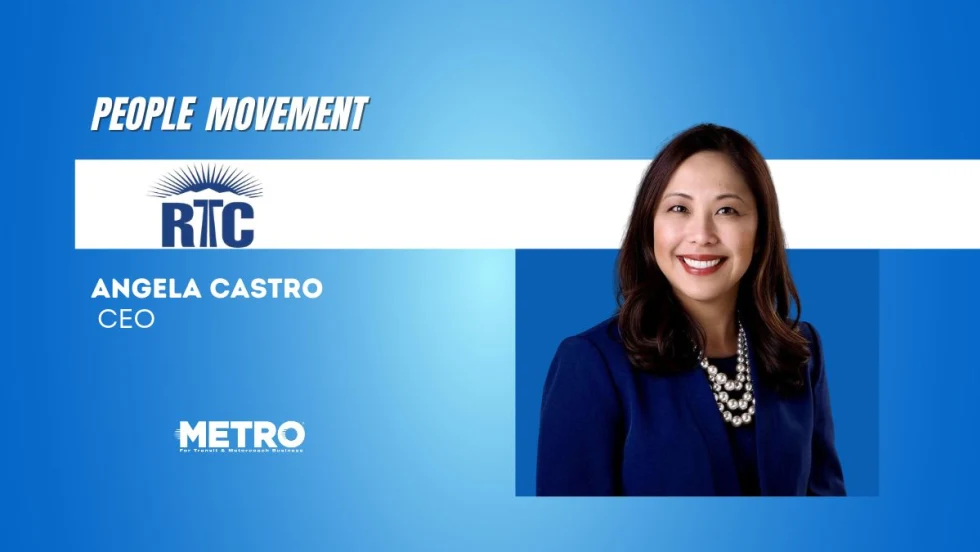
Castro to Lead RTC of Southern Nevada and More in People Movement
In this edition, we also cover recent appointments and announcements at the STV, MCI, and more, showcasing the individuals helping to shape the future of transportation.
Read More →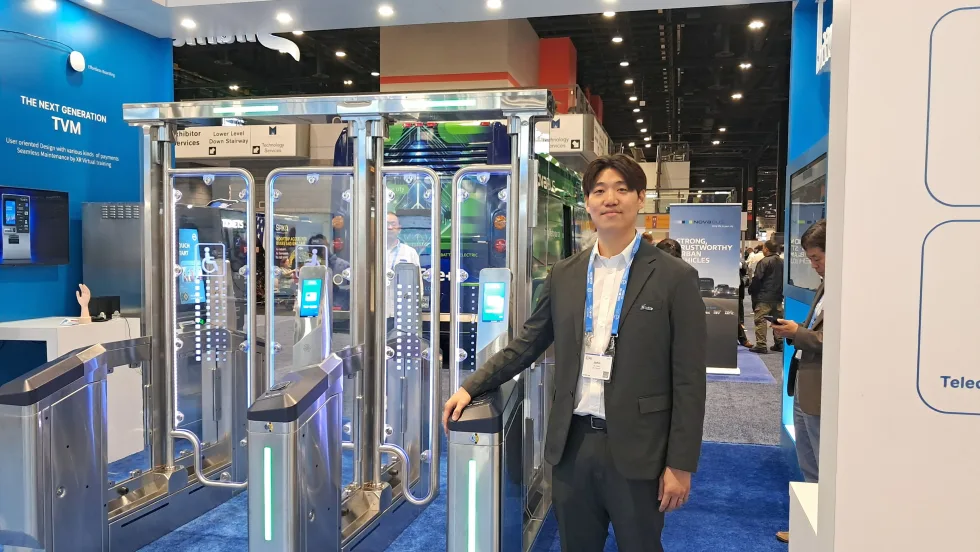
STraffic Expands North American Presence with Fare Collection Technology
John Moon, Associate Director, Product Strategy at STraffic, discusses the company's growth in North America, its efforts to reduce fare evasion, and more.
Read More →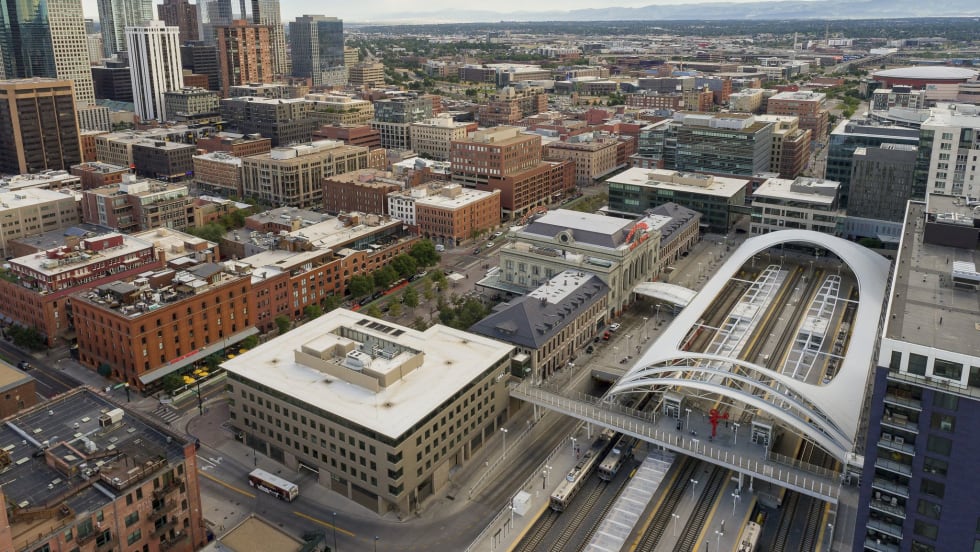
Study: Denver RTD Generates $2.1 Billion in Annual Economic Activity
An economic impact study finds the agency supports approximately 17,500 jobs, delivers $1.6 billion in annual community and mobility benefits, and generates $2.42 in economic value for every dollar invested.
Read More →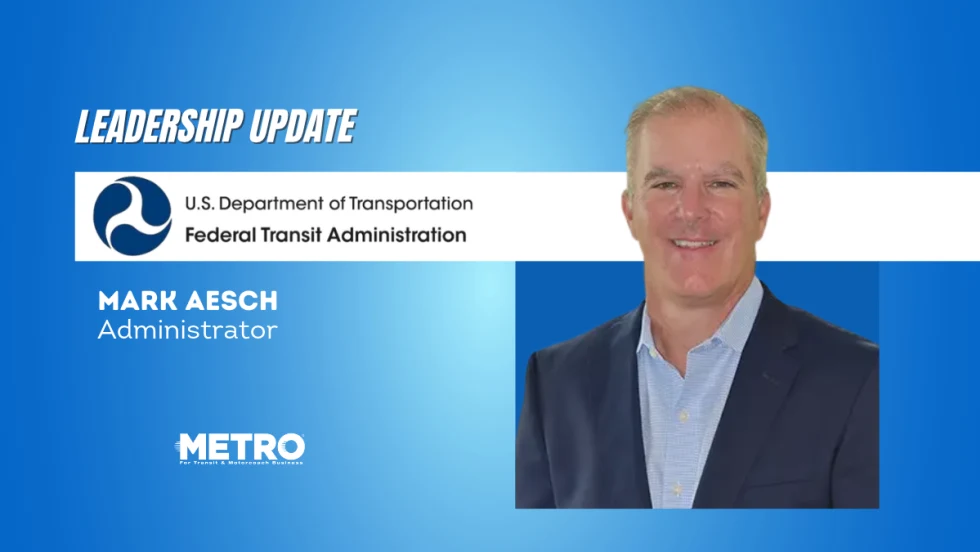
Mark Aesch Nominated to Lead Federal Transit Administration
The former Rochester transit chief and TransPro founder, who has also contributed to METRO Magazine, brings decades of industry experience and a focus on performance, accountability, and financial sustainability to the nomination.
Read More →
Best and Worst U.S. Cities for Public Transportation in 2026
A new analysis of 50 major U.S. urban areas ranks public transit systems based on accessibility, affordability, usefulness, and safety, highlighting where transit performs best and where challenges remain.
Read More →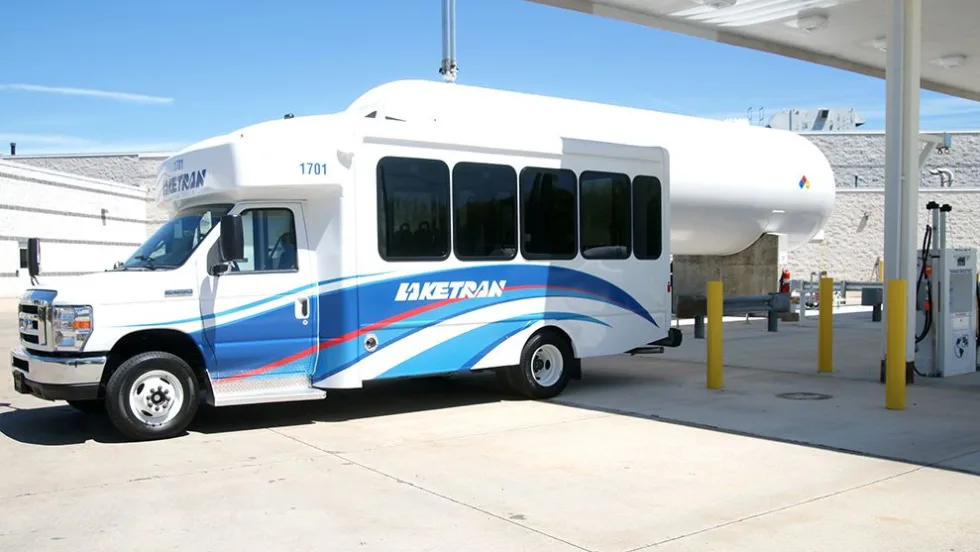
Laketran Cuts Fuel Costs, Boosts Efficiency with Propane-Powered Fleet
The Ohio transit agency is using propane-powered vehicles and on-site fueling infrastructure to cut fuel and maintenance costs while meeting growing demand for paratransit services.
Read More →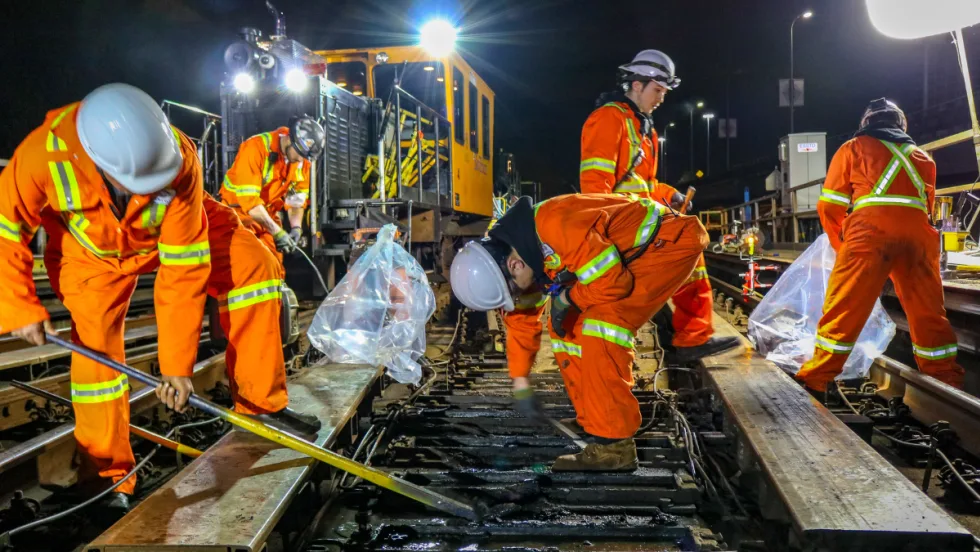
Canada’s Public Transit Supports $65.6 Billion in Annual GDP
New research from the Canadian Chamber of Commerce examines transit's economic contributions, including job creation and the financial implications of transportation investment.
Read More →
Pierce Transit Moves to Expand Fleet Following Proposition 1 Approval
The agency authorized the purchase or refurbishment of up to 60 buses to support a 47% service expansion, as voters nationwide approved billions in new transit funding.
Read More →
Right-Sizing Rural Transit: Lessons from North Grenville’s On-Demand Model
A small municipality shows how flexible service, rider needs, and public accountability can expand mobility with limited resources.
Read More →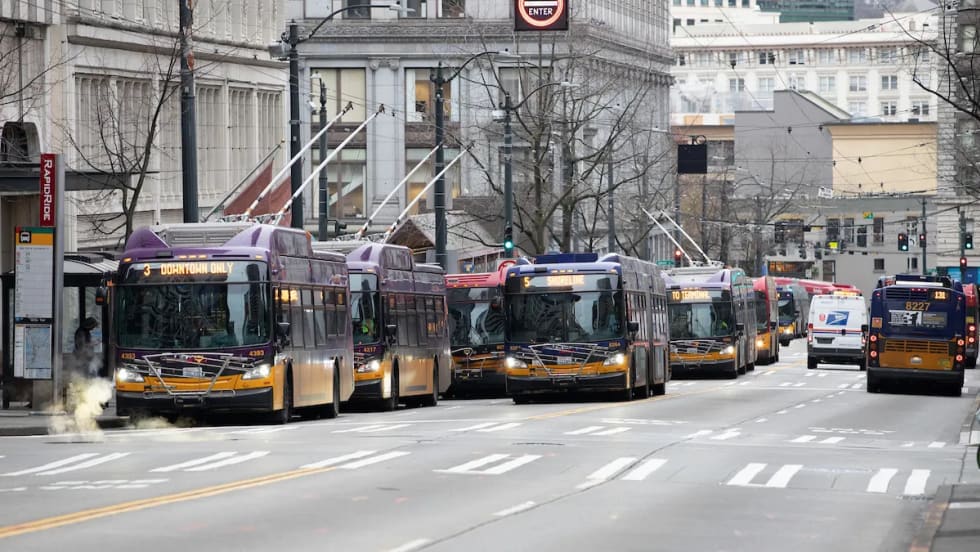
Transit Ballot Victories Signal Strong Voter Support: What Comes Next?
Voters approved billions in public transportation investments in 2026, giving agencies opportunities to preserve service, expand operations, and strengthen regional connections amid a changing political landscape.
Read More →