




Related: Chicago takes next step toward making rail system100% accessible
Chicago Transit installs first bus tracker displays across city
Bus tracker LED displays have been added to 51 CTA rail stations.
March 14, 2016
CTA
2 min to read
CTA
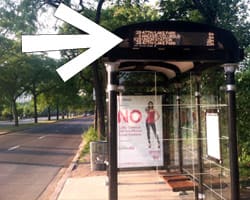
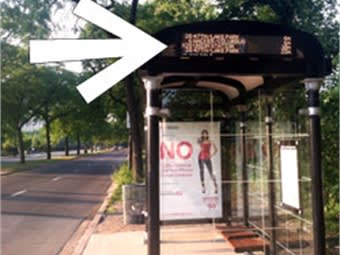
Mayor Rahm Emanuel and Chicago Transit Authority (CTA) President Dorval R. Carter Jr. announced good news for customers who transfer from trains to buses: the agency has installed its first-ever Bus Tracker arrival-time displays at 51 CTA stations, allowing customers to quickly and easily see when their bus is coming.
The CTA placed 66 Bus Trackers displays at 51 stations, some of which have the highest numbers of customers who transfer between trains and buses.
Previously, Bus Tracker signs were only found at bus shelters. On an average weekday approximately 150,000 riders make rail to bus transfers. Each sign provides the estimated arrival time for routes serving that particular bus stop within an approximately 30-minute timeframe.
“CTA customers have told us that they love Bus and Train Tracker for their convenience and ease, and we’re pleased to continue to invest and expand Bus Tracker to making commuting even easier for our customers who connect between trains and buses,” said CTA President Dorval Carter Jr. “The addition of these signs allows customers to know when their bus is coming while more comfortably waiting in the sheltered space of CTA rail station.”
The $1.3 million project is latest in many ways CTA has improved service for customers by investing in technology in recent years under Mayor Rahm Emanuel, including:
Expanding the total number of Bus Tracker LED displays citywide (including at rail stations) to more than 400.
Increasing the number of Train Tracker displays at every rail station to more than 880.
Completing the installation of 4G wireless service in its 22 miles of Red and Blue Line subway tunnels.
Launching the Ventra app last fall, which provides customers the ability to purchase and manage fares on CTA, Metra and Pace.
Expanding CTA’s security camera network to more than 23,000.
“This project is a great example of CTA, Pace and the RTA working together to provide a service to benefit riders,” says Regional Transportation Authority Executive Director Leanne Redden. “Where possible, the signs display both CTA and Pace next bus arrival information, and were funded by the RTA allocation of Innovation, Coordination, and Enhancement (ICE) grants.”
Bus Tracker information is also available to customers via text and email alerts. Customers can sign up to receive alerts online or access Bus and Train Tracker by downloading the free Ventra app, which provides real-time transit tracker information.
More Bus
Biz Briefs: New Flyer Delivers in Columbus, Houston, Beep and Freebee Merge, and More
In this edition of Biz Briefs, we spotlight the latest developments shaping the future of mobility.
Read More →
People Movement: Dan Dipert Coaches Adds Third-Generation Leader, Keolis Names New Valley Metro VP/GM, and More
In this edition, we also cover recent appointments and announcements at the Wabtec, SilverRide, HNTB, and more, showcasing the individuals helping to shape the future of transportation.
Read More →
New York MTA Plans Largest Bus Fleet Upgrade in More Than a Decade
The agency is seeking manufacturers for 650 new CNG buses to replace aging vehicles, improve reliability, and advance its broader fleet modernization strategy.
Read More →
Building a Flexible Path to Transit Electrification
John Hroncich discusses BAE Systems’ modular and scalable approach, lessons learned from decades of real-world operations, and how agencies can identify electrification strategies that fit their fleets.
Read More →
Bus Tech Talk: Keeping Transit Technicians Ahead of the Technology Curve
LA Metro’s Obed Mejia discusses technician training, evolving maintenance technology, fleet replacement, and strategies for getting the most out of today’s transit fleets.
Read More →
Biz Briefs: RIPTA Unveils New Frontrunners, Clevland RTA Adds New Siemens, and More
In METRO's latest installment, we take a look at recent news from Siemens, Prevost, Dodge, and more partnerships making headlines across the transportation sector.
Read More →
People Movement: Holly Arnold Joins Transdev and More
In this edition, we also cover recent appointments and announcements at Pace, CamTran, MCI, and more, showcasing the individuals helping to shape the future of transportation.
Read More →
The High Cost of Transit Buses: Industry Leaders Look to Procurement Reform
Transit leaders and policymakers examine how standardized bus designs, streamlined procurement, and predictable funding could help agencies stretch budgets and deliver better service.
Read More →
The Business Voice Behind Public Transportation
As chair of APTA’s Business Members Board of Governors, Ray Melleady explains how more than 850 business members are partnering with transit agencies to advance funding, innovation, and industry-wide collaboration.
Read More →
From Surviving to Thriving: Building Stronger Transportation Organizations
Bus Business Consultants founder Brian Dickson shares lessons on leadership, organizational health, and creating options for long-term success in a changing transportation industry.
Read More →