



Chicago's Pace Breaks Ground on Zero-Emission Bus Facility
The project will create the region’s first bus facility designed to support an all-electric fleet and move forward Pace’s transition to a zero-emission fleet.

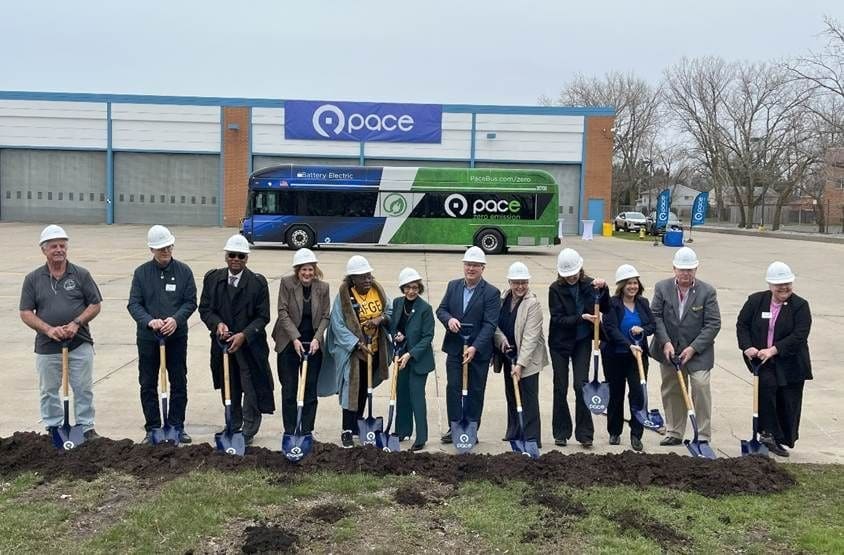
By launching this effort in Waukegan, Pace is prioritizing communities historically impacted by industrial pollution and economic disinvestment, ensuring they benefit from the agency’s clean energy transition.
Photo: Pace
The electric transformation of Chicago’s Pace Suburban Bus reached a major milestone when state and local officials joined agency leaders to break ground on the renovation of the agency’s North Division Garage.
The project will create the region’s first bus facility designed to support an all-electric fleet and move forward Pace’s transition to a zero-emission fleet.
Pace’s Electric Bus Upgrade
The upgrades to the facility places Waukegan at the forefront of Project Zero, Pace’s initiative to reduce pollution and honor statewide climate goals by converting its entire bus fleet to zero-emissions technology by 2040.
By launching this effort in Waukegan, Pace is prioritizing communities historically impacted by industrial pollution and economic disinvestment, ensuring they benefit from the agency’s clean energy transition.
"Today marks another step forward in Pace’s commitment to a zero-emission future," said Pace Chairman Rick Kwasneski. "We already have a few zero-emission and hybrid buses in service, but this facility will take our sustainability efforts to the next level. Once completed, North Division will have the capacity to charge and house a fleet of 60 zero-emission buses."
Path to Project Zero
The electrification of the North Division Garage is being funded through Rebuild Illinois and federal grants.
Pace estimates that fully achieving Project Zero will require approximately $2.5 billion which includes facility upgrades and vehicles.
"Pace is incredibly proud of our commitment to operating a zero-emission fleet, and I am proud of our personnel for embracing this operational change. Our North Division Garage has always been a major contributor to Lake County, providing public transit to the residents including essential workers, seniors, people with disabilities and students, so I am glad we can make this critical investment to Waukegan," said Pace Executive Director Melinda Metzger.
The first zero-emission buses are expected to operate out of Waukegan by late 2025 following the installation of 12 chargers and the construction of a covered outdoor charging facility.
The second phase of the project, expanding and modernizing the entire garage, is expected to be completed by 2027.
More Zero Emissions
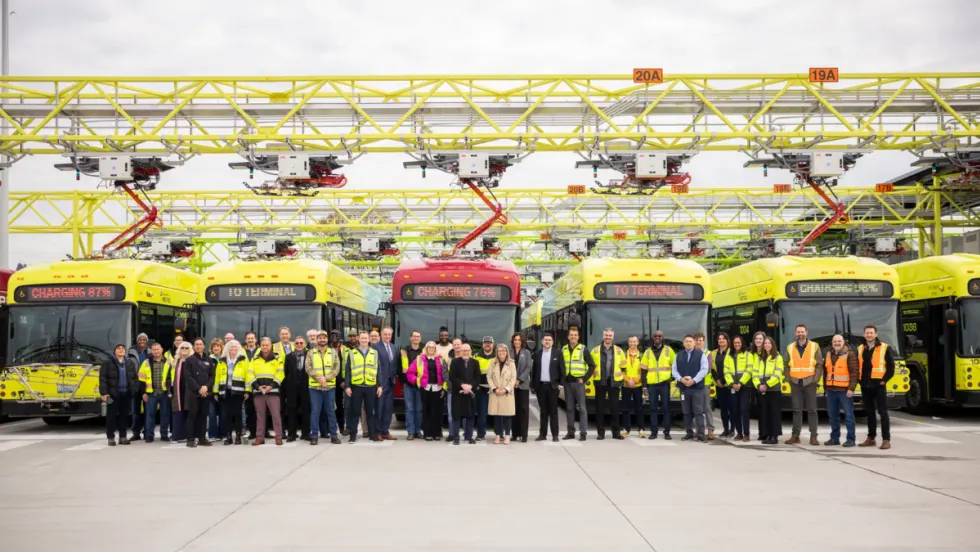
Seattle’s King County Metro Completes Construction of All-Electric Tukwila Bus Base
The 544,000-square-foot facility supports more than 120 battery-electric buses and currently serves five routes in Seattle and South King County.
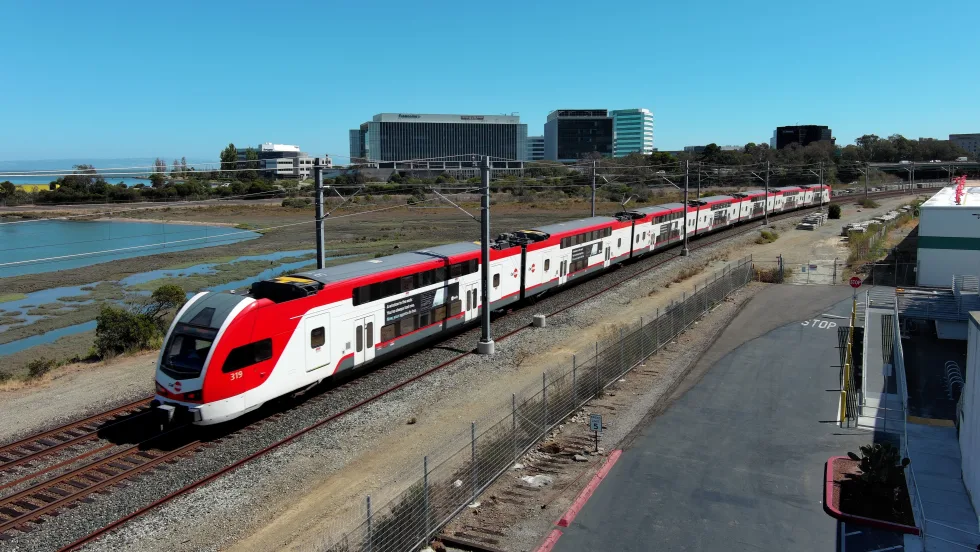
Caltrain’s Electrification Drives a New Era of Ridership Growth
The railroad’s shift to electric service has brought more frequent trains, stronger customer satisfaction, and increased ridership, earning it APTA’s Outstanding Public Transportation System award.
Building a Flexible Path to Transit Electrification with BAE's John Hroncich
John Hroncich discusses BAE Systems’ modular and scalable approach, lessons learned from decades of real-world operations, and how agencies can identify electrification strategies that fit their fleets.
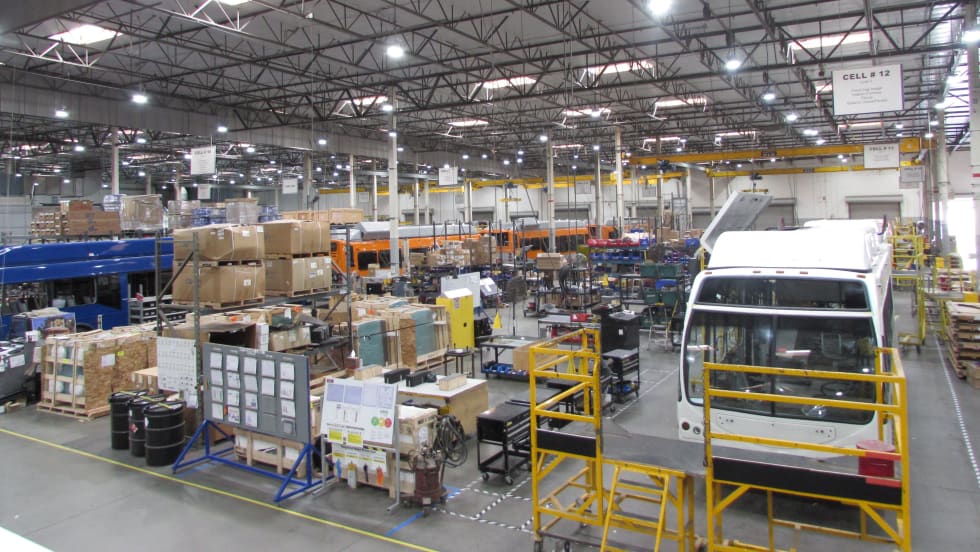
LA Metro Board Awards 220 Battery-Electric Bus Contract to ENC
The contract, which is the largest base award of battery-electric buses by a U.S. transit agency, will be built in Southern California, sustaining good jobs as LA prepares to welcome the world in 2028

Public Transit Conference Returning to GFX in 2027, Call for Papers Now Open
The Call for Papers is now open, allowing transit agency professionals and industry experts to help shape the PTC educational program by submitting session ideas for consideration.
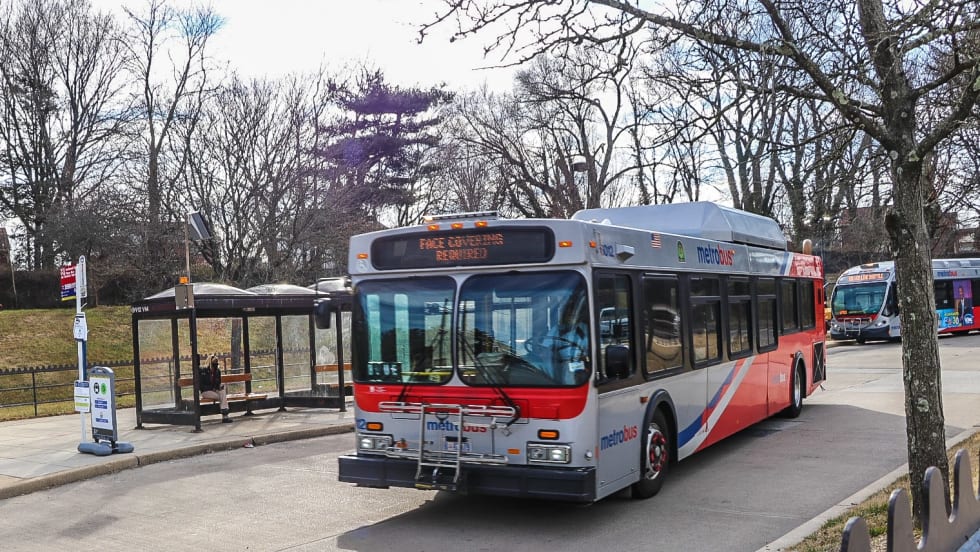
Report: Transit Bus Manufacturing Supports 34,100 Jobs, $5.1B in GDP
The “Buses Mean Business” report examines the transit bus manufacturing industry’s economic footprint, supply chain, and rising demand for vehicle replacements.
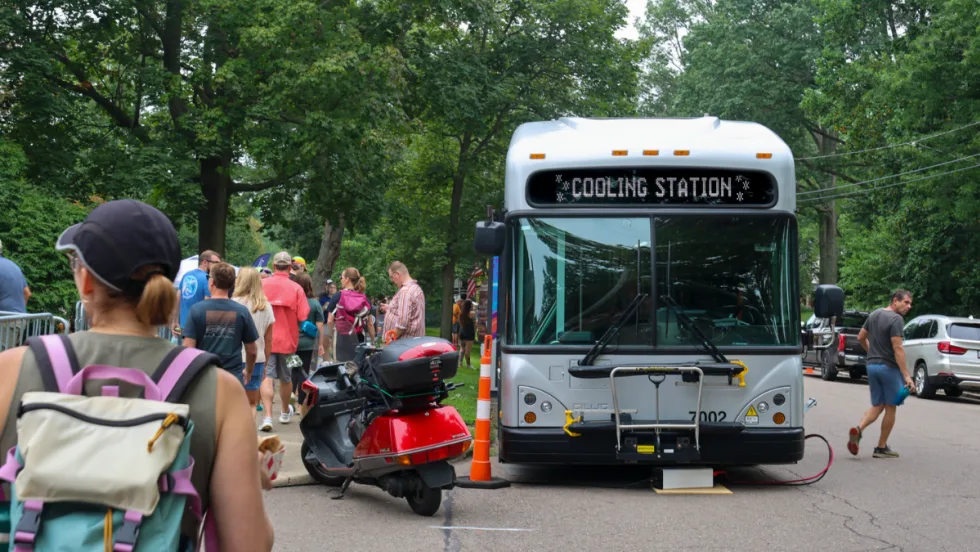
Ohio’s METRO RTA Turns Electric Buses into Mobile Power Sources at PorchROKR
See how three Gillig battery-electric buses powered festival stages while the agency’s new Park & Ride service carried approximately 1,000 attendees, demonstrating another potential use for transit agencies’ electric fleets.
CALSTART and Forth Combine to Form Catalyst Mobility
The new name represents a renewed vision for the nonprofit focused on advancing clean, equitable, and affordable transportation solutions that move people and goods.
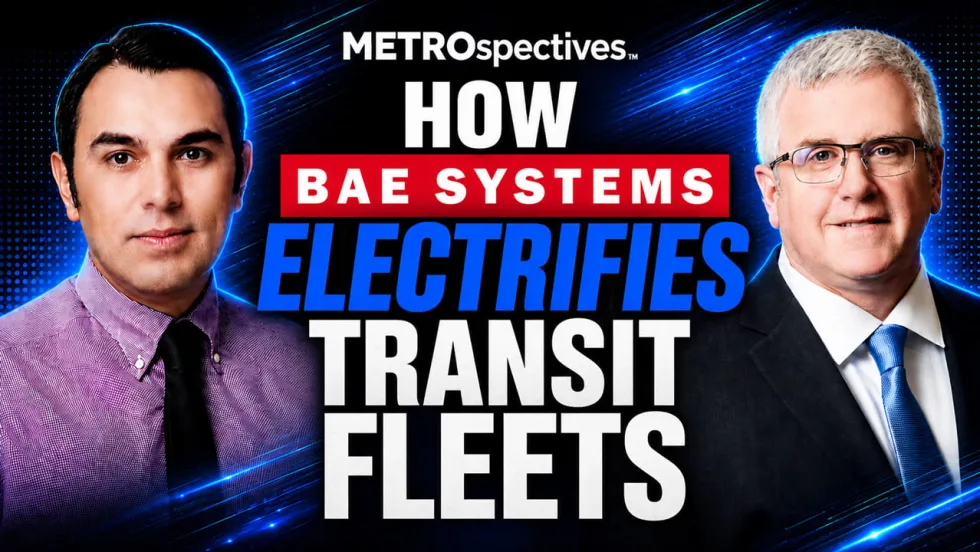
Building a Flexible Path to Transit Electrification
John Hroncich discusses BAE Systems’ modular and scalable approach, lessons learned from decades of real-world operations, and how agencies can identify electrification strategies that fit their fleets.
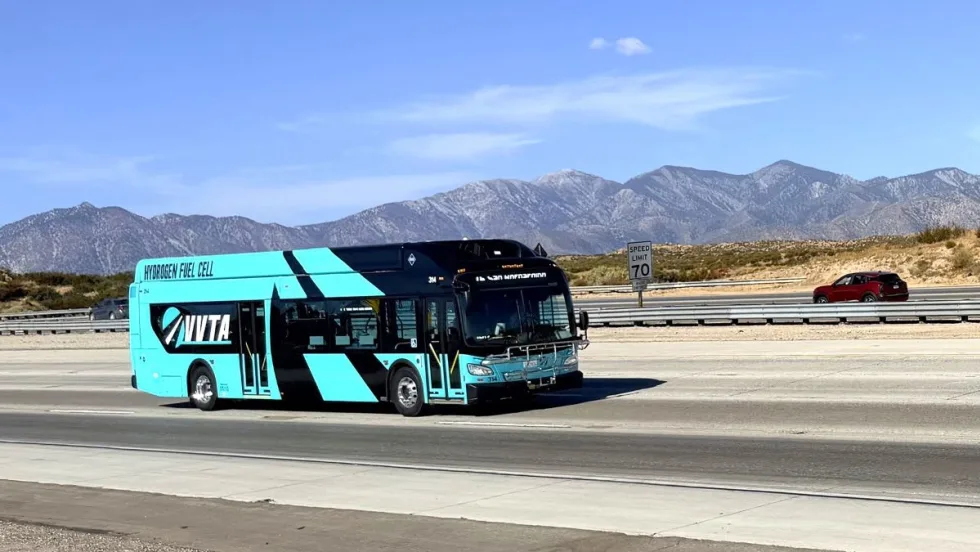
California's VVTA Begins Phased Rollout of Hydrogen Fuel Cell Buses
The agency is introducing 13 zero-emission buses into revenue service while evaluating performance across its urban, rural, and long-distance routes.