



How Refurbishment is Driving Innovation at Everett Transit
By winning one of METRO’s Innovative Solutions Awards for Sustainability, this project underscores a crucial truth: in times of uncertainty, practical solutions often lead the way.

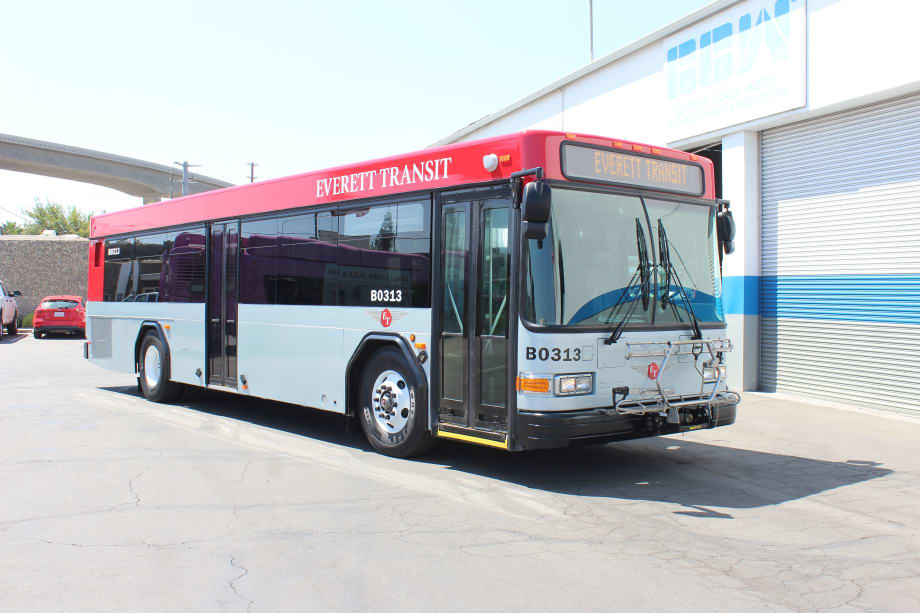
The traditional definition of transit innovation often centers around advanced technologies, zero-emission propulsion, or state-of-the-art manufacturing.
Photo: METRO
- Everett Transit's refurbishment project has won a METRO Innovative Solutions Award for Sustainability.
- The project highlights the importance of practical solutions during uncertain times.
- The award-winning initiative showcases how refurbishment can drive innovation.
*Summarized by AI
In a moment when transit agencies are grappling with aging fleets, long vehicle procurement lead times, and constrained capital budgets, innovation doesn’t always come in the form of a shiny new bus. Sometimes it comes rebuilt on a chassis that has already logged thousands of miles.
That’s precisely what happened at Washington State’s Everett Transit, where a partnership with Complete Coach Works (CCW) turned strategic refurbishment into a model of innovation worth celebrating.
Refurbishment Over Replacement
The traditional definition of transit innovation often centers around advanced technologies, zero-emission propulsion, or state-of-the-art manufacturing.
But Everett Transit, facing a confluence of urgent operational needs, chose a different path rooted in practicality, sustainability, and long-term vision.
Rather than joining the queue for new bus deliveries delayed by global supply chain issues, Everett Transit partnered with CCW to breathe new life into its existing fleet.
Through a comprehensive refurbishment program, aging buses were transformed into like-new assets ready to meet the demands of daily service.
Everett Transit’s decision to pursue refurbishment was driven by a trio of challenges shared by agencies across the country, including:
- Aging fleets that require more frequent and costly repairs.
- Capital limitations that constrain the ability to replace a large number of buses.
- Severe procurement delays stemming from manufacturing backlogs and parts shortages.
The CCW refurbishment program directly addressed all three of these typical challenges. Each bus underwent a detailed assessment, followed by a tailored scope of work focused on safety, reliability, and rider comfort.
A Tailored, Turnkey Approach
The CCW/Everett Transit collaboration wasn’t a one-size-fits-all retrofit, but rather a precision effort.
Each vehicle’s condition and service expectations informed a custom refurbishment plan that included mechanical overhauls to improve performance and reliability, structural restoration to extend lifespan and enhance safety, interior upgrades for a more comfortable riding experience, and rebranding and exterior refinishing to match the agency's aesthetics.
Thanks to CCW’s vertically integrated capabilities, the entire process was executed efficiently and with minimal disruption to service, explained Mark Hollenbeck, CCW's business development manager.
“Together with Everett Transit, we developed a customized scope of work for every vehicle, prioritizing safety, mechanical reliability, and interior upgrades,” he said. “This collaborative approach ensured that every refurbishment aligned with the agency’s service requirements, rider expectations, and budget goals.”
Everett Transit has reported significantly reduced maintenance costs, improved vehicle reliability comparable to that of new buses, enhanced rider satisfaction with better interiors and aesthetics, and increased operational resilience with fewer service interruptions.
Most importantly, the agency maintained consistent, uninterrupted service to the community during a time when many others were forced to scale back due to a lack of operable vehicles.
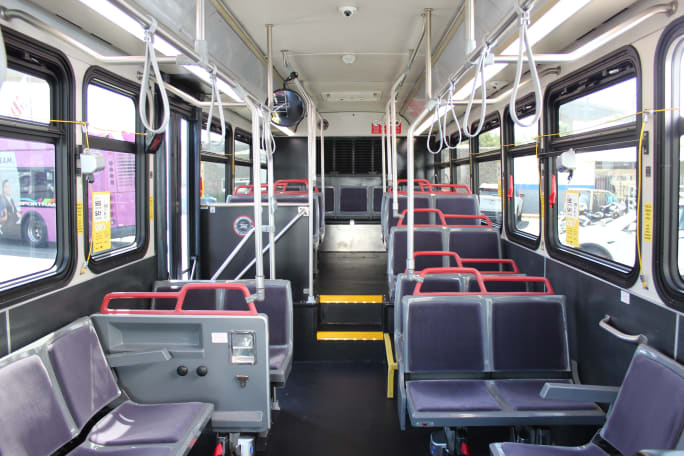
Rather than joining the queue for new bus deliveries delayed by global supply chain issues, Everett Transit partnered with CCW to breathe new life into its existing fleet.
Photo: METRO
Sustainable and Replicable at its Core
In a transit environment increasingly focused on sustainability, CCW’s approach offered Everett Transit an alternative that could help the agency achieve its goals with less financial investment than new, modern buses would have required.
Refurbishing a bus prevents thousands of pounds of raw material waste and reduces the carbon footprint associated with manufacturing and shipping new vehicles.
For Everett Transit, this meant embracing not only operational and budgetary sustainability but also environmental stewardship.
“Refurbishment is a strategic tool for agencies struggling with aging fleets, limited budgets, or procurement delays. We encourage a mindset shift that instead of waiting for new buses, agencies can invest in the resources they already have,” said Hollenbeck. “It’s a scalable, replicable model that protects service continuity while advancing long-term fleet goals.”
By winning one of METRO’s Innovative Solutions Awards for Sustainability, this project underscores a crucial truth: in times of uncertainty, practical solutions often lead the way.
Everett Transit’s embrace of refurbishment was not just a temporary fix but an innovative approach to achieving its goals.
“Everett Transit was thrilled to see this partnership recognized with an innovation award,” said Hollenbeck. “The agency viewed the refurbishment initiative not just as a necessary operational solution, but as a bold step toward rethinking how transit systems can maximize limited resources while still delivering high-quality service.”
Quick Answers
The award highlights exceptional projects that contribute to sustainability, demonstrating practical solutions in challenging times.
*Summarized by AI
More Bus

New York MTA Plans Largest Bus Fleet Upgrade in More Than a Decade
The agency is seeking manufacturers for 650 new CNG buses to replace aging vehicles, improve reliability, and advance its broader fleet modernization strategy.
Read More →
Building a Flexible Path to Transit Electrification
John Hroncich discusses BAE Systems’ modular and scalable approach, lessons learned from decades of real-world operations, and how agencies can identify electrification strategies that fit their fleets.
Read More →
Bus Tech Talk: Keeping Transit Technicians Ahead of the Technology Curve
LA Metro’s Obed Mejia discusses technician training, evolving maintenance technology, fleet replacement, and strategies for getting the most out of today’s transit fleets.
Read More →
Biz Briefs: RIPTA Unveils New Frontrunners, Clevland RTA Adds New Siemens, and More
In METRO's latest installment, we take a look at recent news from Siemens, Prevost, Dodge, and more partnerships making headlines across the transportation sector.
Read More →
People Movement: Holly Arnold Joins Transdev and More
In this edition, we also cover recent appointments and announcements at Pace, CamTran, MCI, and more, showcasing the individuals helping to shape the future of transportation.
Read More →
The High Cost of Transit Buses: Industry Leaders Look to Procurement Reform
Transit leaders and policymakers examine how standardized bus designs, streamlined procurement, and predictable funding could help agencies stretch budgets and deliver better service.
Read More →
The Business Voice Behind Public Transportation
As chair of APTA’s Business Members Board of Governors, Ray Melleady explains how more than 850 business members are partnering with transit agencies to advance funding, innovation, and industry-wide collaboration.
Read More →
From Surviving to Thriving: Building Stronger Transportation Organizations
Bus Business Consultants founder Brian Dickson shares lessons on leadership, organizational health, and creating options for long-term success in a changing transportation industry.
Read More →
Finding the ‘Happy Medium’: Optimizing Maintenance Without Sacrificing Reliability
The key to maintenance optimization isn’t doing less work—it’s doing the right work at the right time on the right assets.
Read More →
LA Metro, City of West Hollywood, and Partners Advance Smarter Bus Lane Enforcement
The award-winning partnership combines AI-powered detection with human oversight to improve bus reliability, accessibility, and enforcement efficiency.
Read More →