



Cleveland opens new University station
The new facility, near Case Western Reserve University, replaces an aging rail station and bus terminal, built in 1956, with a modern facility that significantly improves access for pedestrians and people with disabilities.

The Greater Cleveland Regional Transit Authority (RTA) along with local and federal officials celebrated the opening of the Cedar-University Rapid Station, which will make it easier for transit riders to connect to bus and rail services at one of the city’s busiest transfer locations.
The new station, near Case Western Reserve University, replaces an aging rail station and bus terminal, built in 1956, with a modern facility that significantly improves access for pedestrians and people with disabilities.
The project included complete reconstruction of the rail station and relocation of the bus terminal to the north side of Cedar Glen, eliminating the need for street crossings and enhancing pedestrian connections between the bus terminal and rail station.
“Cleveland deserves a safe, efficient and reliable transit system that meets the needs of its riders, and provides easy and affordable access to jobs and other opportunities throughout Cuyahoga County,” said Acting Federal Transit Administrator Therese McMillan. “This project helps to ensure that University Circle remains a vibrant, attractive neighborhood offering good transportation choices to hard-working families, students and other residents.”
The U.S. Department of Transportation contributed more than $16 million toward the $20 million project, including $10.5 million through its Transportation Investment Generating Economic Recovery grant program and $5.5 million in other FTA grant funds.
The remaining cost was covered by local sources, including the Northeast Ohio Areawide Coordinating Agency and a group of local businesses led by the Cleveland Foundation, including University Circle Inc., Case Western Reserve University, University Hospitals and the Cleveland Clinic.
More Management
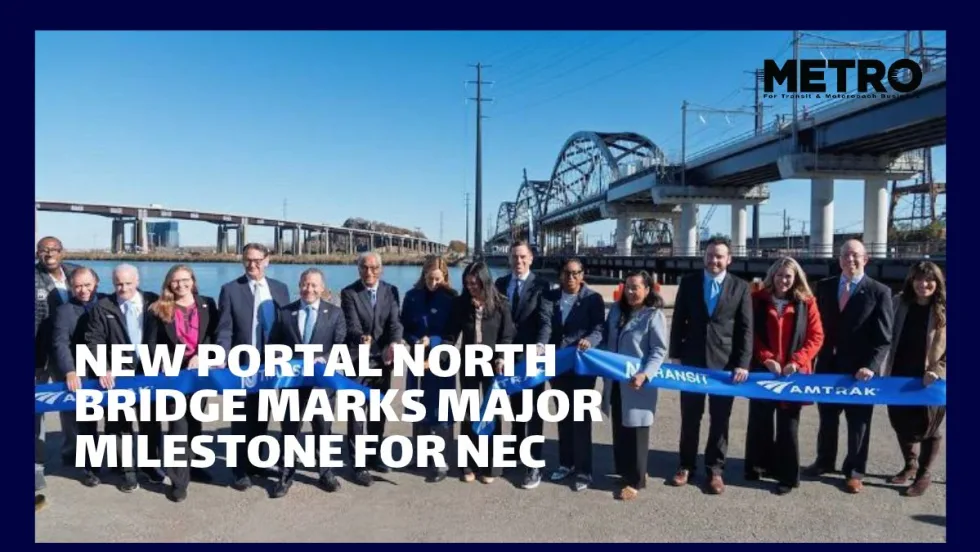
Amtrak, NJ TRANSIT Launch Full Service on New Portal North Bridge
The completion of the two-track bridge over the Hackensack River eliminates a longstanding source of delays for NJ TRANSIT and Amtrak customers. It marks a major milestone for the Gateway Program.
Read More →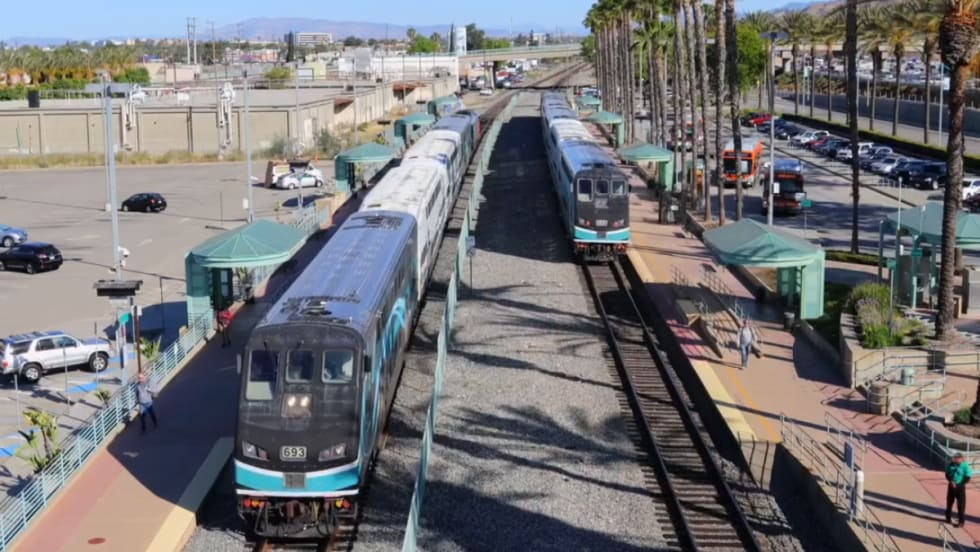
Southern California’s Metrolink Approves $508.8M Budget, Avoids Service Cuts
A $20 million state allocation allows the regional rail agency to maintain existing weekday and weekend service through fiscal year 2028, although longer-term funding challenges remain.
Read More →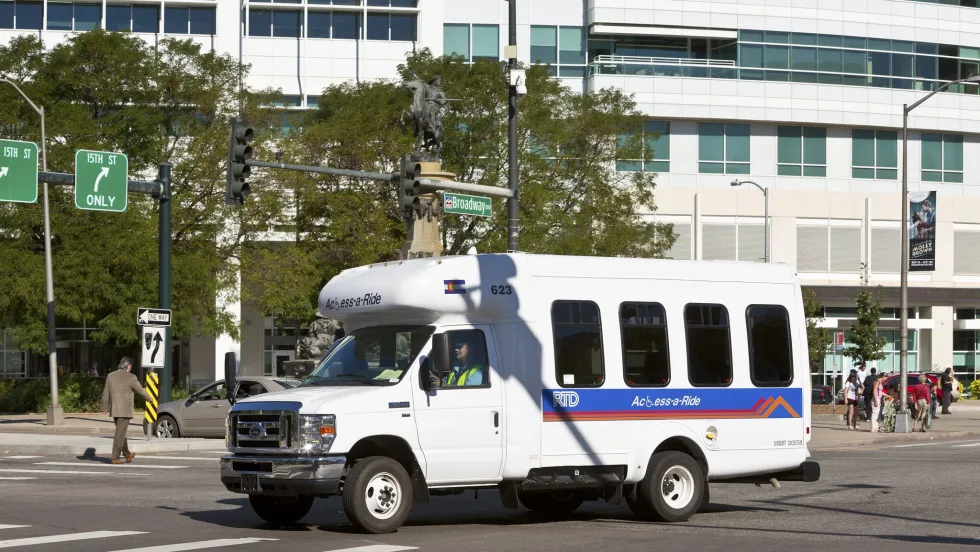
Denver RTD Committee to Review Paratransit Services, Improve Accessibility
The committee will oversee an independent study of paratransit operations, gather customer feedback, and recommend improvements to service reliability, accessibility, and accountability.
Read More →
Castro to Lead RTC of Southern Nevada and More in People Movement
In this edition, we also cover recent appointments and announcements at the STV, MCI, and more, showcasing the individuals helping to shape the future of transportation.
Read More →
STraffic Expands North American Presence with Fare Collection Technology
John Moon, Associate Director, Product Strategy at STraffic, discusses the company's growth in North America, its efforts to reduce fare evasion, and more.
Read More →
Study: Denver RTD Generates $2.1 Billion in Annual Economic Activity
An economic impact study finds the agency supports approximately 17,500 jobs, delivers $1.6 billion in annual community and mobility benefits, and generates $2.42 in economic value for every dollar invested.
Read More →
Mark Aesch Nominated to Lead Federal Transit Administration
The former Rochester transit chief and TransPro founder, who has also contributed to METRO Magazine, brings decades of industry experience and a focus on performance, accountability, and financial sustainability to the nomination.
Read More →
Best and Worst U.S. Cities for Public Transportation in 2026
A new analysis of 50 major U.S. urban areas ranks public transit systems based on accessibility, affordability, usefulness, and safety, highlighting where transit performs best and where challenges remain.
Read More →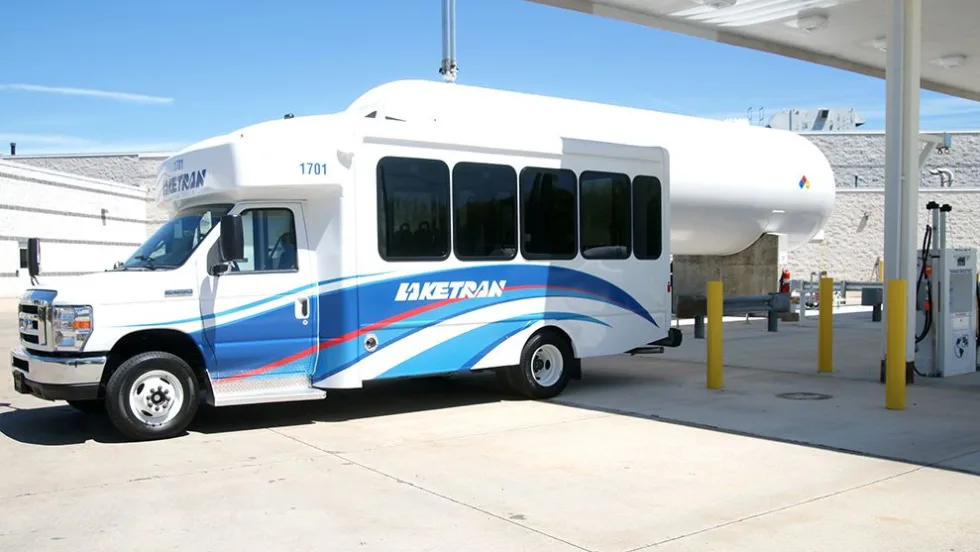
Laketran Cuts Fuel Costs, Boosts Efficiency with Propane-Powered Fleet
The Ohio transit agency is using propane-powered vehicles and on-site fueling infrastructure to cut fuel and maintenance costs while meeting growing demand for paratransit services.
Read More →
Canada’s Public Transit Supports $65.6 Billion in Annual GDP
New research from the Canadian Chamber of Commerce examines transit's economic contributions, including job creation and the financial implications of transportation investment.
Read More →