



Commuter transit benefits to increase
Federal legislation raises maximum per month.

Starting Jan. 1, 2008, businesses will be able to provide employees with tax-free transit commuter benefits of up to $115 a month, according to APTA. The previous maximum allowed was $110 a month.
The amount available for transit commuter benefits is still less than that allotted to parking benefits, which will increase by $5 to $220 a month in 2008. Federal legislation allows an employee to receive transit benefits either by receiving up to $115 a month in tax-free benefits paid by the employer to cover commuting costs on all modes and combinations of public transportation and vanpool commuting costs, or have employees pay for commuting costs using pre-tax payroll deductions of up to $115 per month. A combination of these two programs may also be used.
Employers interested in starting a transit benefit program can find helpful information at the Best Workplaces for Commuters Website, www.bestworkplaces.org, which also lists a variety of companies, including top Fortune 500 companies that offer transit benefits.
For more information on transit benefits, go to http://www.publictransportation.org/reports/asp/pays_to_ride.asp
More Management

Biz Briefs: STV teams with Amtrak, Motorcoach Operators Boost Fleet and Land Contracts, and More
From manufacturers and suppliers to transit agencies and motorcoach operators, these updates offer a snapshot of the projects, partnerships and business moves driving the industry forward.
Read More →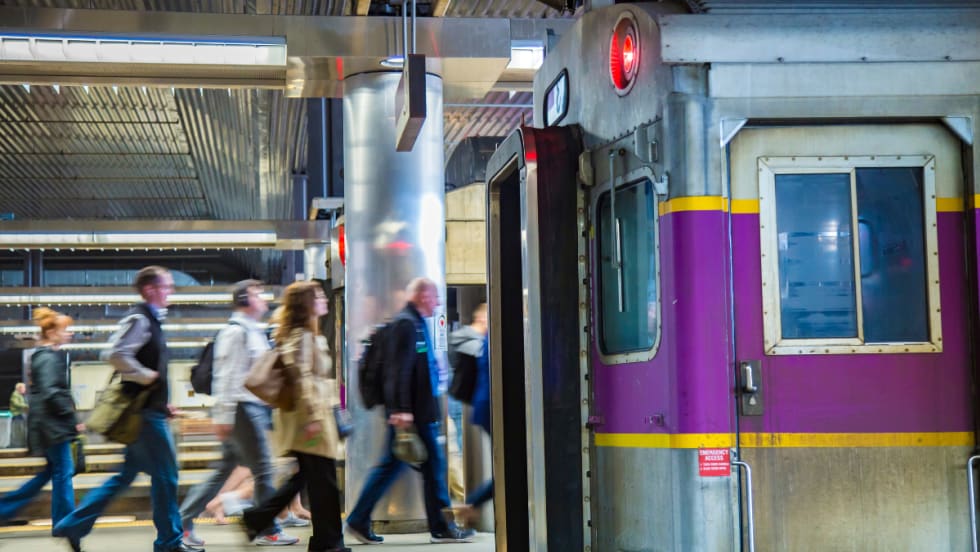
Massachusetts Approves $530M to Strengthen MBTA Operations, Infrastructure
The funding package targets operating stability, capital improvements, and fare affordability, offering a model for agencies navigating long-term funding challenges.
Read More →
LA Metro Marks Banner Year, Sets Ambitious Goals for New Fiscal Year
Incoming LA Metro Board Chair and Los Angeles Mayor Karen Bass joined outgoing Board Chair Fernando Dutra and LA Metro CEO Stephanie Wiggins to review accomplishments from fiscal year 2026, which included the opening of new rail extensions, advancement of major transit projects, expanded safety programs, and new rider amenities.
Read More →
DART Taps Nathaniel P. Ford Sr. as Next President/CEO
Since 2012, Ford has served as the CEO of the Jacksonville Transportation Authority
Read More →
AC Transit’s Cecil Blandon on Building the Next Generation of Transit Maintenance Leaders
The agency’s maintenance chief discusses leadership, workforce development, zero-emission technology, and preparing technicians for the future of public transportation.
Read More →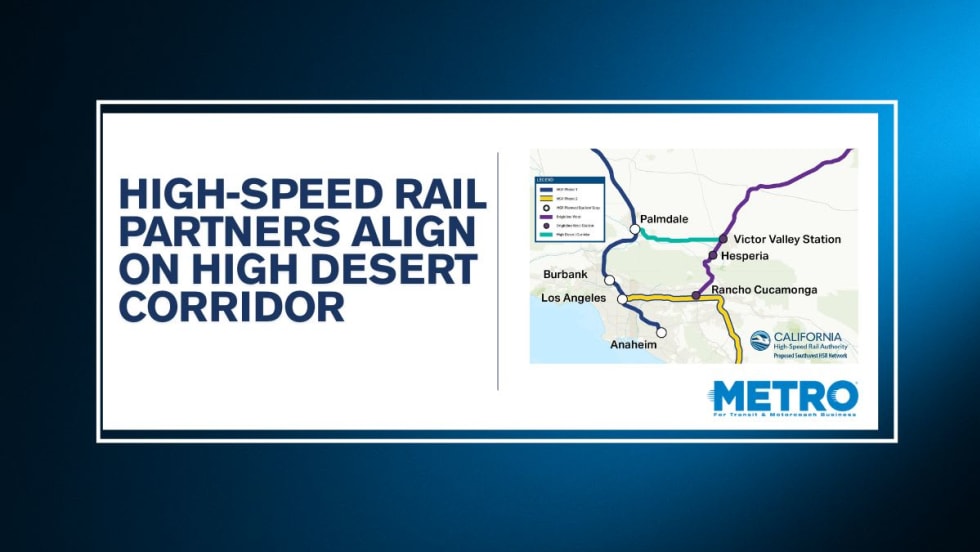
California High-Speed Rail Authority Signs MOU to Advance High Desert Corridor
The agreement deepens collaboration between the California High-Speed Rail Authority and the High Desert Corridor Joint Powers Agency, supporting design integration, cost savings, and faster delivery of a key Southern California rail link.
Read More →
Building the Next Generation of Transit Technology
In this edition of METROspectives, Luminator CEO Magnus Friberg discusses the company's transformation, the growing role of AI and software, and what's next for transit technology.
Read More →
How Data, Strategy, and Community Engagement Are Reshaping Transit
In this edition of METROspectives, strada360 CEO Steve Lassey discusses how transit agencies can better align planning with operations, leverage data to improve decision-making, and build public trust as they prepare for the future of mobility.
Read More →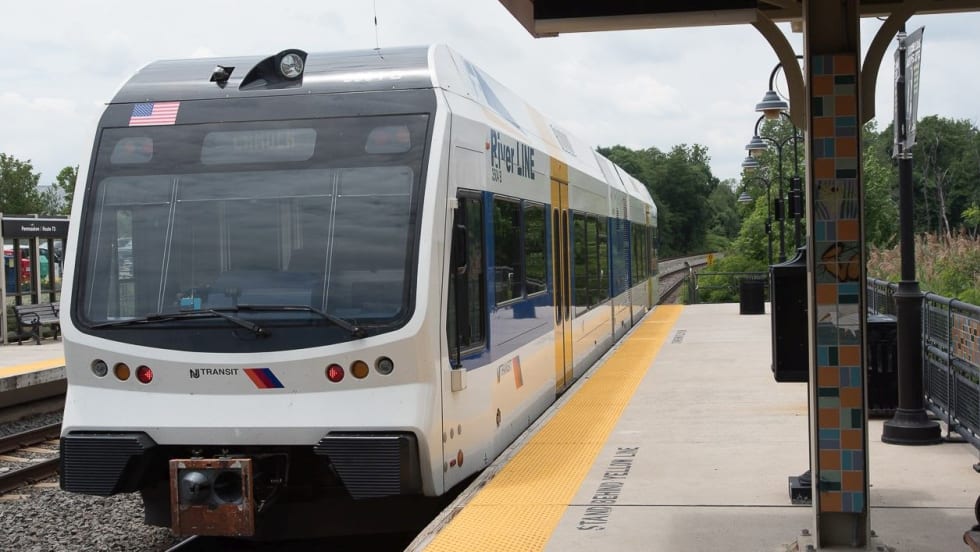
NJ TRANSIT Secures Capital Funding, Adopts FY2027 Budget
The budgets continue investments in infrastructure and equipment to maintain the system in a state of good repair and enhance the overall customer experience.
Read More →
Federal Railroad Administration Study Finds Upgrades Could Boost Penn Station Capacity by One-Third
The study outlines a roadmap for increasing train throughput while preparing Penn Station for future growth across the Northeast Corridor.
Read More →