



Cost of Caltrain Electrification Increases, Project on Track for 2024
The cost will require an additional $462 million over the initial estimate for the project, $129 million over the estimate made by the Federal Transit Administration earlier this year.

Caltrain provides commuter rail service from San Francisco to San Jose, with commute service to Gilroy.
Photo: Caltrain
Caltrain has announced that the Electrification Project cost has increased to $2.44 billion. The cost will require an additional $462 million over the initial estimate for the project, $129 million over the estimate made by the Federal Transit Administration earlier this year.
The project is still expected to be completed by 2024.
“This is an inflection point in the project. The civil work is nearly complete and Caltrain and its partners will be focused on completing the signal, system integration and testing. The Bay Area deserves a modern rail service and that is what we intend to deliver,” said Michelle Bouchard, Caltrain acting executive director. “With this agreement in place, that includes a mix of incentives and rewards for meeting the 2024 date, we are better positioned to complete this critical project.”
The cost increase is a result of negotiations and settlement with Balfour Beatty (BBII), the contractor tasked with the construction of the project and an overall detailed project budget update. The settlement resolves commercial issues and additional costs arising from the extension of the project to 2024.
The detailed overall project budget update reflects COVID-19 related delays, utilities, and real estate work among other items. Both the settlement and budget update were reviewed by outside experts with the goal of setting up the project to achieve cost and project schedule certainty.
“The electrification of Caltrain is of great importance not only to the region, but also the state and country. The project will help address climate change by replacing our aging diesel fleet with high-performance electric trains and creates jobs from California to Utah to Pennsylvania,” said Dev Davis, Caltrain board chair. “While it hasn’t gone as smoothly as we had hoped, we are confident that we are on track towards electrified service in 2024 that will transform how people commute throughout the Bay Area.”
Caltrain is working with its funding partners, as well as its federal and state legislative delegations to fill the funding gap. To date, Caltrain has received an additional $52.4M from the federal government; has access to $150M financing credit and $60M in Measure RR capital reserve towards the funding gap. Both the recently passed Federal Infrastructure and Investment Jobs Act and upcoming State Transportation budget could be additional sources of funding.
Significant progress has been made on the project that began construction in 2017 and continued throughout the pandemic. The civil work is nearly complete, which will remove a large project risk. Over 3,000 foundations are needed for the project and many unforeseen site conditions were discovered when the foundations were drilled into the 150-year-old right of way.
Currently, 95% of the foundations are installed with only 59 remaining. While the traction power facilities approach their completion dates, with all ten to be completed early in 2022, the entire overhead catenary system should be installed by summer 2022. The next phase of project construction will be on signal and system integration work. An electric locomotive will be testing the new catenary system in 2022 and the first cars of the new electric fleet will arrive in spring 2022.
Caltrain said electrification will reduce its greenhouse gas emissions and eliminate the particulate matter caused by the aging diesel engines. Electrified service will lay the foundation to meet the goal of tripling capacity by 2040, the equivalent of carrying 5.5 lanes to U.S. Highway 101.
More Zero Emissions

Building a Flexible Path to Transit Electrification with BAE's John Hroncich
John Hroncich discusses BAE Systems’ modular and scalable approach, lessons learned from decades of real-world operations, and how agencies can identify electrification strategies that fit their fleets.
Read More →
LA Metro Board Awards 220 Battery-Electric Bus Contract to ENC
The contract, which is the largest base award of battery-electric buses by a U.S. transit agency, will be built in Southern California, sustaining good jobs as LA prepares to welcome the world in 2028
Read More →
Public Transit Conference Returning to GFX in 2027, Call for Papers Now Open
The Call for Papers is now open, allowing transit agency professionals and industry experts to help shape the PTC educational program by submitting session ideas for consideration.
Read More →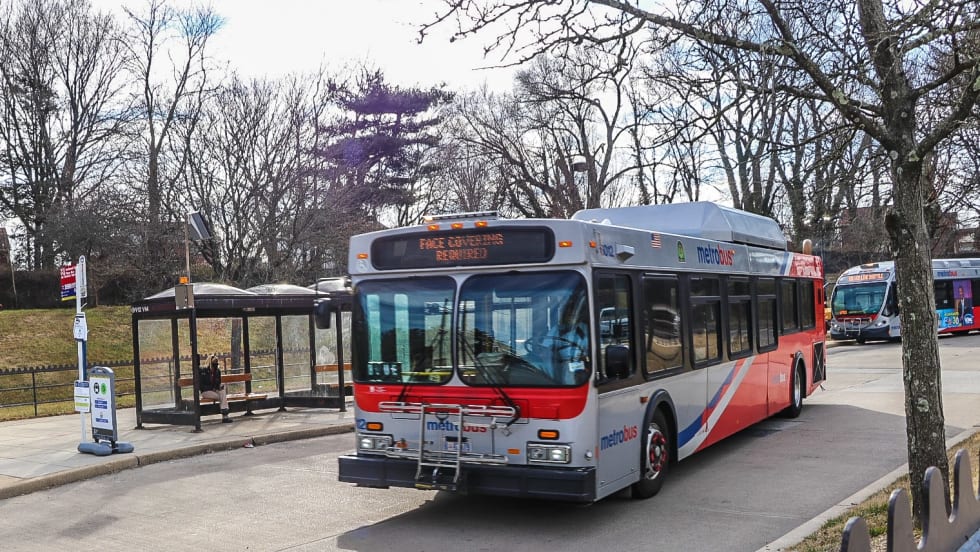
Report: Transit Bus Manufacturing Supports 34,100 Jobs, $5.1B in GDP
The “Buses Mean Business” report examines the transit bus manufacturing industry’s economic footprint, supply chain, and rising demand for vehicle replacements.
Read More →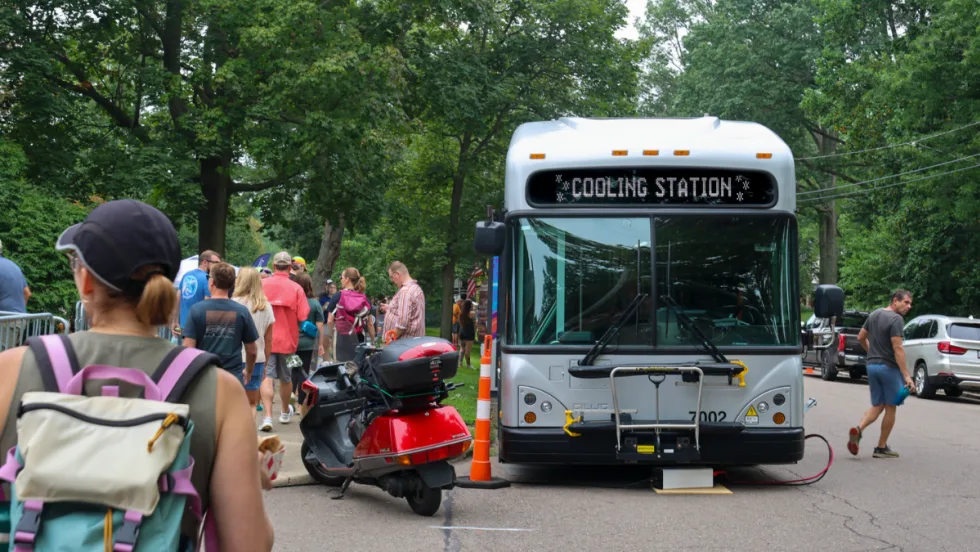
Ohio’s METRO RTA Turns Electric Buses into Mobile Power Sources at PorchROKR
See how three Gillig battery-electric buses powered festival stages while the agency’s new Park & Ride service carried approximately 1,000 attendees, demonstrating another potential use for transit agencies’ electric fleets.
Read More →
CALSTART and Forth Combine to Form Catalyst Mobility
The new name represents a renewed vision for the nonprofit focused on advancing clean, equitable, and affordable transportation solutions that move people and goods.
Read More →
Building a Flexible Path to Transit Electrification
John Hroncich discusses BAE Systems’ modular and scalable approach, lessons learned from decades of real-world operations, and how agencies can identify electrification strategies that fit their fleets.
Read More →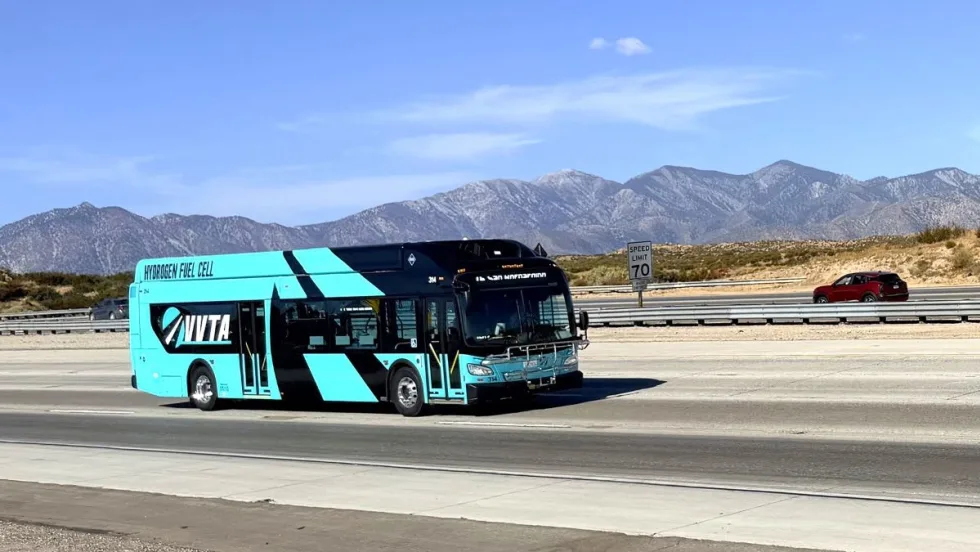
California's VVTA Begins Phased Rollout of Hydrogen Fuel Cell Buses
The agency is introducing 13 zero-emission buses into revenue service while evaluating performance across its urban, rural, and long-distance routes.
Read More →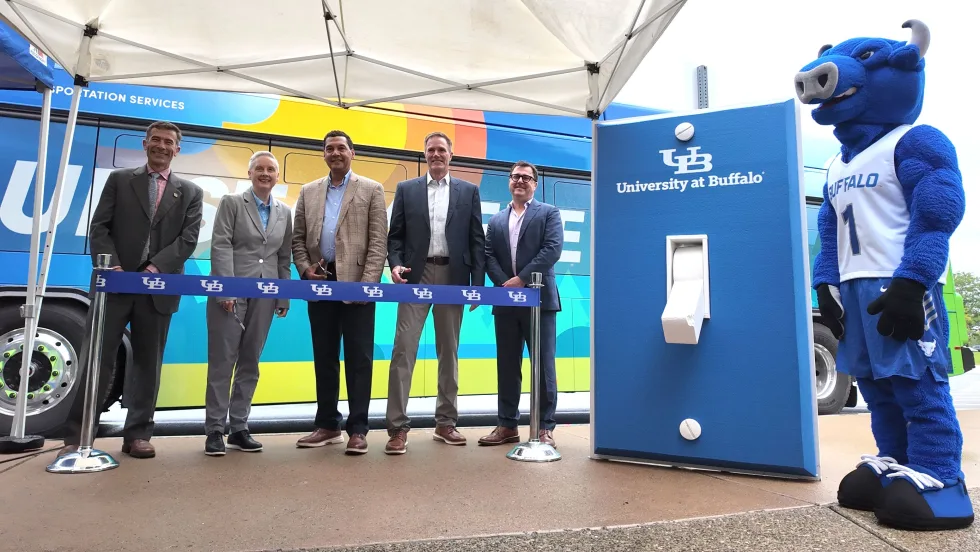
Inside Look: University at Buffalo Puts First 8 Electric Buses Into Stampede Service
UB, transportation solutions provider WeDriveU, and fleet electrification specialist Zenobē marked the deployment in the presence of students, university administrators, and local officials.
Read More →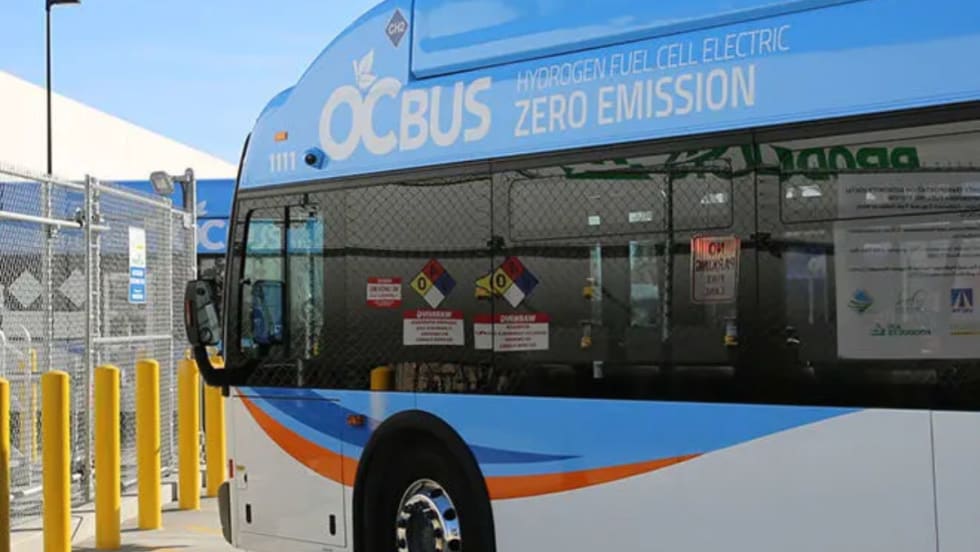
Biz Briefs: OCTA Taps Clean Energy for Hydrogen Station, Stadler to Supply Via Rail Vehicles, and More
From manufacturers and suppliers to transit agencies and motorcoach operators, these updates offer a snapshot of the projects, partnerships and business moves driving the industry forward.
Read More →