



CTA Begins Testing Next-Gen Bus Farebox System
The current fareboxes, in use for over 30 years, are being replaced with a more modern, on-board bus operating system that provides riders with an improved user experience.

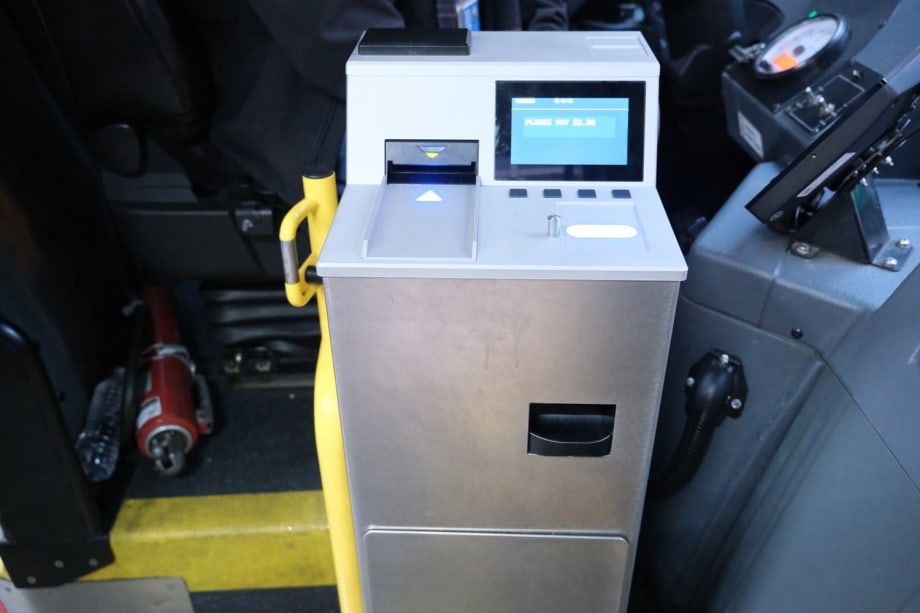
The next-generation farebox features a new customer display screen and audio signals similar to the Ventra card validators on the rail system.
Photo: CTA
The Chicago Transit Authority (CTA) announced it has begun testing new fareboxes on in-service buses, before gradually rolling them out fleet-wide.
The current fareboxes, in use for over 30 years, are being replaced with a more modern, on-board bus operating system that provides riders with an improved user experience, especially those paying with cash, and will also facilitate more efficient operations at CTA’s bus garages.
“Updating the farebox systems is greatly needed to modernize the front- and back-ends of our bus operations,” said CTA President Dorval R. Carter, Jr. “We are always striving to provide our customers with a more convenient travel experience, in this case, that includes improved fare transactions, as well as well as more reliable equipment.”
CTA Next-Gen Fareboxes
The next-generation farebox features a new customer display screen and audio signals similar to the Ventra card validators on the rail system.
The updated system can report ridership data and revenue and identify farebox defects. These new upgrades will improve the efficiency of CTA’s data collection.
The initial roll-out of the program will entail the installation and field testing of 100 updated buses through spring. The equipment will be installed on buses operating out of CTA’s Chicago Avenue Garage on the West Side, which serves some of the agency’s highest ridership routes including #12 Roosevelt, #20 Madison, #53 Pulaski, #65 Grand, and #66 Chicago.
The CTA has a fleet of more than 1,800 buses, systemwide. Following the successful testing of the first 100 buses, CTA will begin rolling out the equipment to the remaining bus fleet beginning in the summer and through the end of the year.
The Chicago Transit Board approved the awarding of the roughly $41 million contract to Scheidt & Bachmann during its October 2022 meeting, following a competitive procurement process.
The contract value includes costs for the new equipment, software, and installation, as well as five years of ongoing support with a warranty and the option to extend in the future.
More Bus

New York MTA Plans Largest Bus Fleet Upgrade in More Than a Decade
The agency is seeking manufacturers for 650 new CNG buses to replace aging vehicles, improve reliability, and advance its broader fleet modernization strategy.
Read More →
Building a Flexible Path to Transit Electrification
John Hroncich discusses BAE Systems’ modular and scalable approach, lessons learned from decades of real-world operations, and how agencies can identify electrification strategies that fit their fleets.
Read More →
Bus Tech Talk: Keeping Transit Technicians Ahead of the Technology Curve
LA Metro’s Obed Mejia discusses technician training, evolving maintenance technology, fleet replacement, and strategies for getting the most out of today’s transit fleets.
Read More →
Biz Briefs: RIPTA Unveils New Frontrunners, Clevland RTA Adds New Siemens, and More
In METRO's latest installment, we take a look at recent news from Siemens, Prevost, Dodge, and more partnerships making headlines across the transportation sector.
Read More →
People Movement: Holly Arnold Joins Transdev and More
In this edition, we also cover recent appointments and announcements at Pace, CamTran, MCI, and more, showcasing the individuals helping to shape the future of transportation.
Read More →
The High Cost of Transit Buses: Industry Leaders Look to Procurement Reform
Transit leaders and policymakers examine how standardized bus designs, streamlined procurement, and predictable funding could help agencies stretch budgets and deliver better service.
Read More →
The Business Voice Behind Public Transportation
As chair of APTA’s Business Members Board of Governors, Ray Melleady explains how more than 850 business members are partnering with transit agencies to advance funding, innovation, and industry-wide collaboration.
Read More →
From Surviving to Thriving: Building Stronger Transportation Organizations
Bus Business Consultants founder Brian Dickson shares lessons on leadership, organizational health, and creating options for long-term success in a changing transportation industry.
Read More →
Finding the ‘Happy Medium’: Optimizing Maintenance Without Sacrificing Reliability
The key to maintenance optimization isn’t doing less work—it’s doing the right work at the right time on the right assets.
Read More →
LA Metro, City of West Hollywood, and Partners Advance Smarter Bus Lane Enforcement
The award-winning partnership combines AI-powered detection with human oversight to improve bus reliability, accessibility, and enforcement efficiency.
Read More →