



CTE Partners with California’s Humboldt Transit Authority to Go Electric
CTE played a key role in field demonstration to determine range and operating capability, assisted in grant writing, and will continue to serve as a subcontractor to help ensure success and mitigate risks associated with the deployment.

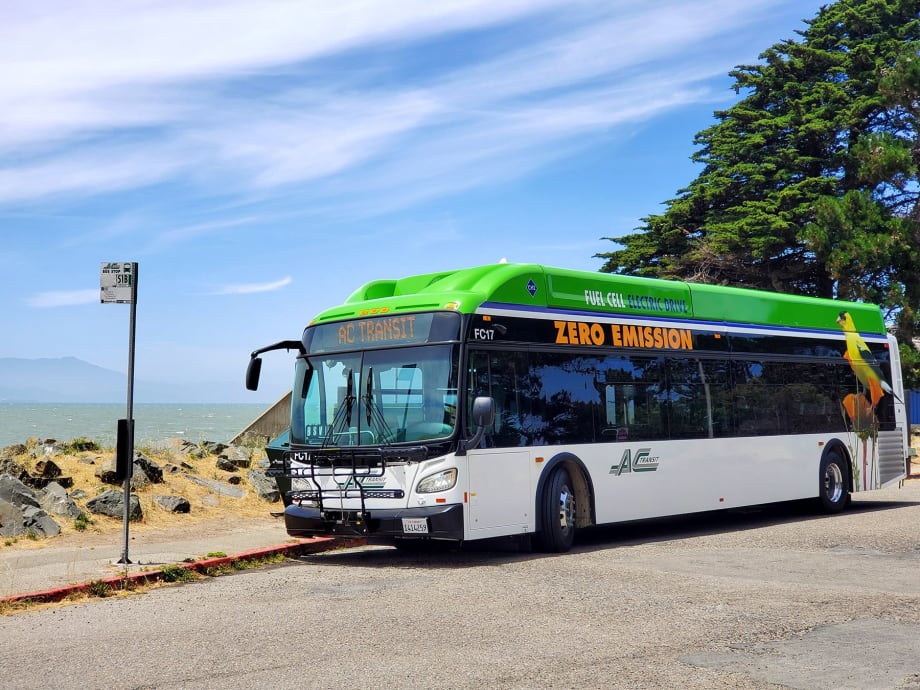
Humboldt will deploy 11 New Flyer fuel cell electric buses (FCEBS), similar to AC Transit FCEB shown here.
CTE/AC Transit
With the support of the Center for Transportation and the Environment (CTE), the Humboldt Transit Authority (HTA) has been awarded a $38.7M grant from the California State Transportation Agency’s Transit and Intercity Rail Capital Program (TIRCP) to deploy 11 New Flyer fuel cell electric buses (FCEBs) and a hydrogen fueling station at HTA’s facility in Eureka, California.
CTE played a key role in field demonstration to determine range and operating capability, assisted in grant writing, and will continue to serve as a subcontractor to help ensure success and mitigate risks associated with the deployment.
Humboldt County currently operates a fleet of 53 buses, serving 600,000 riders a year. Replacing 11 diesel buses with hydrogen fuel cell electric buses will eliminate more than 120,000 gallons of diesel annually and expand intercity bus service between Eureka and Ukiah, which in turn improves the connection with Sonoma County’s SMART Train and fills service gaps left by Amtrak and Greyhound.
Founding Director of the Schatz Energy Research Center (SERC) at Cal Poly Humboldt, Peter Lehman and SERC staff led the effort to prepare HTA’s application for the $38.7M grant, with assistance from CTE.
“We’re delighted to be teaming with HTA, CTE, and other project partners on this pioneering project,” Lehman said. “The Schatz Center has been working on hydrogen technology for over 30 years — first with SunLine Transit in Southern California and then with AC Transit in the Bay Area. Now, we’re bringing the technology home. Introducing zero-emission buses and hydrogen fueling infrastructure here in Humboldt County is a dream come true.”
The future of the North Coast requires significantly expanding transit services to meet its citizens’ needs. To meet those needs equitably, this project will serve numerous census tracts with multiple population-characteristic burdens that are higher than the state median, including extremely high poverty, unemployment, and housing burden scores.
Climate change impacts are also a major concern in the region, from wildfires to sea level rise around Humboldt Bay, where many of the North Coast’s citizens live. The project will enable HTA to take aggressive action to mitigate these impacts by beginning to transition their fleet to zero-emission buses and catalyzing the development of hydrogen fueling infrastructure in the area.
In addition to enhancing transit connectivity through Northern California, this project includes the construction of an intermodal transit and housing facility in downtown Eureka. The Eureka Regional Transit and Housing Center — EaRTH Center — will integrate local and intercity bus service with carshare, rideshare, bicycle paths, and pedestrian travel, as well as provide workforce and student housing, a childcare center, retail, and open space co-located with transit at the center.
More Zero Emissions

Caltrain’s Electrification Drives a New Era of Ridership Growth
The railroad’s shift to electric service has brought more frequent trains, stronger customer satisfaction, and increased ridership, earning it APTA’s Outstanding Public Transportation System award.
Read More →
Building a Flexible Path to Transit Electrification with BAE's John Hroncich
John Hroncich discusses BAE Systems’ modular and scalable approach, lessons learned from decades of real-world operations, and how agencies can identify electrification strategies that fit their fleets.
Read More →
LA Metro Board Awards 220 Battery-Electric Bus Contract to ENC
The contract, which is the largest base award of battery-electric buses by a U.S. transit agency, will be built in Southern California, sustaining good jobs as LA prepares to welcome the world in 2028
Read More →
Public Transit Conference Returning to GFX in 2027, Call for Papers Now Open
The Call for Papers is now open, allowing transit agency professionals and industry experts to help shape the PTC educational program by submitting session ideas for consideration.
Read More →
Report: Transit Bus Manufacturing Supports 34,100 Jobs, $5.1B in GDP
The “Buses Mean Business” report examines the transit bus manufacturing industry’s economic footprint, supply chain, and rising demand for vehicle replacements.
Read More →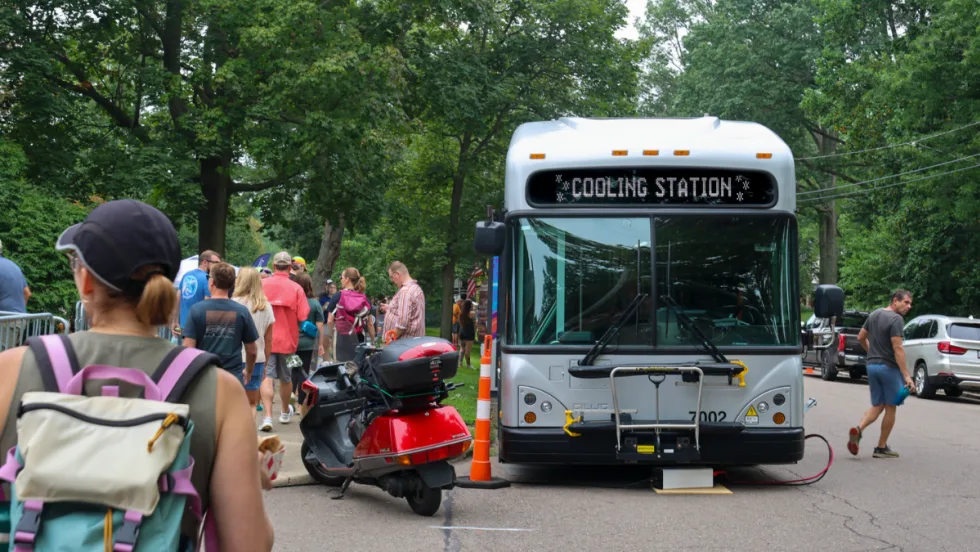
Ohio’s METRO RTA Turns Electric Buses into Mobile Power Sources at PorchROKR
See how three Gillig battery-electric buses powered festival stages while the agency’s new Park & Ride service carried approximately 1,000 attendees, demonstrating another potential use for transit agencies’ electric fleets.
Read More →
CALSTART and Forth Combine to Form Catalyst Mobility
The new name represents a renewed vision for the nonprofit focused on advancing clean, equitable, and affordable transportation solutions that move people and goods.
Read More →
Building a Flexible Path to Transit Electrification
John Hroncich discusses BAE Systems’ modular and scalable approach, lessons learned from decades of real-world operations, and how agencies can identify electrification strategies that fit their fleets.
Read More →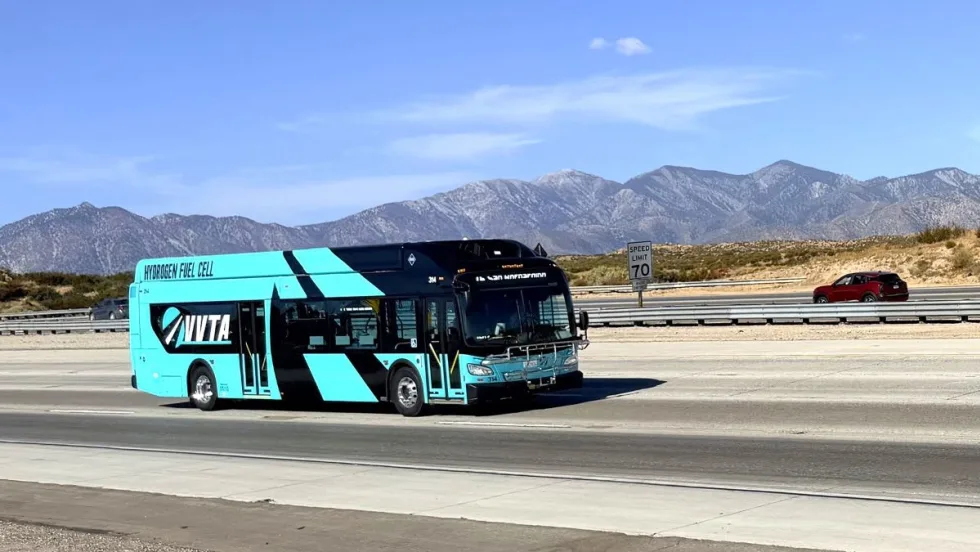
California's VVTA Begins Phased Rollout of Hydrogen Fuel Cell Buses
The agency is introducing 13 zero-emission buses into revenue service while evaluating performance across its urban, rural, and long-distance routes.
Read More →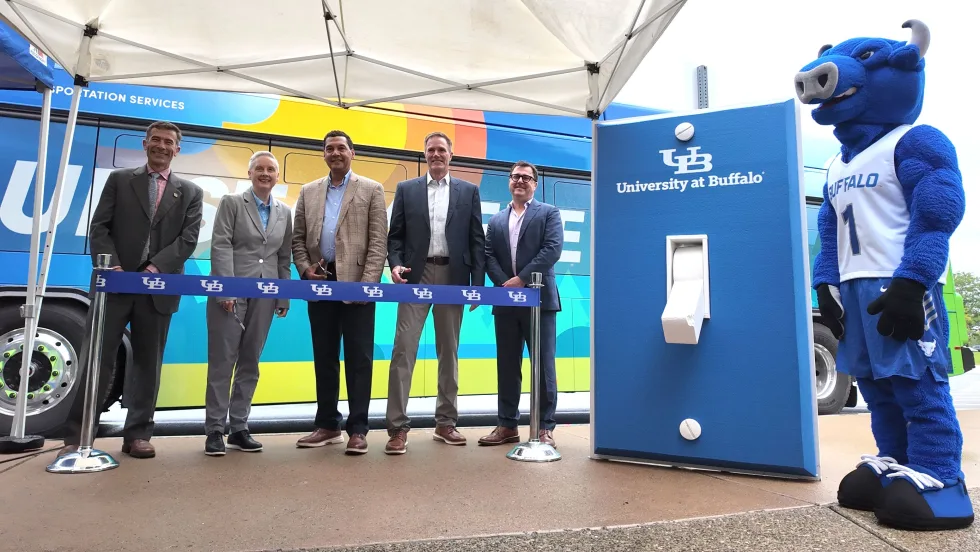
Inside Look: University at Buffalo Puts First 8 Electric Buses Into Stampede Service
UB, transportation solutions provider WeDriveU, and fleet electrification specialist Zenobē marked the deployment in the presence of students, university administrators, and local officials.
Read More →