



EPA Releases New GHG Standards for Buses, Trucks
The standards will avoid one billion tons of greenhouse gas emissions and provide $13 billion in annualized net benefits to society related to public health, the climate, and savings for truck owners and operators, according to the EPA.

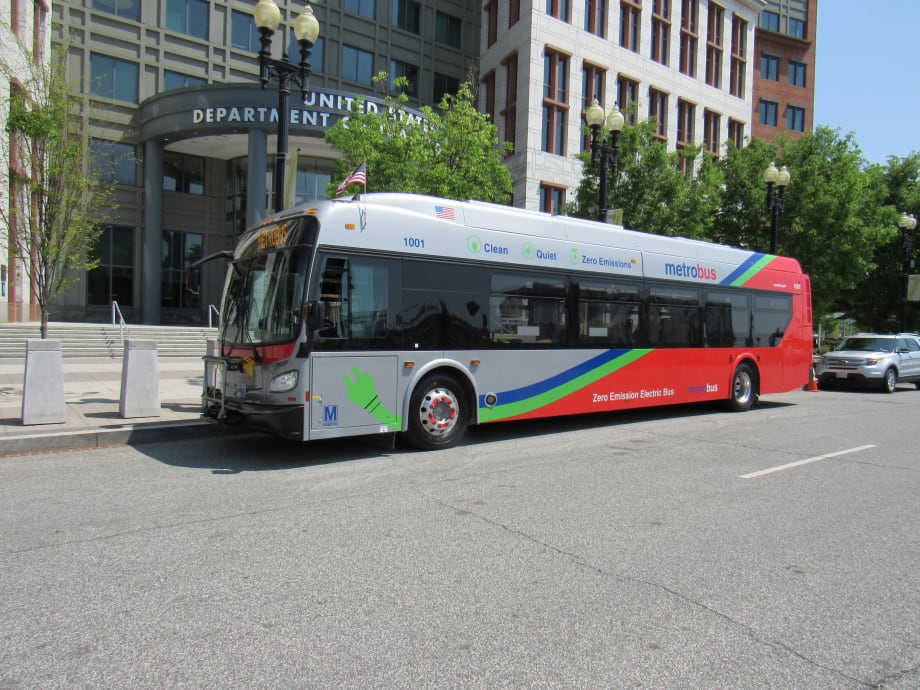
EPA’s latest modeling shows that the final standards will result in greater reductions of pollution than the proposed rule, while providing more time and flexibility for manufacturers to develop, scale, and deploy clean heavy-duty vehicle technologies.
Photo: New Flyer
The U.S. Environmental Protection Agency (EPA) announced final national greenhouse gas pollution standards for heavy-duty vehicles, including buses and freight trucks, for model years 2027 through 2032.
The standards will avoid one billion tons of greenhouse gas emissions and provide $13 billion in annualized net benefits to society related to public health, the climate, and savings for truck owners and operators, according to the EPA.
The final standards will also reduce dangerous air pollution, especially for the 72 million people in the U.S. who live near truck freight routes, bear the burden of higher levels of pollution, and are more likely to be people of color or come from low-income households.
EPA Standards “Phase 3”
The “Greenhouse Gas Emissions Standards for Heavy-Duty Vehicles - Phase 3” standards will provide greater certainty for industry, while catalyzing private investment, supporting U.S. manufacturing jobs in advanced vehicle technologies, and invigorating and strengthening the U.S. economy. Over the next decade, these final standards, paired with President Biden’s historic Investing in America agenda and investments in U.S. manufacturing, will set the U.S. heavy-duty sector on a trajectory for sustained growth, the EPA said in a press release.
EPA’s latest modeling shows that the final standards will result in greater reductions of pollution than the proposed rule, while providing more time and flexibility for manufacturers to develop, scale, and deploy clean heavy-duty vehicle technologies. The one billion tons of greenhouse gas emissions avoided by these standards is equivalent to the emissions from more than 13 million tanker trucks’ worth of gasoline.
“In finalizing these emissions standards for heavy-duty vehicles like trucks and buses, EPA is significantly cutting pollution from the hardest working vehicles on the road,” said EPA Administrator Michael S. Regan. “Building on our recently finalized rule for light- and medium-duty vehicles, EPA’s strong and durable vehicle standards respond to the urgency of the climate crisis by making deep cuts in emissions from the transportation sector.”
Heavy-Duty Vehicle Greenhouse Gas Standards
“Phase 3” standards build on EPA’s Heavy-Duty Phase 2 program from 2016 and maintain that program’s flexible structure, which is designed to reflect the diverse nature of the heavy-duty vehicle industry.
The standards are technology-neutral and performance-based, allowing each manufacturer to choose what set of emissions control technologies is best suited for them and the needs of their customers.
Available technologies include advanced internal combustion engine vehicles, hybrid vehicles, plug-in hybrid electric vehicles, battery electric vehicles, and hydrogen fuel-cell vehicles. These new standards apply to heavy-duty vocational vehicles, including transit, shuttle, and school buses, and tractors.
Relative to the proposal, EPA’s final rule provides more time in the early model years of the program for the development of vehicle technologies and deployment of charging and refueling infrastructure. The final rule also includes flexibilities that will assist manufacturers in meeting the standards in the early years of the program while preserving incentives for early adoption of advanced technologies.
EPA received extensive feedback on the proposed rule, including over 175,000 public comments, testimony at public hearings, and engagement with stakeholder groups. The final standards were informed by the best available data and information in the public record and rigorous technical assessments, including consideration of the extensive public input EPA received in response to the proposed rulemaking.
More Zero Emissions
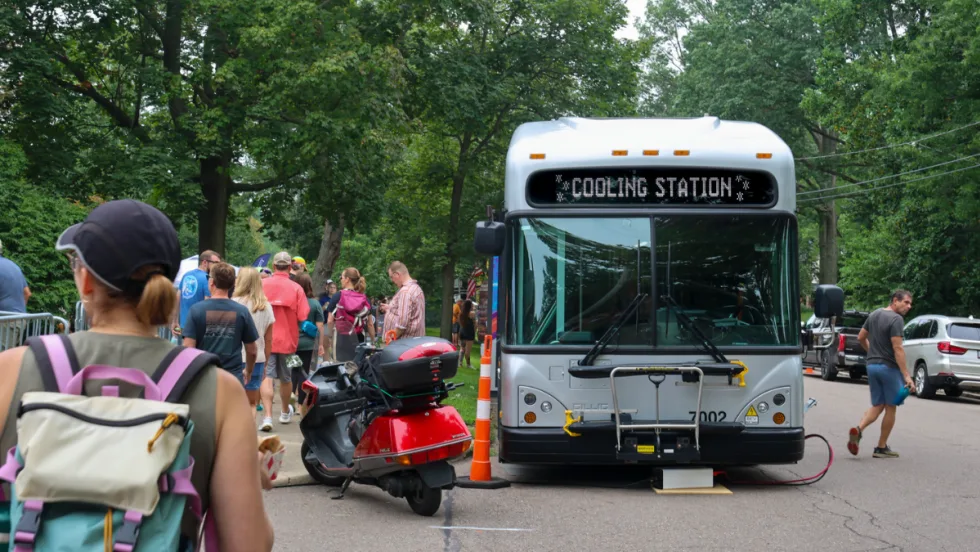
Ohio’s METRO RTA Turns Electric Buses into Mobile Power Sources at PorchROKR
See how three Gillig battery-electric buses powered festival stages while the agency’s new Park & Ride service carried approximately 1,000 attendees, demonstrating another potential use for transit agencies’ electric fleets.
Read More →
CALSTART and Forth Combine to Form Catalyst Mobility
The new name represents a renewed vision for the nonprofit focused on advancing clean, equitable, and affordable transportation solutions that move people and goods.
Read More →
Building a Flexible Path to Transit Electrification
John Hroncich discusses BAE Systems’ modular and scalable approach, lessons learned from decades of real-world operations, and how agencies can identify electrification strategies that fit their fleets.
Read More →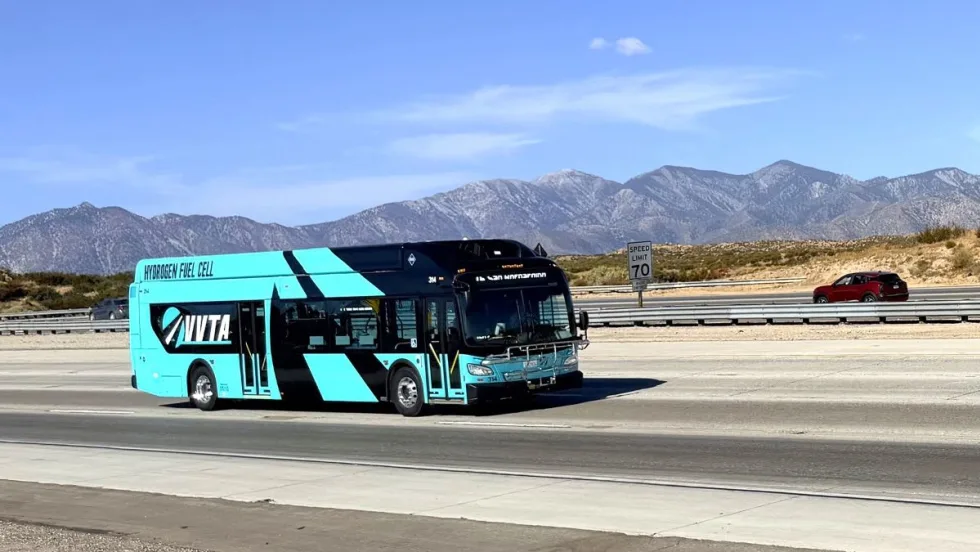
California's VVTA Begins Phased Rollout of Hydrogen Fuel Cell Buses
The agency is introducing 13 zero-emission buses into revenue service while evaluating performance across its urban, rural, and long-distance routes.
Read More →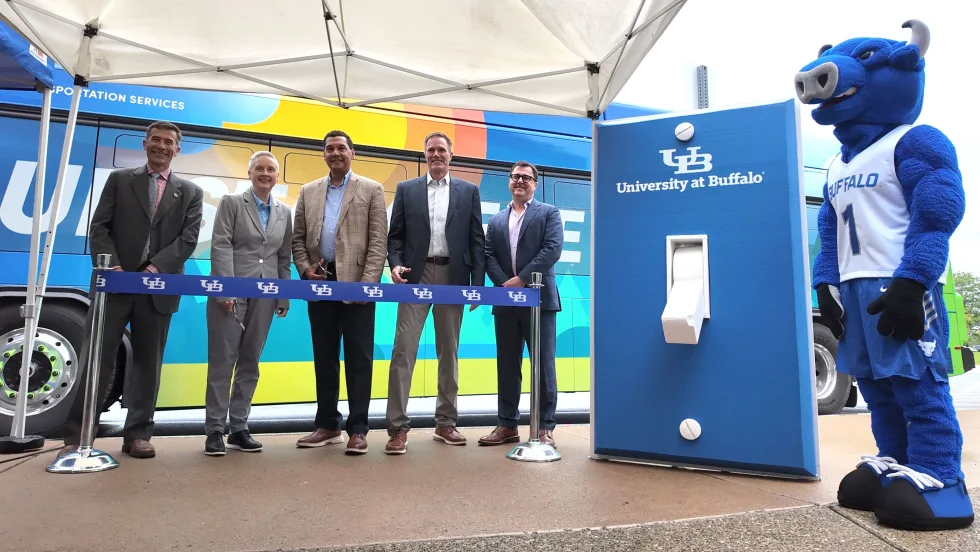
Inside Look: University at Buffalo Puts First 8 Electric Buses Into Stampede Service
UB, transportation solutions provider WeDriveU, and fleet electrification specialist Zenobē marked the deployment in the presence of students, university administrators, and local officials.
Read More →
Biz Briefs: OCTA Taps Clean Energy for Hydrogen Station, Stadler to Supply Via Rail Vehicles, and More
From manufacturers and suppliers to transit agencies and motorcoach operators, these updates offer a snapshot of the projects, partnerships and business moves driving the industry forward.
Read More →
AC Transit’s Cecil Blandon on Building the Next Generation of Transit Maintenance Leaders
The agency’s maintenance chief discusses leadership, workforce development, zero-emission technology, and preparing technicians for the future of public transportation.
Read More →
CTDOT Taps STV for Electric Bus Facility Design
The firm will work with CTDOT and RVT to define the facility layout, operational requirements, and long-term flexibility for RVT’s growing electric fleet.
Read More →
Chicago’s Pace Deploys 24 Hybrid-Electric Buses in Will County
The new buses reduce emissions and fuel consumption while advancing the agency's long-term goal of transitioning to a fully zero-emission fleet.
Read More →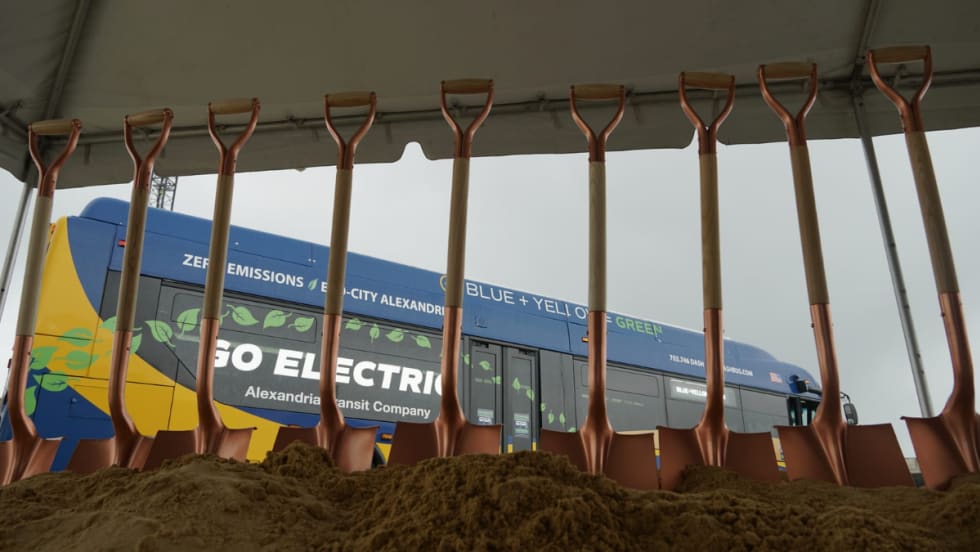
DASH Breaks Ground on First On-Route Electric Bus Chargers in D.C. Region
The fast-charging infrastructure will help extend electric bus range, improve fleet utilization, and support DASH's goal of transitioning to a fully zero-emission fleet.
Read More →