




Want More? MCTS to Update New Fare Collection System
Federal, Local Funding Brings New Clean Diesel Buses to MCTS Riders
MCTS will retire 73 buses federally recognized as past their useful life, replacing each with an advanced clean diesel bus by fall.
August 15, 2022
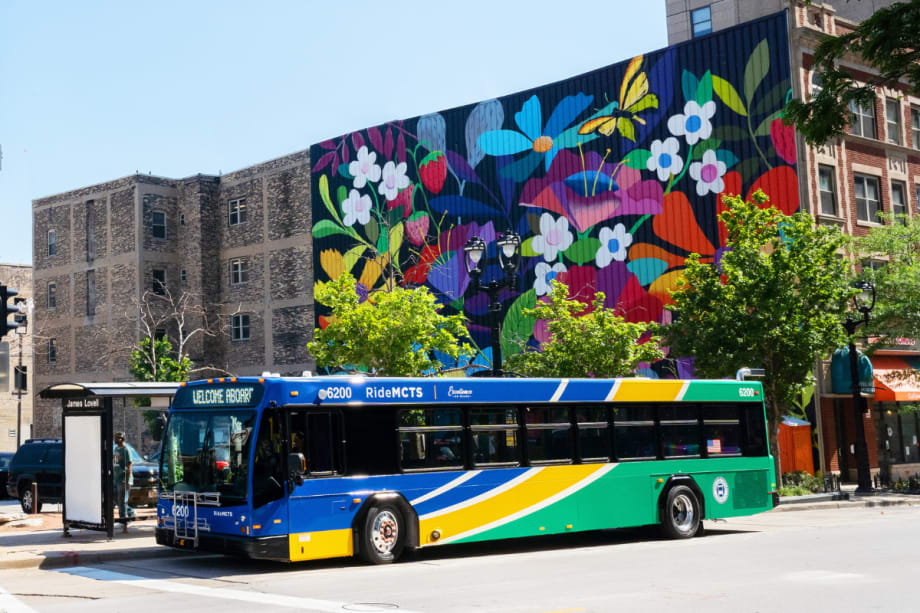
The investment in more fuel-efficient and cleaner air buses enables MCTS to continue transforming its fleet in alignment with Milwaukee County’s health and environmental sustainability initiatives.
Photo: MCTS
2 min to read
Milwaukee County Transit System (MCTS) announced the arrival of 73 new clean diesel buses resulting from federal and local funding sources.
The investment in more fuel-efficient and cleaner air buses enables MCTS to continue transforming its fleet in alignment with Milwaukee County’s health and environmental sustainability initiatives. MCTS will retire 73 buses federally recognized as past their useful life, replacing each with an advanced clean diesel bus by fall.
Denise Wandke, interim managing director of MCTS, thanked legislators for their efforts to help modernize Milwaukee County’s fleet, promote cleaner air, and address the climate crisis through transit investment.
“This is the work of our regional FTA office, Congresswoman Gwen Moore and U.S. Senator Tammy Baldwin, Milwaukee County Board of Supervisors and the Southeastern Wisconsin Regional Planning Commission (SEWRPC) in supporting Milwaukee County’s applications for funding,” said Wandke. “Our riders and the entire community will benefit from more environmentally-friendly transit.”
Wandke outlined the formula grants for the funding appropriated for the purchases:
$3.9M of federal funds and $3.2M of local funds were used to purchase 14 clean diesel buses in 2021.
59 clean diesel buses were purchased with $25.4M of federal funds and $6.3M of local funds in 2022.
“Clean air is a key component to giving residents’ every opportunity to enjoy good health. If simply walking outside your front door puts you at risk of breathing harmful toxins, it makes it much more difficult to manage your individual health,” said David Crawley, Milwaukee county executive. “Often, air quality is worse in communities of color which have historically been underserved when it comes to environmental protections. “In Wisconsin, Black residents face the largest disparity being exposed to about 41 percent more particulate pollution than the average resident. Elevated exposure to particulate matter air pollution shortens lives, increases cancer risks, and contributes to heart attacks, respiratory problems, and strokes. By replacing aging buses with new, more efficient ones we’ll improve air quality on our neighborhood blocks for all our residents.”
The new 6100 and 6200 series joining the MCTS fleet meet all federal emission standards. They are equipped with a filter designed to remove particulate matter or soot from diesel emissions. Other features are consistent with the 28 new Gillig buses welcomed in 2019, including improved fuel economy, lower emissions, optimized driver visibility, anti-slip flooring, digital display signs, and a stainless-steel understructure designed to reduce salt corrosion. The buses also have heated side mirrors which will help melt snow and ice.
All 334 buses in MCTS’s fleet are now clean diesel.
More Zero Emissions
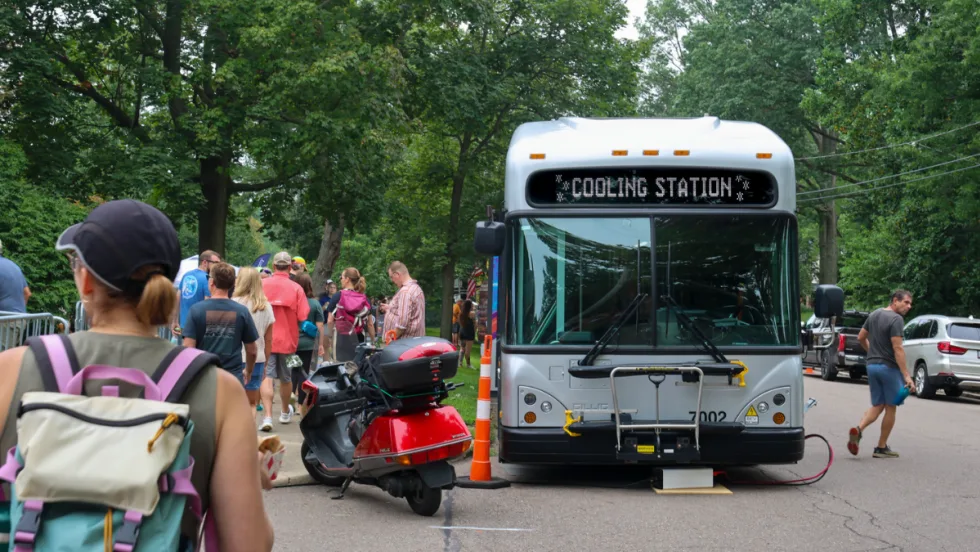
Ohio’s METRO RTA Turns Electric Buses into Mobile Power Sources at PorchROKR
See how three Gillig battery-electric buses powered festival stages while the agency’s new Park & Ride service carried approximately 1,000 attendees, demonstrating another potential use for transit agencies’ electric fleets.
Read More →
CALSTART and Forth Combine to Form Catalyst Mobility
The new name represents a renewed vision for the nonprofit focused on advancing clean, equitable, and affordable transportation solutions that move people and goods.
Read More →
Building a Flexible Path to Transit Electrification
John Hroncich discusses BAE Systems’ modular and scalable approach, lessons learned from decades of real-world operations, and how agencies can identify electrification strategies that fit their fleets.
Read More →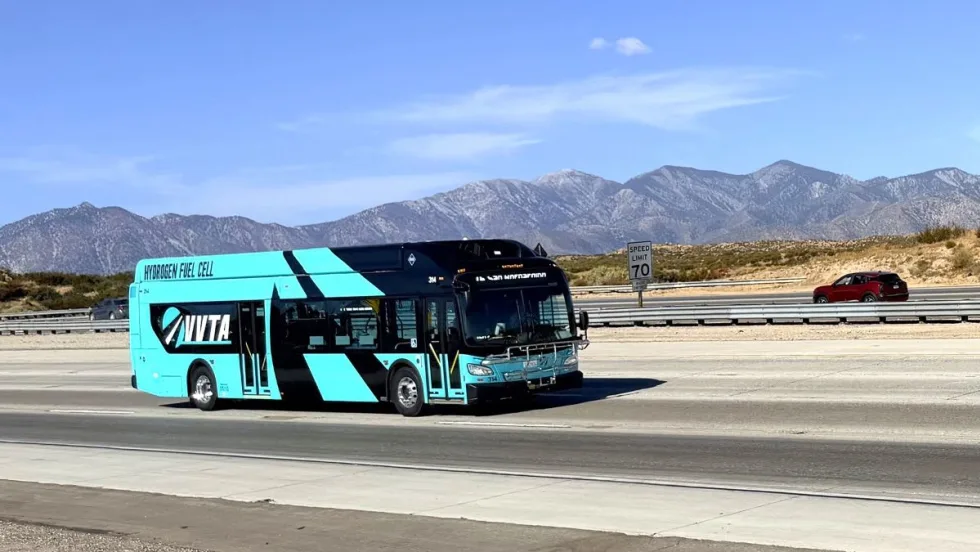
California's VVTA Begins Phased Rollout of Hydrogen Fuel Cell Buses
The agency is introducing 13 zero-emission buses into revenue service while evaluating performance across its urban, rural, and long-distance routes.
Read More →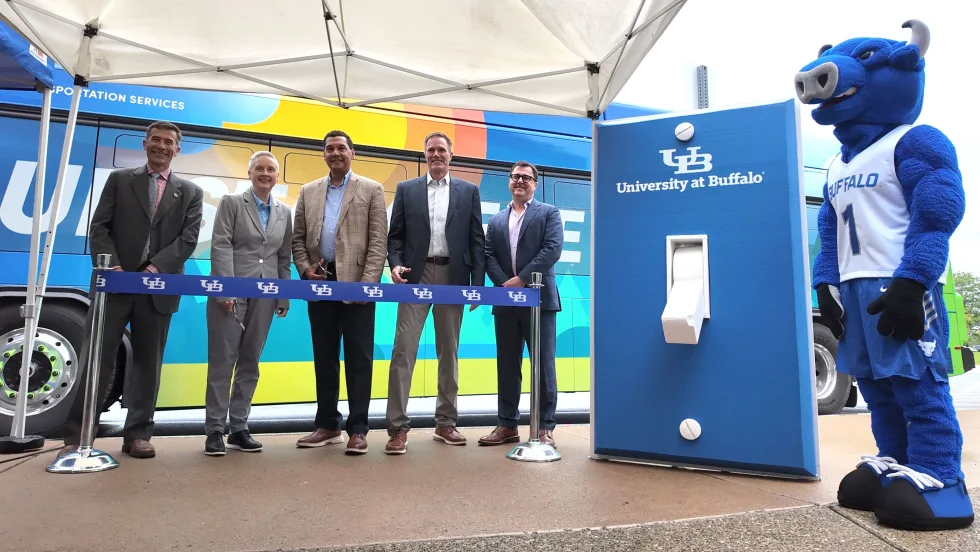
Inside Look: University at Buffalo Puts First 8 Electric Buses Into Stampede Service
UB, transportation solutions provider WeDriveU, and fleet electrification specialist Zenobē marked the deployment in the presence of students, university administrators, and local officials.
Read More →
Biz Briefs: OCTA Taps Clean Energy for Hydrogen Station, Stadler to Supply Via Rail Vehicles, and More
From manufacturers and suppliers to transit agencies and motorcoach operators, these updates offer a snapshot of the projects, partnerships and business moves driving the industry forward.
Read More →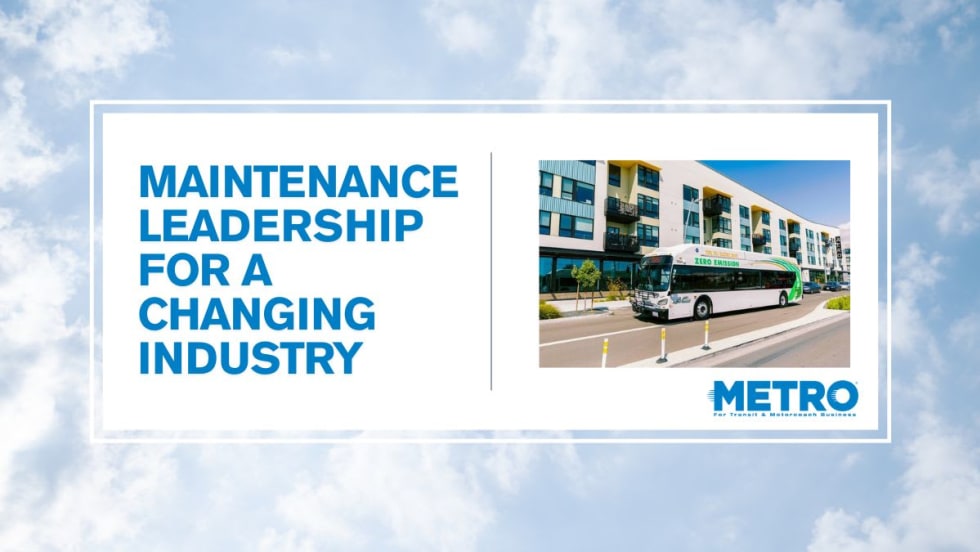
AC Transit’s Cecil Blandon on Building the Next Generation of Transit Maintenance Leaders
The agency’s maintenance chief discusses leadership, workforce development, zero-emission technology, and preparing technicians for the future of public transportation.
Read More →
CTDOT Taps STV for Electric Bus Facility Design
The firm will work with CTDOT and RVT to define the facility layout, operational requirements, and long-term flexibility for RVT’s growing electric fleet.
Read More →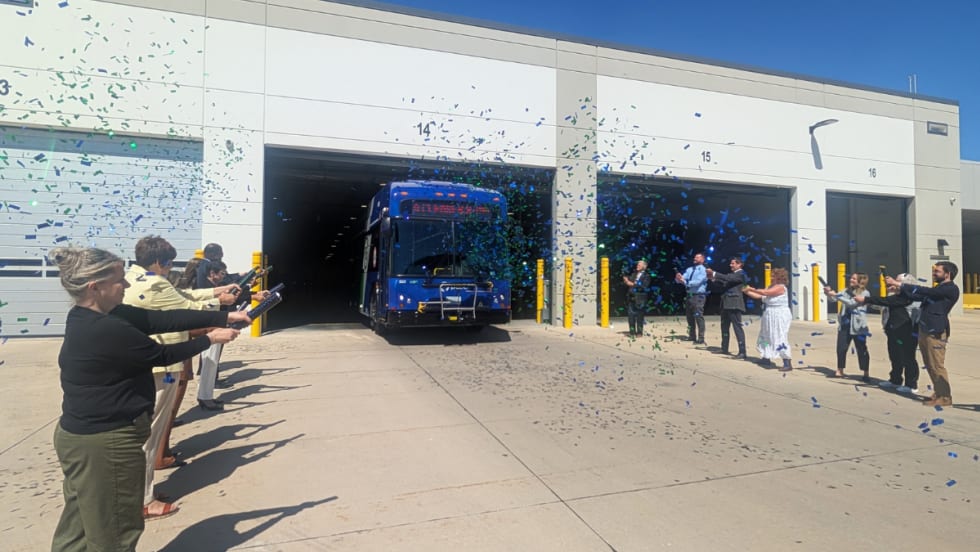
Chicago’s Pace Deploys 24 Hybrid-Electric Buses in Will County
The new buses reduce emissions and fuel consumption while advancing the agency's long-term goal of transitioning to a fully zero-emission fleet.
Read More →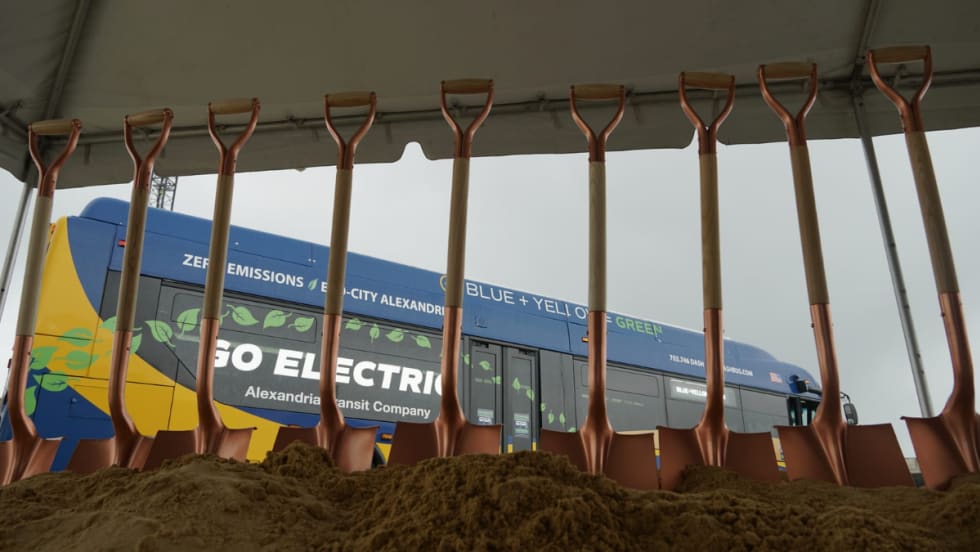
DASH Breaks Ground on First On-Route Electric Bus Chargers in D.C. Region
The fast-charging infrastructure will help extend electric bus range, improve fleet utilization, and support DASH's goal of transitioning to a fully zero-emission fleet.
Read More →