




RELATED: Transit agency use of battery-electric buses evolves
Ford, Indianapolis launch crowdsource program to improve mobility
Offers residents the opportunity to share experiences and suggest ideas for how to solve their most pressing mobility problems.
March 21, 2019

Residents participate in a City:One Challenge community workshop, brainstorming new ideas to improve mobility.
Ford Motor Co.
2 min to read

Residents participate in a City:One Challenge community workshop, brainstorming new ideas to improve mobility.
Ford Motor Co.
Ford and the City of Indianapolis are launching the Indianapolis City:One Challenge, a co-creation and crowdsourcing program for residents, businesses, and community groups to propose and pilot solutions that improve mobility.
As cities like Indianapolis evolve and new technologies take shape, the way people move around is changing. Locally, city leaders are looking to encourage more people to use public transit by making it more accessible, efficient, and affordable. With IndyGo, the city aims to direct economic growth by building an inclusive and optimal mobility system through investments that improve transit service hours, update fare systems, and introduce rapid transit this year.
The City:One Challenge is designed to complement the city’s efforts by facilitating a collaborative process with the community, offering residents the opportunity to share their experiences and suggest ideas for how to solve their most pressing mobility problems. The goal is to help improve the quality of life for Indianapolis residents and visitors through dynamic mobility options that complement the existing transportation system.
“A thriving city needs public transit that is reliable, affordable, and accessible to all, and we come much closer to these goals when we successfully engage the community and stakeholders in the conversation,” said Indianapolis Mayor Joe Hogsett.
Throughout the eight-month City:One Challenge program, those who live, work, and play in Indianapolis are invited to explore dynamic mobility options focused around their top needs. Ford and Challenge partners also will assist with the community collaboration process and help support the challenge prize of up to $100,000 to fund pilots that test the top solutions.
Indianapolis is the first city to launch the City:One Challenge in 2019. Each challenge is tailored to the specific city or county and is focused on addressing its unique needs.
Ford launched its city challenge platform in 2018 with Pittsburgh, Miami-Dade County, and Grand Rapids, Michigan. The three challenges resulted in ongoing pilots addressing issues ranging from long, inefficient student pickup lines at schools to safer transportation methods for night shift workers who must travel during non-traditional hours.
More New Mobility
What Multimodal Data Can Tell Transit Agencies About Rider Demand
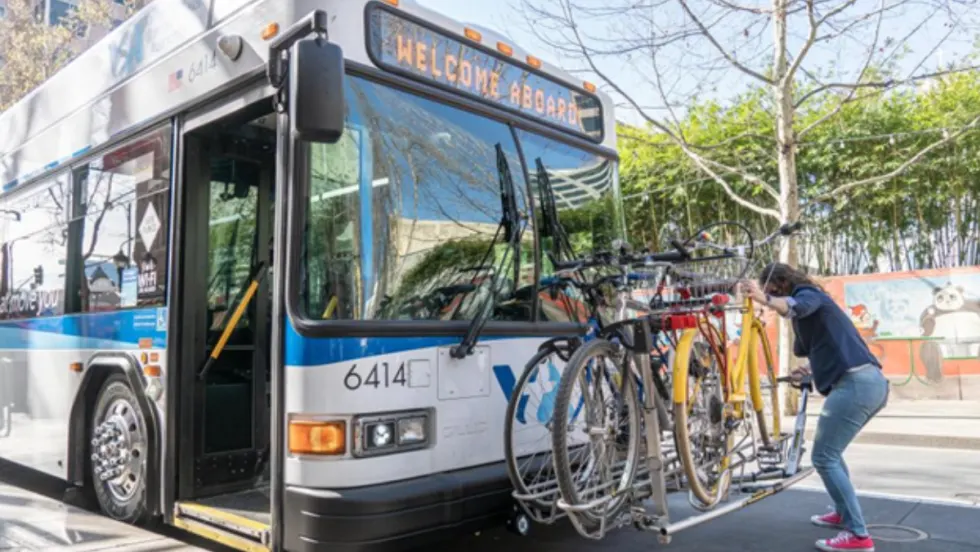
See how bike-on-bus data is giving transit agencies new insight into rider demand, capacity constraints, and gaps in first- and last-mile connections.
Read More →
From Hardware to Digital Partner: Luminator Charts Its Next Chapter
CEO Magnus Friberg discusses Luminator’s shift toward becoming a digital partner, the growing importance of software and interoperability, and how AI can help agencies improve operations and passenger experience.
Read More →
Biz Briefs: Alstom Lands Canadian Contract, LYT to Supply California TSP, and More
In METRO's latest installment, we take a look at recent news from Complete Coach Works, Beep, FlixBus, and more partnerships making headlines across the transportation sector.
Read More →
CharterUP’s Armir Harris on Technology, AI, and the Future of Group Mobility
In a recent episode of METROspectives, CharterUP Founder/CEO Armir Harris discussed the company’s evolution from an online charter bus marketplace into a technology platform supporting public- and private-sector mobility and much more.
Read More →
Jacksonville’s NAVI Project Charts a New Course for Autonomous Public Transportation
Through its NAVI program, JTA is showing how autonomous vehicles, intelligent infrastructure, and coordinated operations can work together to deliver everyday public transportation.
Read More →
Biz Briefs: Luminator Marks Milestone and More
From manufacturers and suppliers to transit agencies and motorcoach operators, these updates offer a snapshot of the projects, partnerships and business moves driving the industry forward.
Read More →
New Tricks for Old Bureaucracies: Joshua Schank on Making Transit Innovation Stick
Former LA Metro Chief Innovation Officer Joshua Schank discusses why good ideas aren't enough, how transit agencies can overcome resistance to change, and why today's challenges demand more innovation.
Read More →
How DART's GoPass Is Redefining Regional Mobility
Serving 14 transit agencies, GoPass simplifies multimodal travel by allowing riders to plan, pay for, and manage an entire trip through one app.
Read More →
Biz Briefs: OCTA Taps Clean Energy for Hydrogen Station, Stadler to Supply Via Rail Vehicles, and More
From manufacturers and suppliers to transit agencies and motorcoach operators, these updates offer a snapshot of the projects, partnerships and business moves driving the industry forward.
Read More →CharterUP Expands Into New Mobility and Autonomous Transportation
Vice President of New Mobility Stephen Joos discusses how CharterUP is leveraging its nationwide transportation network, technology platform, and autonomous vehicle partnerships to expand into workforce mobility, campus shuttles, and transit solutions.
Read More →