



FTA Awards $182M in Low or No Emission Grants
A total of 49 projects in 46 states and territories will receive funding through the program.
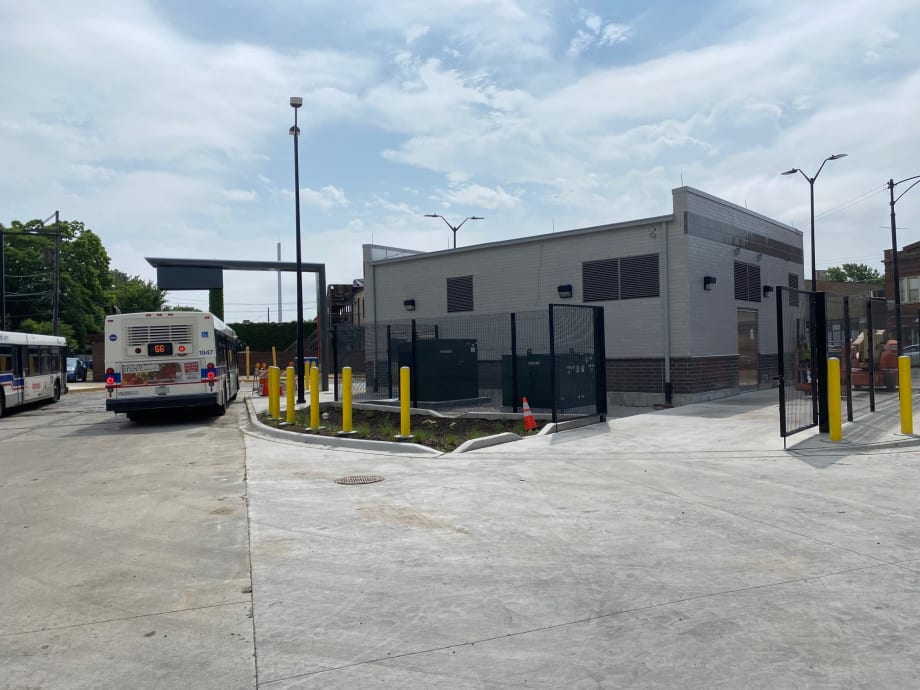
The Chicago Transit Authority will receive nearly $7 million to purchase battery electric buses and charging equipment, upgrade its Southside bus depot and provide workforce training.
Proterra
The Federal Transit Administration (FTA) announced approximately $182 million in funding for low and no emissions buses and the facilities that support them. The program helps contribute to the Biden-Harris Administration’s goal of reducing greenhouse gas emissions by 50% by the end of the decade.
The project selections were approved as part of the Low- or No-Emission (Low-No) Grant program, which funds the deployment of zero-emission and low-emission transit buses and supporting equipment and facilities. A total of 49 projects in 46 states and territories will receive funding through the program.
“Public transit connects people to jobs, services, and loved ones — and when our transit buses produce low or zero emissions, it’s an even bigger win for communities,” said U.S. Transportation Secretary Pete Buttigieg. “There is overwhelming demand to support low and no emission transit all around the country — in both rural and urban areas — and meeting this need is a matter of climate responsibility and public health.”
FTA’s Low-No Program supports transit agencies in purchasing or leasing low- or no-emission buses and other transit vehicles that use technologies such as battery-electric and fuel-cell power to provide cleaner, more efficient transit service in communities across the country. This year’s funding opportunity prioritized applications with an environmental justice component as well as those that support workforce development to help America’s transit workers succeed even as their jobs change along with technology.
A few examples of 2021 Low-No grant projects include:
The Chicago Transit Authority (CTA) will receive nearly $7 million to purchase battery electric buses and charging equipment, upgrade its Southside bus depot and provide workforce training. The electric buses will replace CTA’s oldest diesel buses and reduce greenhouse gases in communities that have experienced air pollution and other environmental health hazards, improving public health and quality of life.
The Port Authority of Allegheny County in Pittsburgh, Pa., will receive $5.1 million to purchase electric chargers and make improvements at its East Liberty Garage to support future electric buses as part of its planned bus rapid transit system. By retrofitting the garage to service electric buses, the agency will also lower pollution in the surrounding community.
The Regional Transportation Commission (RTC) of Washoe County in Washoe County, Nev., will receive nearly $6.5 million to purchase hydrogen fuel cell-electric buses and construct a hydrogen fueling facility to improve service reliability and air quality for residents in the Reno-Sparks metropolitan area. The project also supports RTC’s efforts to transition its aging diesel bus fleet to zero emission vehicles to reduce energy consumption and greenhouse gas emissions in an area where ozone levels currently exceed air quality targets.
The Salt River Pima-Maricopa Indian Community’s Salt River Transit, which provides transit service to Native American communities in and around Scottsdale, Mesa and Tempe, Ariz., will receive $611,840 to replace diesel-powered transit vehicles that have reached the end of their useful life with battery electric vehicles as well as install charging stations. The community seeks to reduce carbon monoxide pollution to improve air quality and quality of life in their EPA-designated non-attainment area.
Eligible applicants for Low-No funding included public transit agencies, state transportation departments, and Indian Tribes. Projects were evaluated based on criteria defined in federal law and in the Notice of Funding Opportunity, including the applicant’s demonstration of need, project benefits and implementation strategies, and capacity for completing the project.
More Zero Emissions
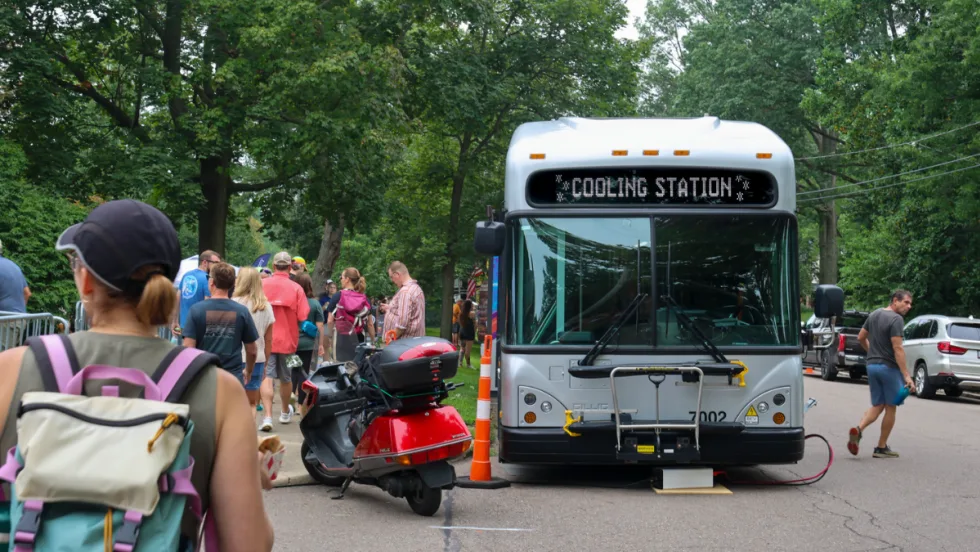
Ohio’s METRO RTA Turns Electric Buses into Mobile Power Sources at PorchROKR
See how three Gillig battery-electric buses powered festival stages while the agency’s new Park & Ride service carried approximately 1,000 attendees, demonstrating another potential use for transit agencies’ electric fleets.
Read More →
CALSTART and Forth Combine to Form Catalyst Mobility
The new name represents a renewed vision for the nonprofit focused on advancing clean, equitable, and affordable transportation solutions that move people and goods.
Read More →
Building a Flexible Path to Transit Electrification
John Hroncich discusses BAE Systems’ modular and scalable approach, lessons learned from decades of real-world operations, and how agencies can identify electrification strategies that fit their fleets.
Read More →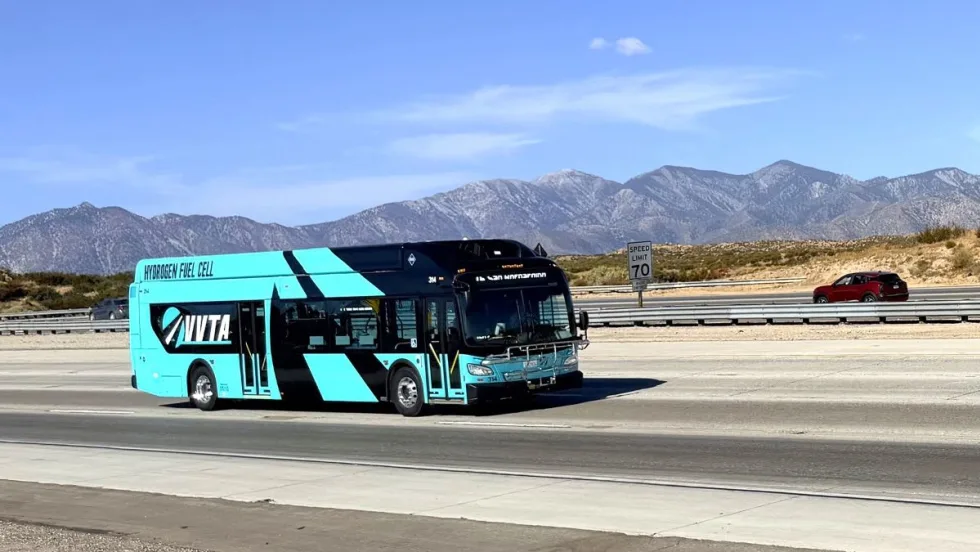
California's VVTA Begins Phased Rollout of Hydrogen Fuel Cell Buses
The agency is introducing 13 zero-emission buses into revenue service while evaluating performance across its urban, rural, and long-distance routes.
Read More →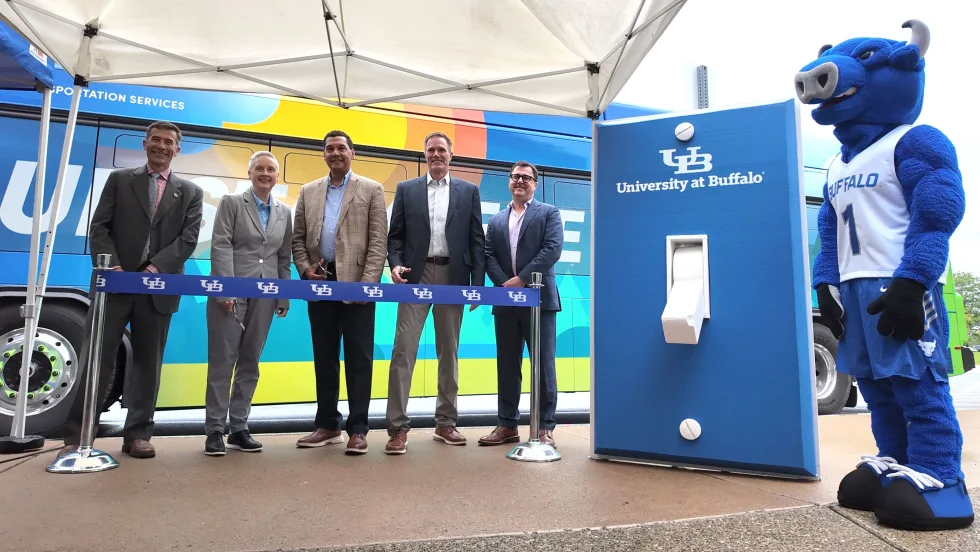
Inside Look: University at Buffalo Puts First 8 Electric Buses Into Stampede Service
UB, transportation solutions provider WeDriveU, and fleet electrification specialist Zenobē marked the deployment in the presence of students, university administrators, and local officials.
Read More →
Biz Briefs: OCTA Taps Clean Energy for Hydrogen Station, Stadler to Supply Via Rail Vehicles, and More
From manufacturers and suppliers to transit agencies and motorcoach operators, these updates offer a snapshot of the projects, partnerships and business moves driving the industry forward.
Read More →
AC Transit’s Cecil Blandon on Building the Next Generation of Transit Maintenance Leaders
The agency’s maintenance chief discusses leadership, workforce development, zero-emission technology, and preparing technicians for the future of public transportation.
Read More →
CTDOT Taps STV for Electric Bus Facility Design
The firm will work with CTDOT and RVT to define the facility layout, operational requirements, and long-term flexibility for RVT’s growing electric fleet.
Read More →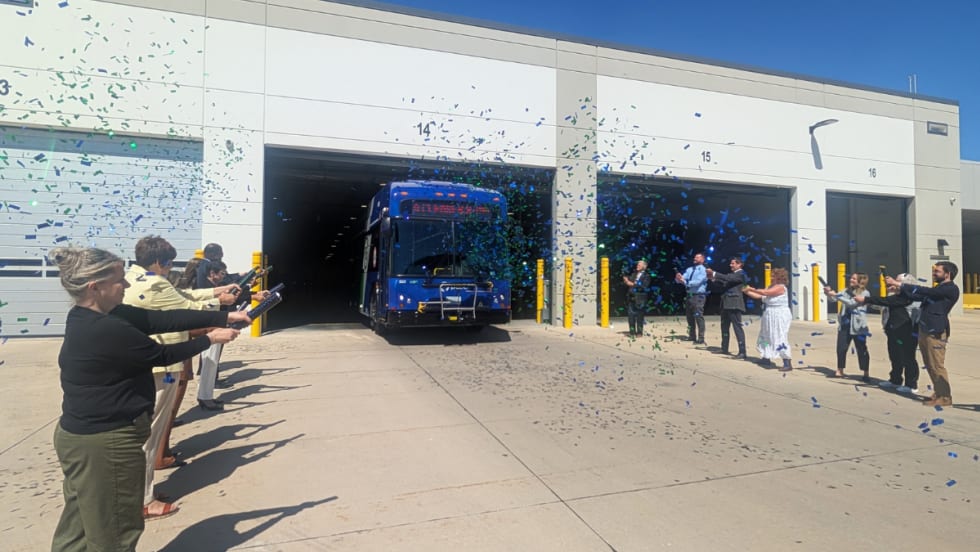
Chicago’s Pace Deploys 24 Hybrid-Electric Buses in Will County
The new buses reduce emissions and fuel consumption while advancing the agency's long-term goal of transitioning to a fully zero-emission fleet.
Read More →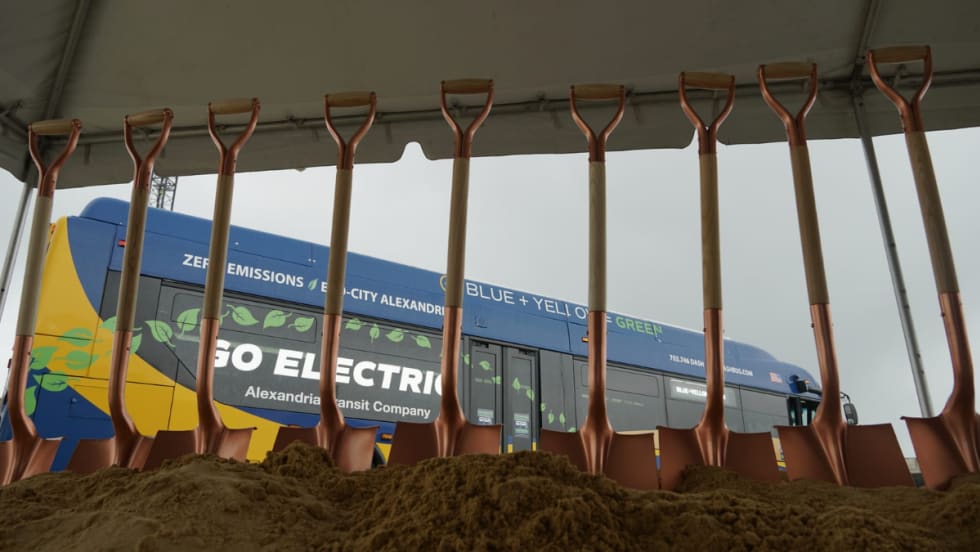
DASH Breaks Ground on First On-Route Electric Bus Chargers in D.C. Region
The fast-charging infrastructure will help extend electric bus range, improve fleet utilization, and support DASH's goal of transitioning to a fully zero-emission fleet.
Read More →