




RELATED: Getting up to speed with the FTA's new safety mandate
FTA transfers WMATA safety, announces all states now meet oversight standards
In addition, approximately $48.5 million in FTA grant funding withheld due to the District, Maryland, and Virginia is now available
March 19, 2019
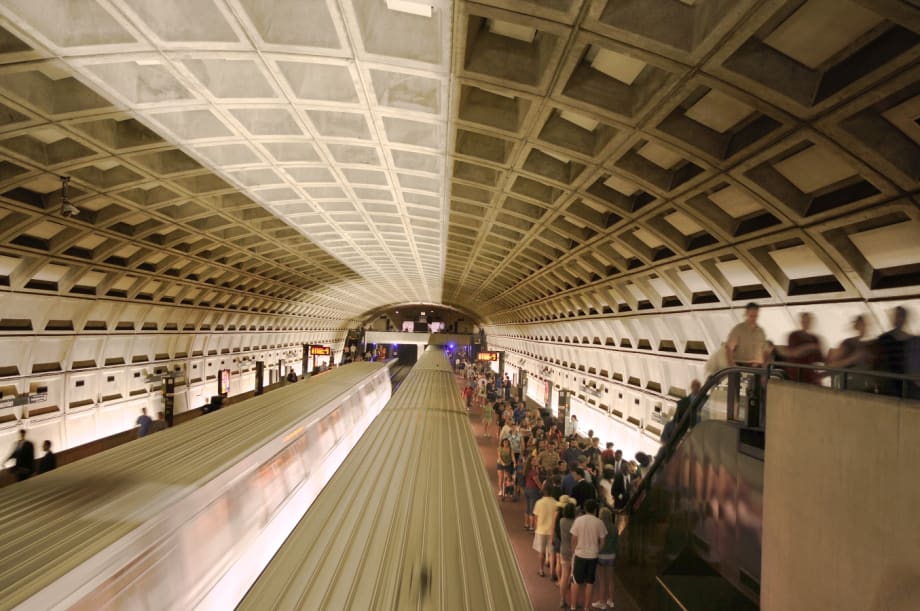
FTA assumed temporary and direct safety oversight in October 2015 from the Tri State Oversight Committee, the previous SSO Agency.
WMATA/Larry Levine
2 min to read
FTA assumed temporary and direct safety oversight in October 2015 from the Tri State Oversight Committee, the previous SSO Agency.
WMATA/Larry Levine
The Federal Transit Administration (FTA) successfully partnered with 30 states with rail transit systems to strengthen and certify 31 State Safety Oversight (SSO) Programs in advance of an important April 15 safety deadline.
"Safety is the department’s top priority, and we are pleased that all states have met certification requirements and are providing more rigorous state safety oversight of federally funded rail transit systems," said U.S. Secretary of Transportation Elaine L. Chao.
To achieve FTA certification, a SSO Program had to meet several federal statutory requirements, including establishing a SSO agency that is financially and legally independent from the rail transit agencies it oversees. In addition, a state had to ensure that its SSO agency adopts and enforces relevant federal and state safety laws, has investigatory authority, and has appropriate financial and human resources for the number, size and complexity of the rail transit systems within the state’s jurisdiction. Furthermore, SSO agency personnel responsible for performing safety oversight activities had to be appropriately trained.
As part of the announcement, the FTA certified the Washington Metrorail Safety Commission’s (WMSC) SSO Program. With this certification, responsibility for direct safety oversight of the Washington Metropolitan Area Transit Authority (WMATA) Metrorail system will transfer from the FTA to the WMSC at the close of Metrorail’s regular service hours today.
In addition, approximately $48.5 million in FTA grant funding withheld due to the District of Columbia, Maryland, and Virginia for missing a prior SSO Program certification deadline, is now available to transit agencies across the three jurisdictions to invest in public transportation.
The FTA-certified WMSC SSO Program strengthens state safety oversight of Metrorail in several ways. It ensures that the program adopts and enforces relevant federal and state safety laws, has the authority to investigate and enforce safety plans of WMATA Metrorail, is financially and legally independent from WMATA, and has a well-trained staff.
FTA assumed temporary and direct safety oversight in October 2015 from the Tri State Oversight Committee, the previous SSO Agency. Since then, FTA verified that Metrorail has fully implemented 188 systemic safety improvements, and made progress on dozens of others, advancing a safer Metrorail system.
While FTA will no longer have direct day-to-day safety oversight responsibility for Metrorail, it maintains its general safety authority for all State Safety Oversight Agencies and rail transit agencies across the country.
More Management
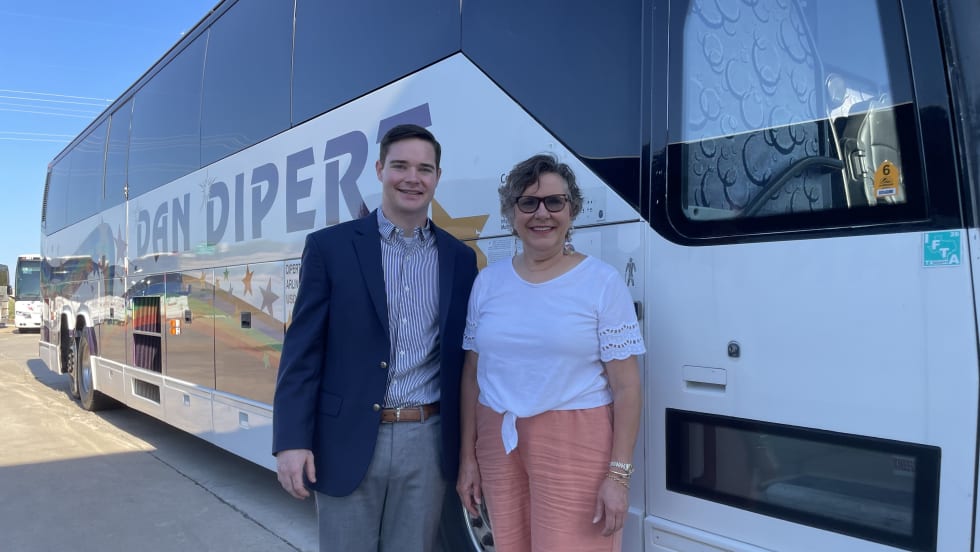
People Movement: Dan Dipert Coaches Adds Third-Generation Leader, Keolis Names New Valley Metro VP/GM, and More
In this edition, we also cover recent appointments and announcements at the Wabtec, SilverRide, HNTB, and more, showcasing the individuals helping to shape the future of transportation.
Read More →
METRO Opens Submissions for 2026 Motorcoach Awards
Nominations are now being accepted for METRO Magazine’s Operator of the Year and Innovative Operator of the Year awards.
Read More →
New York MTA Advances Final Contract for Second Avenue Subway Expansion
Contract Four is the largest in the Second Avenue Subway Phase 2 project and includes construction of station infrastructure, tracks, and signals for the subway expansion, MTA officials said. Work on Contract Four will begin in 2027.
Read More →

Transit Agencies Highlight Safety Gains at National Summit
Leaders from 15 major transit systems shared crime-reduction results and safety initiatives while discussing the role of continued federal support.
Read More →
NITA Names New Leadership, Expands Reduced-Fare Program at First Board Meeting
The new regional transit authority appointed its first board chair and interim executive director while extending reduced fares across CTA, Metra, and Pace for eligible riders.
Read More →
Beyond the Checklist: A Structured Approach to Transit Maintenance
Reliability-Centered Maintenance helps transit agencies move beyond routine checklists to focus limited resources on the assets and failures that have the greatest impact on safety, reliability, and service.
Read More →
APTA 2026 Nominating Committee Selects Leadership Slate, Names Chair and Vice Chair Nominees
Leadership changes will help shape the association’s priorities and its representation of the transportation industry during the 2026–2027 term.
Read More →
DART Launches Major Security, Fare Enforcement Initiative
The 90-day demonstration will deploy coordinated security teams at five light rail stations while testing controlled access and gathering data to guide future investments.
Read More →
Sponsored•September 9, 2026
Advancing Fare Collection Through Technology and Innovation
Learn about delivering 1300 gates at 91 stations while managing fare evasion. Explore the large scale deployment, solution customization and real-world results that affect the region. Prepare for deployment in your region now.
Read More →
Game Day in Motion: Moving Millions During the 2026 World Cup
Between packed transit stations and team motorcoaches, see how agencies and operators across North America tackled the transportation demands of the 2026 FIFA World Cup.
Read More →