



25 Projects to Receive FTA AIM Grants
AIM grant recipients will deploy new transportation technologies and services, including microtransit, vehicle automation, integrating ride-hailing services with transit, and contactless fare payments.
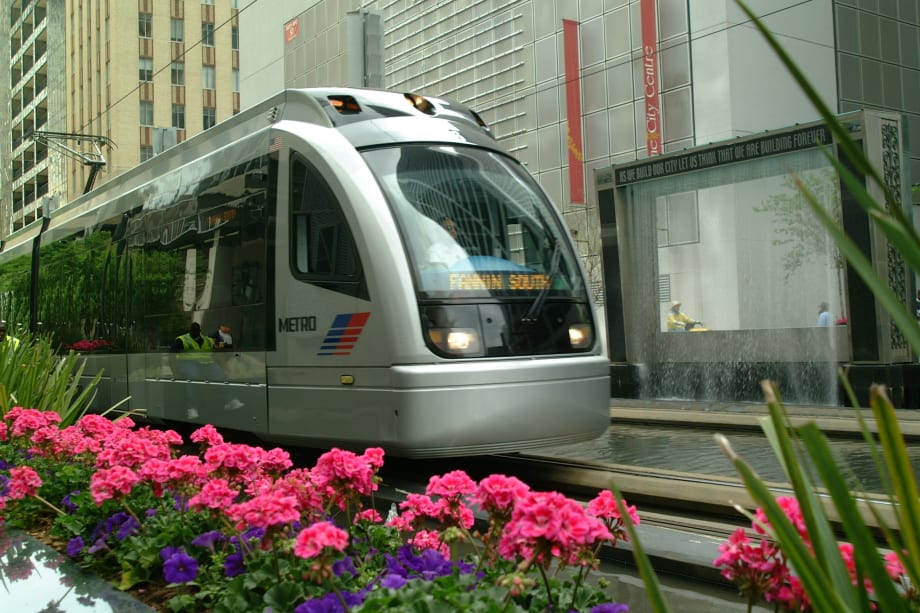
An AV shuttle will connect to Metro buses and light rail and be studied for potential use in urban, suburban, and rural environments.
Houston METRO
The Federal Transit Administration (FTA) announced 25 projects in 24 states and one territory will receive a share of approximately $14 million in funding through the Accelerating Innovative Mobility (AIM) initiative to support mobility and innovation in the transit industry.
“As we face this public health emergency, investments in innovation are critical for transit agencies to better meet rider expectations and adapt to changes in our transportation system,” said FTA Deputy Administrator K. Jane Williams. “We are pleased to collaborate with these grant recipients to develop new service methods to improve safety, increase access, develop more efficient operations, and enhance the transit experience for all.”
AIM grant recipients will deploy new transportation technologies and services, including microtransit, vehicle automation, integrating ride-hailing services with transit, and contactless fare payments. By supporting state-of-the-art approaches, the AIM initiative supports innovators testing nationwide approaches that will benefit other public transportation providers and passengers.
Twenty of the AIM projects are in or benefit rural areas, consistent with the Department’s Rural Opportunities to Use Transportation for Economic Success (ROUTES) initiative. Six of the projects include innovations to help alleviate COVID19-related issues, including contactless payment, social distancing, innovative scheduling, and real-time information to reduce crowding.
Among the projects selected to receive funding:
Houston METRO will receive approximately $1.5 million to develop an automated electric shuttle bus that will serve Texas Southern University, the University of Houston, and Houston’s Third Ward community. The shuttle will connect to METRO buses and light rail and be studied for potential use in urban, suburban, and rural environments.
Western Reserve Transit Authority in Ohio will receive $2.3 million to partner with the Santa Clara Valley Transportation Authority to deploy automated electric vehicles designed for accessibility in Mahoning Valley, Ohio, and Santa Clara Valley, Calif., to augment fixed-route bus and paratransit services. The two locations will test the ability of the AVs to provide more efficient and cost-effective service under different climates and operating conditions.
The Oregon Department of Transportation will receive $480,000 to build a web-based repository of transit data, census data, and open-source software. The project will build a user interface providing near-real time and historical transit network information to planners at the local, state, and federal levels to support planning, investment, and management of large transit networks.
The City of Wilson in rural central North Carolina will receive $250,000 to replace its fixed-route transit service with on-demand, rural microtransit to provide more targeted service and solve first/last mile connections. The system will include accessible vehicles, phone booking, and lower fares.
FTA received 75 eligible proposals totaling approximately $62.3 million in funding requests from 33 states and territories. Project proposals were evaluated based on criteria outlined in the AIM Notice of Funding Opportunity.
To view the full list, click here.
More New Mobility

From Hardware to Digital Partner: Luminator Charts Its Next Chapter
CEO Magnus Friberg discusses Luminator’s shift toward becoming a digital partner, the growing importance of software and interoperability, and how AI can help agencies improve operations and passenger experience.
Read More →
Biz Briefs: Alstom Lands Canadian Contract, LYT to Supply California TSP, and More
In METRO's latest installment, we take a look at recent news from Complete Coach Works, Beep, FlixBus, and more partnerships making headlines across the transportation sector.
Read More →
CharterUP’s Armir Harris on Technology, AI, and the Future of Group Mobility
In a recent episode of METROspectives, CharterUP Founder/CEO Armir Harris discussed the company’s evolution from an online charter bus marketplace into a technology platform supporting public- and private-sector mobility and much more.
Read More →
Jacksonville’s NAVI Project Charts a New Course for Autonomous Public Transportation
Through its NAVI program, JTA is showing how autonomous vehicles, intelligent infrastructure, and coordinated operations can work together to deliver everyday public transportation.
Read More →
Biz Briefs: Luminator Marks Milestone and More
From manufacturers and suppliers to transit agencies and motorcoach operators, these updates offer a snapshot of the projects, partnerships and business moves driving the industry forward.
Read More →
New Tricks for Old Bureaucracies: Joshua Schank on Making Transit Innovation Stick
Former LA Metro Chief Innovation Officer Joshua Schank discusses why good ideas aren't enough, how transit agencies can overcome resistance to change, and why today's challenges demand more innovation.
Read More →
How DART's GoPass Is Redefining Regional Mobility
Serving 14 transit agencies, GoPass simplifies multimodal travel by allowing riders to plan, pay for, and manage an entire trip through one app.
Read More →
Biz Briefs: OCTA Taps Clean Energy for Hydrogen Station, Stadler to Supply Via Rail Vehicles, and More
From manufacturers and suppliers to transit agencies and motorcoach operators, these updates offer a snapshot of the projects, partnerships and business moves driving the industry forward.
Read More →CharterUP Expands Into New Mobility and Autonomous Transportation
Vice President of New Mobility Stephen Joos discusses how CharterUP is leveraging its nationwide transportation network, technology platform, and autonomous vehicle partnerships to expand into workforce mobility, campus shuttles, and transit solutions.
Read More →
METRO Magazine Announces 2026 Innovative Solutions Awards Winners
Projects Recognized for Advancing Mobility Through Technology, Accessibility, Workforce Innovation, and Operational Excellence
Read More →