



Illinois' RTA New Brand, Website Focuses on Rider
The RTA’s redeveloped website took shape based on analysis of how the old version of the site wasn’t serving users well.


The RTA’s redeveloped website took shape based on analysis of how the old version of the site wasn’t serving users well.
Photo: RTA
The Regional Transportation Authority (RTA) of Northeastern Illinois launched a new website featuring a refreshed brand for the agency representative of a forward-looking vision for the region’s transit system.
“One of the principles of our forthcoming regional transit strategic plan is ‘Committed to Change,’ and our new website and brand is one way we are showing that commitment,” said RTA Executive Director Leanne Redden. “We have much to accomplish over the next months and years given the impact COVID-19 has had on transit and what we’ve heard our partners and riders say needs to be done to make the region’s public transportation work better for everyone. We begin that process with a website that prioritizes accessibility and usability.”
The RTA’s redeveloped website took shape based on analysis of how the old version of the site wasn’t serving users well. The analysis found new visitors accounted for 85% of web traffic, demonstrating a need for intuitive navigation. Popular topics for site visitors included the RTA’s reduced fare/ride free programs and ADA Paratransit certification, demonstrating that there is a specific need for content as it relates to accessibility and using the transit system. However, the previous website was not ideal for screen readers used by people who are blind or have visual impairments or for mobile users. Another finding was that the old version of the website lacked photography and other opportunities for engagement.
A priority for the redeveloped website is accessibility, both through intuitive design and compliance with Web Content Accessibility Guidelines. Some of the ways the new website is more accessible and useful for riders include:
The navigation was reorganized in a way that is intuitive for the average user, breaking up content based on whether it applies to the region as a whole, individual communities, or transit riders.
The website was developed specifically to work well with screen readers used by people who have visual impairments. As the users tab through a webpage, content will be read in the correct order, and navigating to other pages on the website will be simple and intuitive.
Brand new photos that focus on transit riders, transit’s relationship to land use, and regional collaboration are now featured throughout the site.
Application forms, sign-ups, and other opportunities for engagement will be housed within the website rather than taking users to a fillable PDF or external Google Form, making these engagement opportunities easier to find and more customizable on the backend.
The new website is the next step in an ongoing effort to refresh the agency’s online presence. In early 2021, the data and mapping website for the agency, RTAMS, was relaunched with new interactive capabilities, a mapping and GIS portal, several data dashboards, and a digital document library with more than 600 current and historic transit documents. In January 2022, the agency launched a new online fare portal that allows riders with disabilities and seniors to apply for, renew or replace their ride free or discounted fare cards online rather than in person or by phone. The portal has been used more than 25,000 times since it launched.
The RTA’s updated brand brings the agency’s external look more in line with its values and vision of accessibility and rider focus, also going through extensive accessibility testing to assure it is applied in a way that maximizes legibility and improves the user experience.
The new website and brand set the stage for the agency’s early December release of a new five-year strategic plan that incorporates the input of thousands of stakeholders and riders into a set of advocacy and action goals. The agency has engaged riders, advocates, community leaders and the region’s transit operators in developing the new plan.
More Paratransit
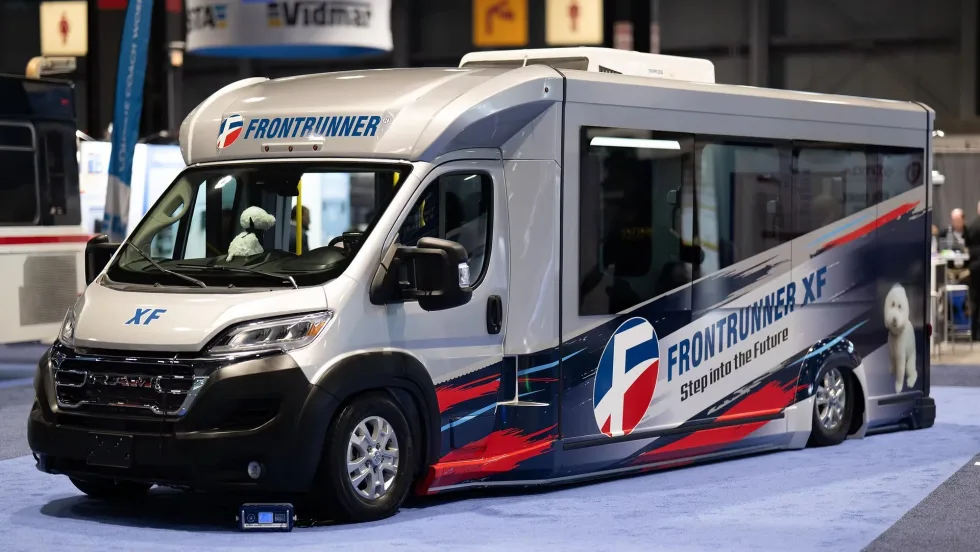
Frontrunner Bus Group Introduces XF Low-Floor Bus with Enhanced Accessibility
The new mid-sized bus features a full flat-floor design, eight-inch curbside step-in height, and zero-entry rear ramp to improve passenger access and operational flexibility.
Read More →
Scenes from APTA TRANSform & EXPO 2026
Transit leaders, manufacturers, and industry professionals gathered in Chicago to explore new technologies, share ideas, and discuss the future of public transportation.
Read More →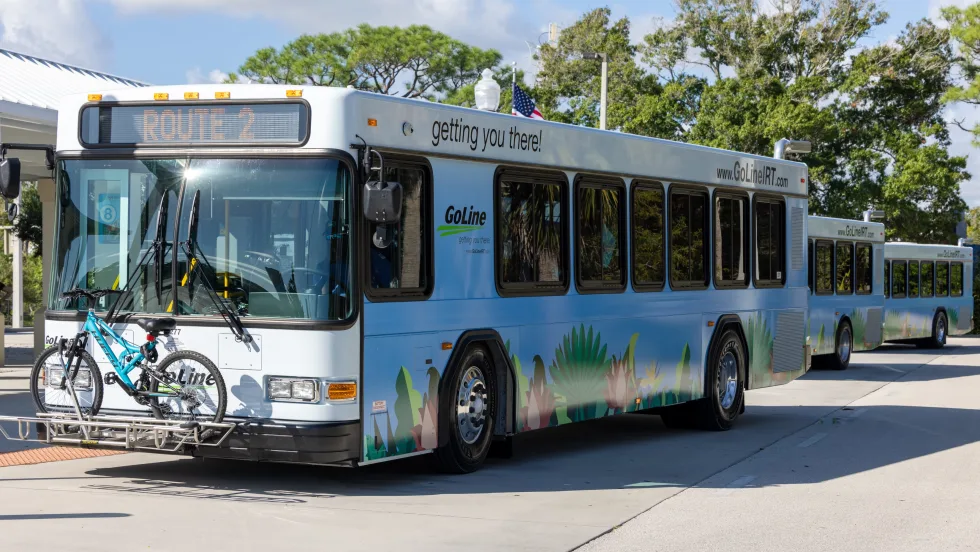
Indian River Transit’s Community-Focused Approach Earns National Recognition
Named APTA’s 2026 Outstanding Public Transportation System in its size category, Florida’s Indian River County transit system continues to grow ridership through fare-free service and a focus on evolving community needs.
Read More →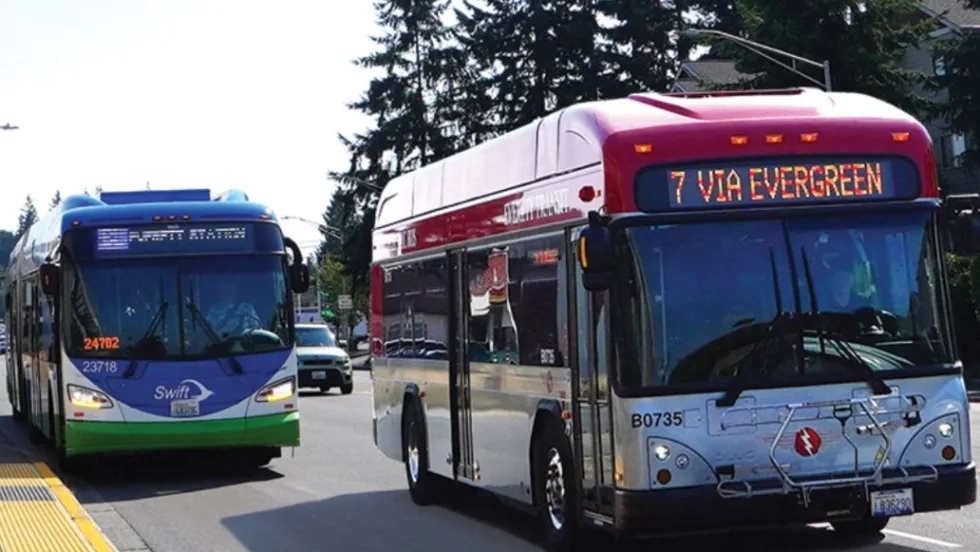
Everett Transit, Community Transit Outline Consolidation Agreement
The proposed agreement calls for a 50% increase in bus service in Everett, a new microtransit zone, continued paratransit service, and the transfer of Everett Transit operations to Community Transit.
Read More →
Driving Smarter Paratransit
John Hanlon shares how AlphaRoute is leveraging AI-powered technology to help paratransit providers optimize operations, support frontline staff, and enhance the rider experience.
Read More →
People Movement: Dan Dipert Coaches Adds Third-Generation Leader, Keolis Names New Valley Metro VP/GM, and More
In this edition, we also cover recent appointments and announcements at the Wabtec, SilverRide, HNTB, and more, showcasing the individuals helping to shape the future of transportation.
Read More →
Biz Briefs: RIPTA Unveils New Frontrunners, Clevland RTA Adds New Siemens, and More
In METRO's latest installment, we take a look at recent news from Siemens, Prevost, Dodge, and more partnerships making headlines across the transportation sector.
Read More →
King County Metro Makes ADA Paratransit Easier to Navigate
METRO's Innovative Solutions Award winner replaces complex service-area descriptions with an accessible, interactive map that puts paratransit information directly in customers’ hands.
Read More →
Jacksonville’s NAVI Project Charts a New Course for Autonomous Public Transportation
Through its NAVI program, JTA is showing how autonomous vehicles, intelligent infrastructure, and coordinated operations can work together to deliver everyday public transportation.
Read More →
Driving Smarter Paratransit
John Hanlon shares how AlphaRoute is leveraging AI-powered technology to help paratransit providers optimize operations, support frontline staff, and enhance the rider experience.
Read More →