




Keep Reading: New York MTA Plans Largest Bus Fleet Upgrade in More Than a Decade
New York MTA Warns Federal Tariffs Could Add $1 Billion to Rolling Stock Costs
The agency said tariffs on specialized imported components could reduce the purchasing power of its $23 billion investment in new subway cars, railcars, and buses.
October 5, 2026
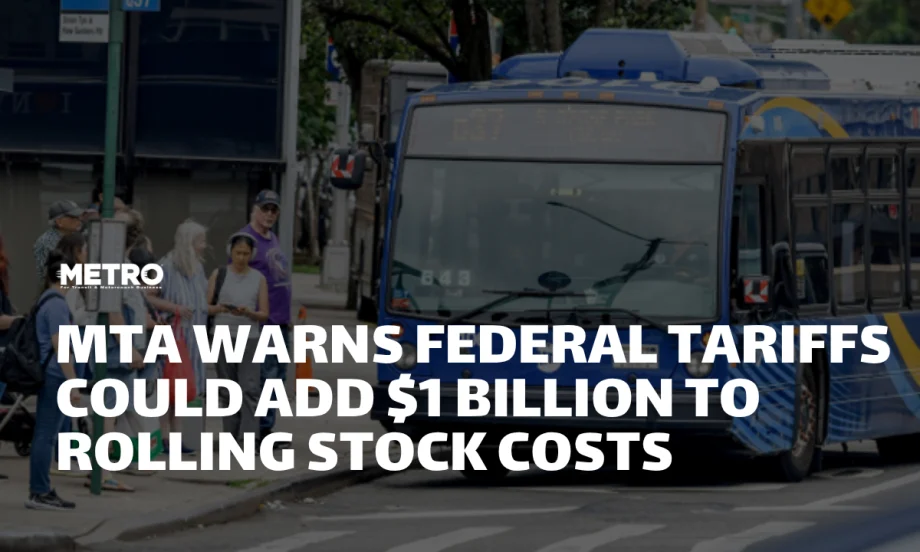
The Metropolitan Transportation Authority said tariffs on specialized imported components could affect its plans to purchase thousands of new buses, subway cars, and commuter railcars under its 2025-29 capital plan.
Credit:
Metropolitan Transportation Authority/METRO
2 min to read
New York Governor Kathy Hochul is seeking tariff exemptions for transit rolling stock purchases after an MTA report estimated current federal tariff policies could add $1 billion to the cost of the agency’s planned fleet upgrades.
The Metropolitan Transportation Authority (MTA) has committed $23 billion toward purchasing thousands of new subway cars, commuter railcars, and buses as part of what the state describes as a generational fleet upgrade. Following the report, Hochul wrote to U.S. Commerce Secretary Howard Lutnick and U.S. Trade Representative Jamieson Greer requesting exemptions for transit rolling stock purchases.
Imported Components Drive Potential Cost Increase
The MTA pointed to its R211 subway cars as an example of the challenge. The cars, which operate on lettered subway lines and the Staten Island Railway, are assembled in Nebraska and Yonkers, with more than 75% of their components made in the U.S. However, the agency said modern railcars require some specialized imported components for which domestic alternatives are unavailable.
According to the MTA, the potential $1 billion in additional costs could otherwise purchase most of the Metro-North coaches included in its plans, 150 new M9-A railcars for the Long Island Rail Road, nearly 1,000 buses, or more than 250 subway cars for the 1, 2, 3, 4, 5, and 6 lines.
“As the MTA keeps breaking ridership records, our investments in the next generation of rolling stock become more important than ever,” said MTA Chair and CEO Janno Lieber. “New subways, buses and railcars are needed to give our riders the service they deserve.”
MTA Highlights Impact on Capital Spending
MTA Rolling Stock Program Chief Jessie Lazarus said the issue extends beyond the vehicles themselves because rolling stock purchases also support manufacturing jobs.
“An investment in rolling stock is more than just an investment in a more modern, comfortable ride. It's an investment in American workers,” Lazarus said. “The MTA is committed to securing maximum value from our capital program, and that means speaking honestly and candidly about the impact of policies that dilute New York's spending power.”
Hochul characterized the tariffs as a threat to the state’s planned transit investments and the jobs associated with them. Her request for exemptions comes as the MTA works through its 2025-29 capital plan and its planned purchases of new rolling stock.
More Management
From the Show Floor: What’s Happening at APTA TRANSform & EXPO 2026
Follow the latest product launches, partnerships, technology updates, and transit industry announcements coming out of APTA TRANSform & EXPO in Chicago.
Read More →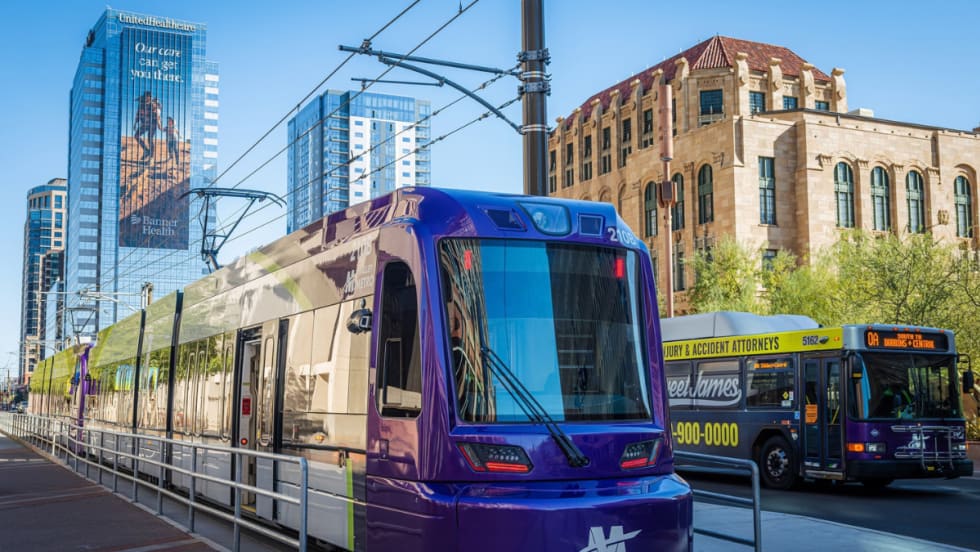
How Valley Metro Is Balancing Transit Growth With the Rider Experience
The APTA award-winning agency is pairing rapid system expansion with investments in workforce, safety, technology, and the fundamentals of transit service.
Read More →
Bus Tech Talk: Keeping Transit Technicians Ahead of the Technology Curve
In this episode of Bus Tech Talk, Complete Coach Works’ Business Development Manager Mark Hollenbeck and METRO’s Executive Editor Alex Roman sit down with Obed Mejia, Senior Technical Trainer for Bus Maintenance, at LA Metro to discuss how rapidly evolving bus technology is changing the maintenance shop — and the skills technicians need to keep pace.
Read More →
Michael Schneider Joins Paslay Group to Expand Transportation Practice
The longtime transportation executive will help Paslay Group grow its advisory and program management work across transit, highway, and other infrastructure sectors.
Read More →
People Movement: Connectpoint Expands Leadership Team, Stadler Names New Group CEO, and More
In this edition, we also spotlight recent personnel moves at Burns, UZURV, and more, highlighting the people taking on new roles across the transportation industry.
Read More →
More Than a Summer Job: Building the Next Generation of Transit Talent
The Delaware River Port Authority and PATCO have transformed their internship program into a hands-on professional development experience that introduces students to the breadth of transportation careers — and creates a pipeline for future employees.
Read More →
LA Metro Board Awards 220 Battery-Electric Bus Contract to ENC
The contract, which is the largest base award of battery-electric buses by a U.S. transit agency, will be built in Southern California, sustaining good jobs as LA prepares to welcome the world in 2028
Read More →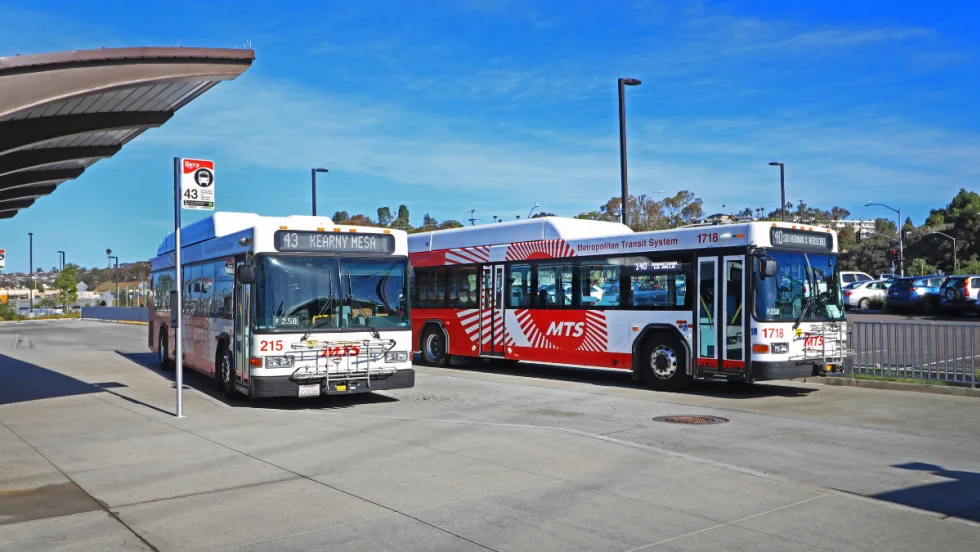
What’s Behind San Diego MTS’s Award-Winning Transit Strategy
Named one of APTA’s 2026 Outstanding Public Transportation Systems with 50 million or more annual passenger trips, California’s San Diego Metropolitan Transit System points to gains in ridership, safety, technology, and reliability as foundations of its success.
Read More →
Public Transit Conference Returning to GFX in 2027, Call for Papers Now Open
The Call for Papers is now open, allowing transit agency professionals and industry experts to help shape the PTC educational program by submitting session ideas for consideration.
Read More →
Indian River Transit’s Community-Focused Approach Earns National Recognition
Named APTA’s 2026 Outstanding Public Transportation System in its size category, Florida’s Indian River County transit system continues to grow ridership through fare-free service and a focus on evolving community needs.
Read More →