



Related: L.A. Metro Launches 'Keep Metro Clean and Safe' Campaign
L.A. Metro Now Running all Zero-Emission Buses on the G (Orange) Line
The project includes the deployment of the electric buses and associated charging equipment and infrastructure improvements. The total cost of buses, equipment and improvements is $80 million.
by Staff
October 15, 2021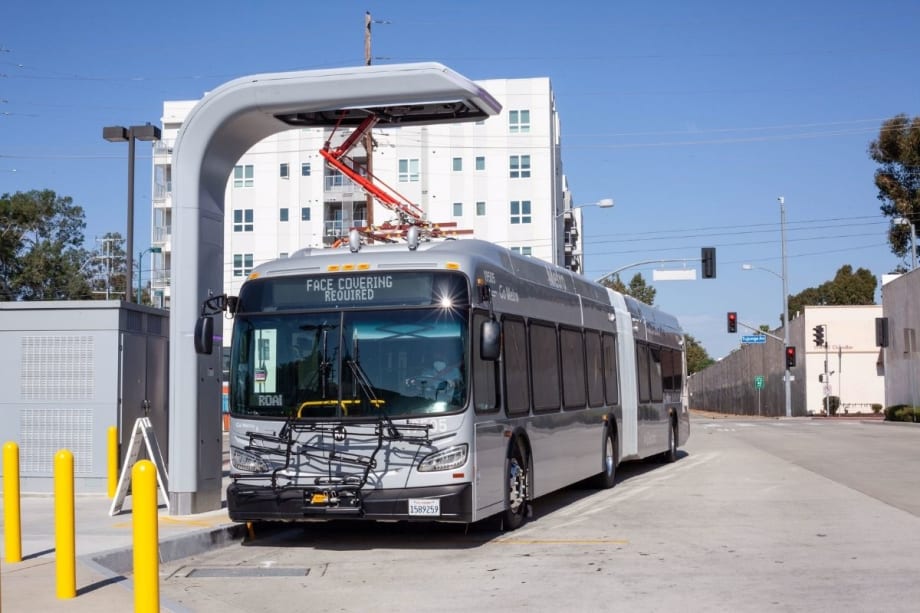
New Flyer's Excelsior Charge NG buses employ electric technologies, such as high-energy batteries and traction propulsion system.
Photo: New Flyer
3 min to read
The Los Angeles County Metropolitan Transportation Authority (Metro) announced the completion of its transition to an all-electric bus fleet on the Metro G (Orange) Line in the San Fernando Valley.
Metro has phased out its 60-foot articulated compressed natural gas (CNG) buses on the G Line and replaced them with 40 new, 60-foot articulated zero-emissions buses manufactured by New Flyer.
New Flyer's Excelsior Charge NG buses employ electric technologies, such as high-energy batteries and traction propulsion system. Rapid en-route chargers have been installed at North Hollywood, Canoga, and Chatsworth Stations. This gives the buses an all-day operating capability along the 18-mile corridor. Buses have about a 150-mile range on a single charge.
“Transportation is not just the largest source of air pollution in our state — it’s one of our greatest opportunities to realize our vision of cleaner air, lower emissions, and healthier communities,” said mayor Eric Garcetti. “If we’re going to act this decade to save our planet, we need to see solutions on our streets today — and watching these zero-emission buses roll down our roads brings us one step closer to turning the tides of the climate crisis.”
Metro first began converting its bus fleet to electric buses in July 2020. Since completing its transition from CNG to electricity earlier this year, Metro has officially logged 900,000 miles on the electric buses.
“Metro is officially on the road to a zero-emissions future with its first official use of electric buses on a major Bus Rapid Transit Line,” said Hilda L. Solis, Metro board chair and chair of the L.A. County Board of Supervisors. “This marks the beginning of Metro’s commitment and long-term investment in a healthier, more equitable, and sustainable bus fleet for L.A. County, one that helps our region reduce its greenhouse gas emissions at the tailpipe while greatly improving the customer experience.”
The buses also employ dual electrically driven air conditioning units. Customers can charge their portable devices using USB ports embedded in the bus seats. In addition, the buses feature two drive axles for better acceleration and employ regenerative braking to recapture energy.
“Metro already has the nation’s largest clean air compressed natural gas bus fleet, but these zero-emissions G Line buses take us to the next level,” said Ara Najarian, Glendale city council member and Metro first vice-chair. “The future is truly electric, not just for the G Line, but for the San Fernando Valley and beyond as we continue our work to provide a cleaner and more transit-accessible region for our riders.”
Metro’s electric buses cost $1.15 million each. The project includes the deployment of the electric buses and associated charging equipment and infrastructure improvements. The total cost of buses, equipment and improvements is $80 million.
“Five years ago, the Metro Board supported my motion for a plan to use electric buses on the Orange Line,” said Paul Krekorian, Los Angeles city councilmember and Metro board member. “At that time, there were still many questions about the feasibility of electrification of the fleet. The success of the transformation of the Orange Line has answered those questions. This important moment in the history of Metro brings us that much closer to achieving our goal of a 100 percent zero-emissions fleet by 2030.”
Metro said it is planning to use electric buses on the J (Silver) Line that operates between San Pedro and El Monte via the Harbor Gateway Transit Center. The ultimate conversion of the J Line to electric buses is anticipated to be completed in approximately two years.
“Today we are working tirelessly to create a more environmentally sustainable, equitable and resilient public transportation system for all our customers,” said Stephanie N. Wiggins, Metro CEO. “Our zero-emission bus goals are an important part of our overall strategy to reduce our agency’s carbon footprint and become carbon neutral. We continue as a transit leader in our march towards a more sustainable and resilient transportation system that will benefit our customers, our industry and our planet.”
More Zero Emissions
LA Metro Board Awards 220 Battery-Electric Bus Contract to ENC
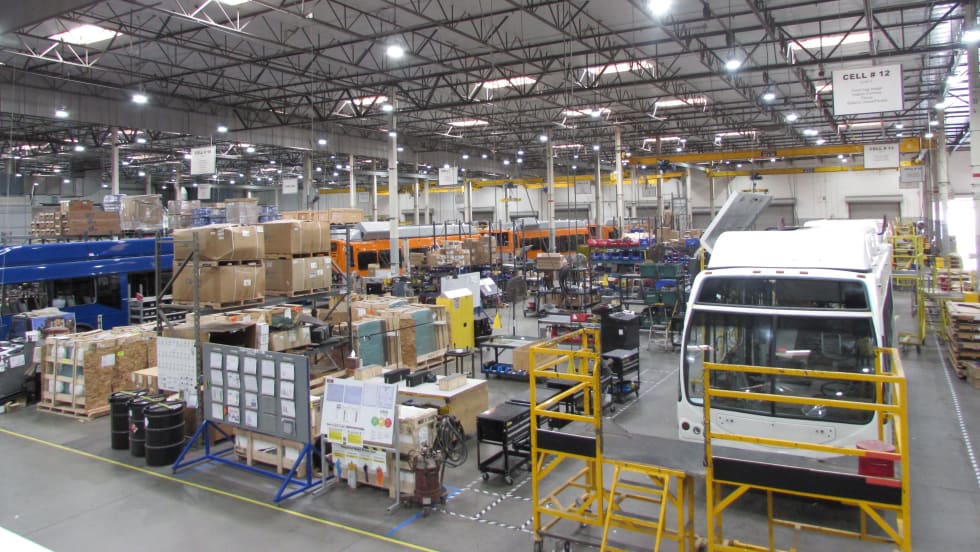
The contract, which is the largest base award of battery-electric buses by a U.S. transit agency, will be built in Southern California, sustaining good jobs as LA prepares to welcome the world in 2028
Read More →
Public Transit Conference Returning to GFX in 2027, Call for Papers Now Open
The Call for Papers is now open, allowing transit agency professionals and industry experts to help shape the PTC educational program by submitting session ideas for consideration.
Read More →
Report: Transit Bus Manufacturing Supports 34,100 Jobs, $5.1B in GDP
The “Buses Mean Business” report examines the transit bus manufacturing industry’s economic footprint, supply chain, and rising demand for vehicle replacements.
Read More →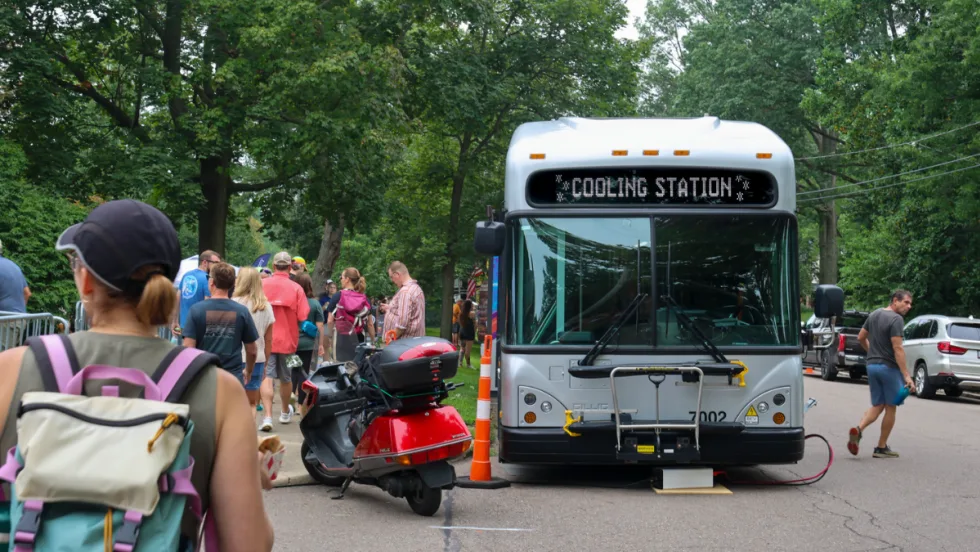
Ohio’s METRO RTA Turns Electric Buses into Mobile Power Sources at PorchROKR
See how three Gillig battery-electric buses powered festival stages while the agency’s new Park & Ride service carried approximately 1,000 attendees, demonstrating another potential use for transit agencies’ electric fleets.
Read More →
CALSTART and Forth Combine to Form Catalyst Mobility
The new name represents a renewed vision for the nonprofit focused on advancing clean, equitable, and affordable transportation solutions that move people and goods.
Read More →
Building a Flexible Path to Transit Electrification
John Hroncich discusses BAE Systems’ modular and scalable approach, lessons learned from decades of real-world operations, and how agencies can identify electrification strategies that fit their fleets.
Read More →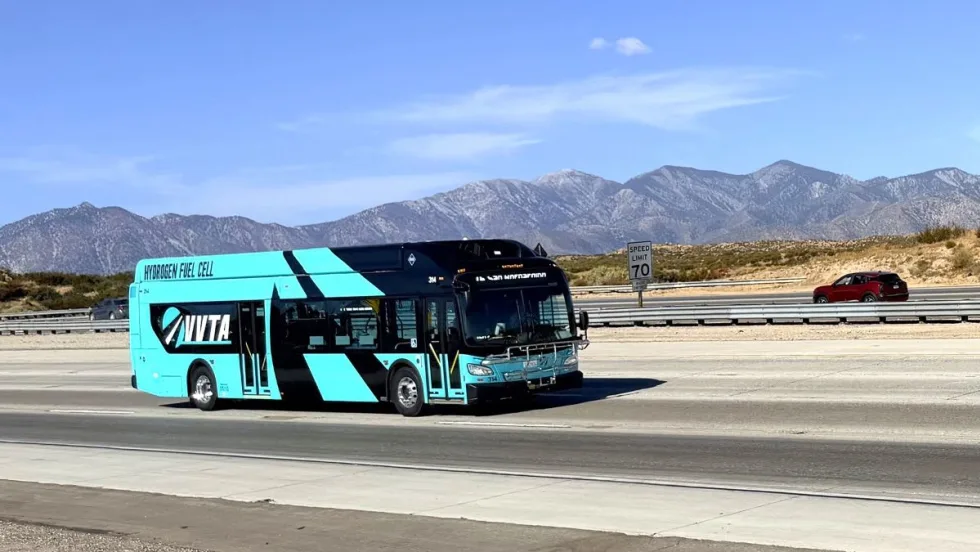
California's VVTA Begins Phased Rollout of Hydrogen Fuel Cell Buses
The agency is introducing 13 zero-emission buses into revenue service while evaluating performance across its urban, rural, and long-distance routes.
Read More →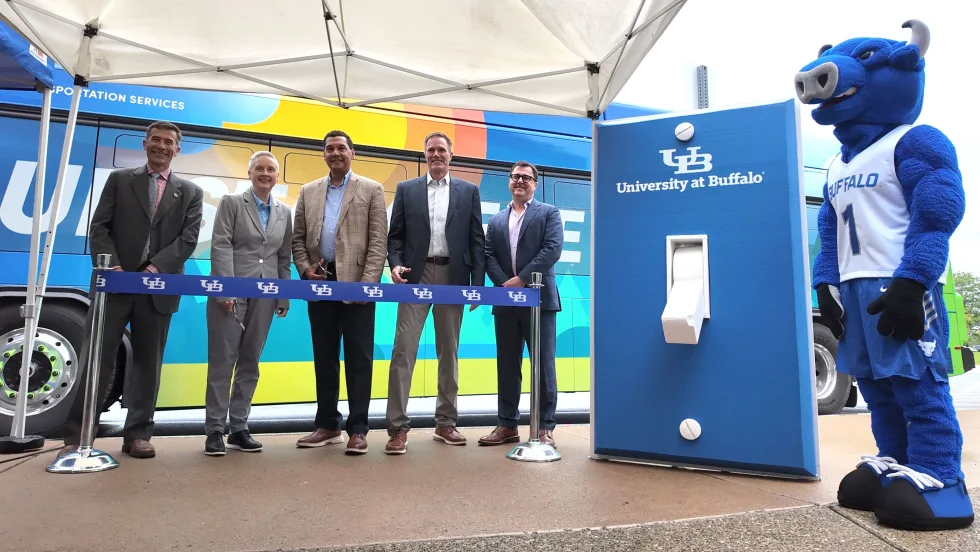
Inside Look: University at Buffalo Puts First 8 Electric Buses Into Stampede Service
UB, transportation solutions provider WeDriveU, and fleet electrification specialist Zenobē marked the deployment in the presence of students, university administrators, and local officials.
Read More →
Biz Briefs: OCTA Taps Clean Energy for Hydrogen Station, Stadler to Supply Via Rail Vehicles, and More
From manufacturers and suppliers to transit agencies and motorcoach operators, these updates offer a snapshot of the projects, partnerships and business moves driving the industry forward.
Read More →
AC Transit’s Cecil Blandon on Building the Next Generation of Transit Maintenance Leaders
The agency’s maintenance chief discusses leadership, workforce development, zero-emission technology, and preparing technicians for the future of public transportation.
Read More →