



Masabi, Littlepay team for ‘Contactless EMV in a Box’ ticketing solution
The provision of contactless payment options by public-facing businesses has become part of the COVID-19 pandemic health and safety protocol.

The use of contactless bank cards and mobile payments to ride on public transport is referred to as contactless EMV.
Masabi/Littlepay
Fare Payments-as-a-Service (FPaaS) company Masabi and Littlepay, the company changing the way businesses process micropayments, announced a partnership to deliver the world’s first “cEMV in a Box” solution — a cost-effective, end-to-end contactless EMV system that can be deployed across all modes of public transportation.
The partnership will see Masabi combine its back-office fare-engine and Justride Validator with Littlepay’s transit-specialist payment gateway. By integrating with local and global acquirers, the companies can deliver transport operators and authorities all over the world a scalable, hybrid solution combining best-in-class ticketing and payments technology.
The provision of contactless payment options by public-facing businesses has become part of the COVID-19 pandemic health and safety protocol. In the transport sector, it will be an especially vital component of efforts to restore confidence in using public transport. Passengers will simply be able to tap their contactless bank cards or mobile phones to travel, removing the potential risks of handling cash or physically interacting with ticketing infrastructure.
The use of contactless bank cards and mobile payments to ride on public transport is referred to as contactless EMV (cEMV). These contactless ticketing systems are unique in their ability to allow passengers to turn up and pay for travel using what they already have in their pocket. The correct fare to charge a passenger’s credit/debit card or digital wallet is automatically calculated, eliminating the need to buy a ticket, create an account, or analyze ticket prices. cEMV systems make a lot of sense not only for passengers, but also for authorities who can move away from the costs of cash handling and issuing paper tickets or plastic smart cards, according to the companies.
Unlike bespoke systems, cEMV in a Box removes the complexity of deploying cEMV solutions by reducing the project and PCI certification burden and risk. Combining best-of-breed services, the partnership removes the need for authorities and operators to procure separately for an AFC provider, payments gateway, and acquiring bank. It also gives authorities flexibility to apply fare “rules” and capping to offer best value to their passengers, while reducing transaction fees.
More Technology
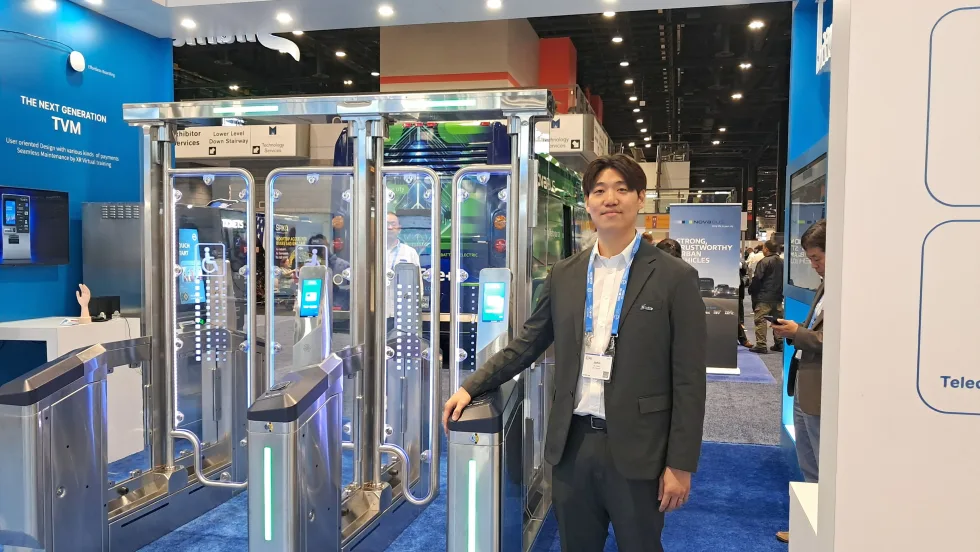
STraffic Expands North American Presence with Fare Collection Technology
Deck: John Moon, Associate Director, Product Strategy at STraffic, discusses the company's growth in North America, its efforts to reduce fare evasion, and more.
Read More →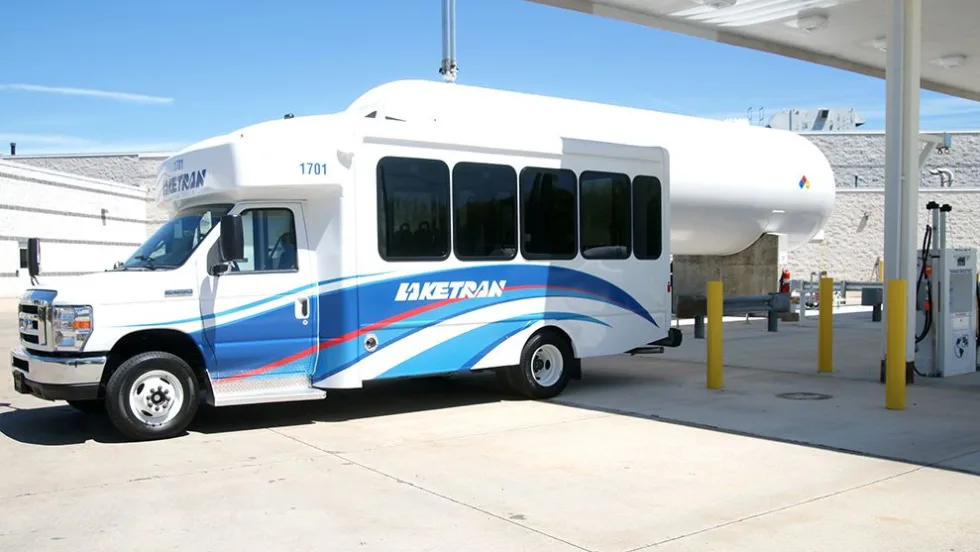
Laketran Cuts Fuel Costs, Boosts Efficiency with Propane-Powered Fleet
The Ohio transit agency is using propane-powered vehicles and on-site fueling infrastructure to cut fuel and maintenance costs while meeting growing demand for paratransit services.
Read More →
Right-Sizing Rural Transit: Lessons from North Grenville’s On-Demand Model
A small municipality shows how flexible service, rider needs, and public accountability can expand mobility with limited resources.
Read More →
Transit Expands Agency Partnerships, Reaching 200 Official App Partners
COO Jake Sion discusses Transit’s growth, the success of its Transit Royale program, and how technology is helping agencies improve the rider experience.
Read More →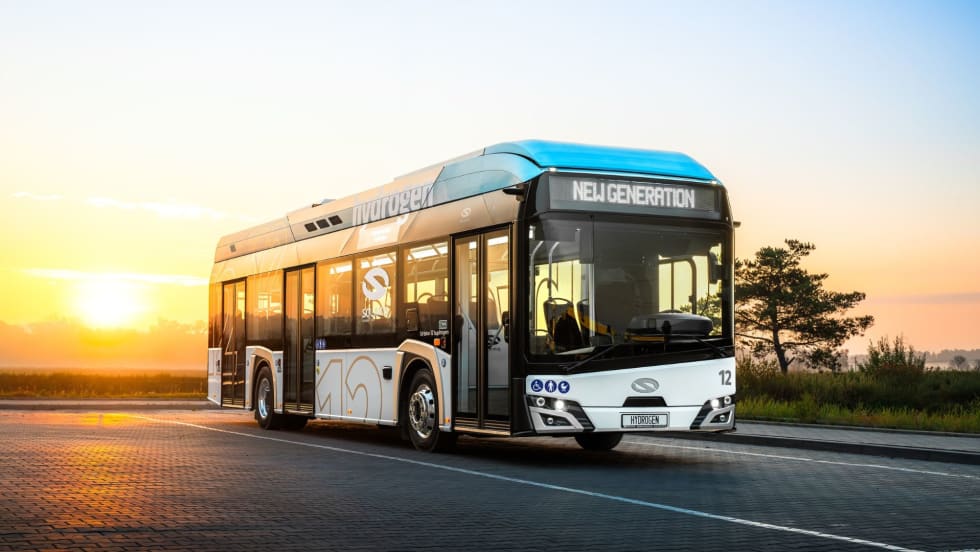
Biz Briefs: Ballard, Solaris Partner, New Flyer Receives Florida Order, and More
In METRO's latest installment, we also take a look at recent news from New Flyer, STV, Spare, and more partnerships making headlines across the transportation sector.
Read More →
Hampton Jitney Microgrid Offers a Roadmap for Fleet Electrification
Sprocket Power’s on-site energy system is designed to manage charging costs, reduce pressure on the electric grid, and prepare the Long Island transportation provider for expanded electric fleet operations.
Read More →
ETA CEO John Maglio on Transit Technology, Innovation, and Building Agency Trust
ETA founder and CEO John Maglio explores the evolution of transit technology, the importance of reliable systems, and how stronger partnerships can help agencies improve operations and the passenger experience.
Read More →
Lextran, Via Team for On Demand, HDR to Work on Twin Cities BRT, and More
In METRO's latest installment, we also take a look at recent news from Keolis, Complete Coach Works, Anchor Transportation, and more partnerships making headlines across the transportation sector.
Read More →
Caltrain’s Electrification Drives a New Era of Ridership Growth
The railroad’s shift to electric service has brought more frequent trains, stronger customer satisfaction, and increased ridership, earning it APTA’s Outstanding Public Transportation System award.
Read More →
Video Surveillance in Public Transit: What Riders Really Think
As video surveillance gains public acceptance, new research from Axis Communications reveals what transit riders expect from agencies when it comes to safety, privacy, and AI.
Read More →