



Mass. city introduces elevated BRT platforms
New platforms and ramps installed at two bus stops in Everett Square will enable bus riders with wheelchairs, strollers, or carts to board the bus faster.

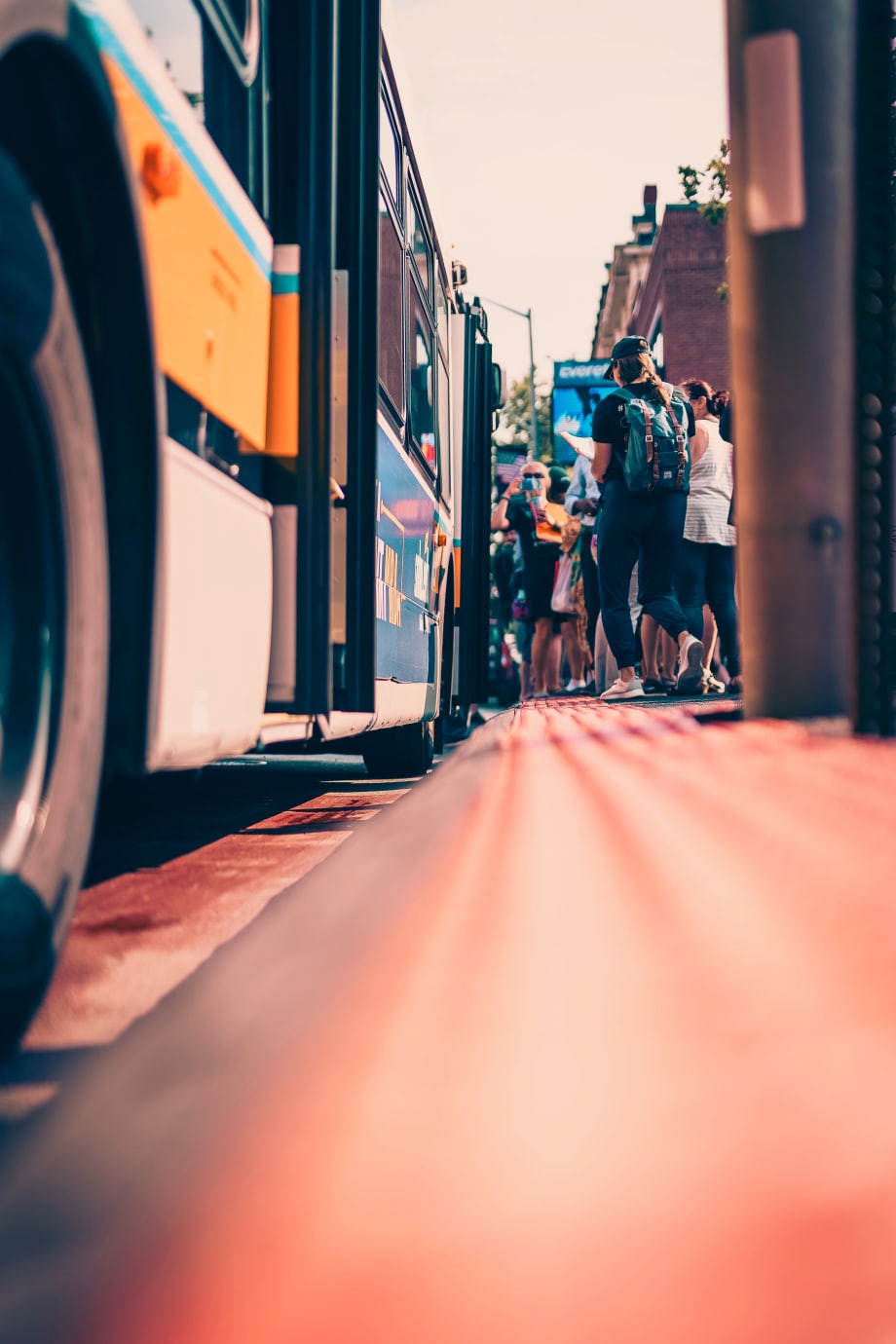
With level boarding and additional improvements to its bus stations and traffic signals, Everett is building on its rush hour bus-only lane on Broadway, which made national headlines in 2016.
With level boarding and additional improvements to its bus stations and traffic signals, Everett is building on its rush hour bus-only lane on Broadway, which made national headlines in 2016.
The City of Everett became the first city in Massachusetts to install elevated platforms that will make it easier for riders to board buses travelling through one of the busiest corridors in the city. New platforms and ramps installed at two bus stops in Everett Square will enable bus riders with wheelchairs, strollers, or carts to board the bus faster, speeding up commutes for the 10,000 riders on Broadway, the city’s main thoroughfare into Boston.
With level boarding and additional improvements to its bus stations and traffic signals, Everett is building on its rush hour bus-only lane on Broadway, which made national headlines in 2016. The EverettBRT pilot, launching in collaboration with the MBTA and with funding from the Barr Foundation, establishes the city as a leader among a group of ambitious municipal leaders piloting elements of Gold Standard bus rapid transit (BRT).
“Coupled with the success of the bus-only lane on Broadway, these accessible platforms and ramps help passengers board more quickly and easily, allowing for shorter travel times for buses,” said MBTA GM Luis M. Ramirez. “We’re pleased to be able to partner with Everett during this level-boarding pilot and thank the Barr Foundation for making it possible.”
Along with boarding platforms that are level with bus entrances and exits, the city is testing sensor-equipped traffic signals that prioritize buses, turning green as the vehicles approach key intersections. City officials will collect data on performance improvements during the pilot, anticipating that it will build upon the success of the dedicated lane, which dropped average travel time from Everett Square to Downtown Boston by more than 20%.
The level boarding and traffic-signal priority will benefit MBTA Routes 97, 104, 109, 110, and 112.
Just two miles from Downtown Boston, Everett is the only neighboring municipality without a rapid transit line or direct access to Boston. With ridership on Upper Broadway bus lines projected to increase by more than 25% by 2040, moving Everett’s bus system in the direction of BRT is key to establishing Broadway as one of Greater Boston’s best transit corridors, and securing Everett as a growing hub for housing and business development. The pilot is part of a long-term Everett Transit Action Plan, which includes major service and route improvements, transit investments, and bike and pedestrian access.
"Fixing the 'last mile' is often cited as an important goal for transportation agencies and advocates to improve how people get from their transit stop to final destination. Adding boarding-level platforms in Everett shows a commitment to the 'last six inches,' too," said Wendy Landman, executive director of WalkBoston. "These last six inches are critical elements of age and disability-friendly communities, growing bus ridership, and improving mobility for all community members."
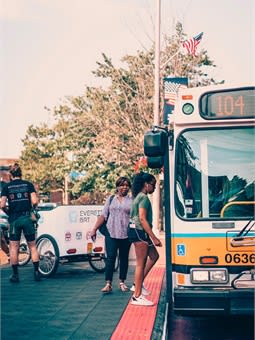
Along with boarding platforms that are level with bus entrances and exits, the city is testing sensor-equipped traffic signals that prioritize buses, turning green as the vehicles approach key intersections.
The pilot, made possible by a $100,000 grant from the Barr Foundation, will also include several placemaking enhancements — such as decorated shelters, “clean graffiti,” LED and digital displays, and a pedicab food truck — to engage riders and passersby along the route.
EverettBRT is the first of three regional bus rapid transit pilots taking place in 2018. Later this year, the City of Cambridge and Town of Watertown will partner to improve bus routes on Mount Auburn Street, including an all-day dedicated bus lane. Beginning in October, the Town of Arlington will test BRT features on the three-mile #77 bus route along Massachusetts Avenue, which has the highest ridership in Arlington and is one of the top 15 highest-ridership routes in the overall MBTA bus system.
More Bus
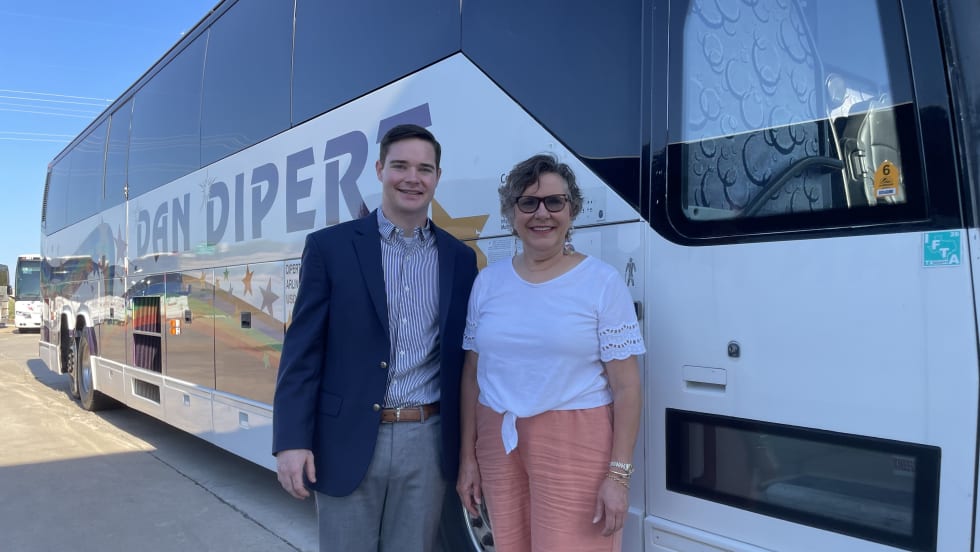
People Movement: Dan Dipert Coaches Adds Third-Generation Leader, Keolis Names New Valley Metro VP/GM, and More
In this edition, we also cover recent appointments and announcements at the Wabtec, SilverRide, HNTB, and more, showcasing the individuals helping to shape the future of transportation.
Read More →
New York MTA Plans Largest Bus Fleet Upgrade in More Than a Decade
The agency is seeking manufacturers for 650 new CNG buses to replace aging vehicles, improve reliability, and advance its broader fleet modernization strategy.
Read More →
Building a Flexible Path to Transit Electrification
John Hroncich discusses BAE Systems’ modular and scalable approach, lessons learned from decades of real-world operations, and how agencies can identify electrification strategies that fit their fleets.
Read More →
Bus Tech Talk: Keeping Transit Technicians Ahead of the Technology Curve
LA Metro’s Obed Mejia discusses technician training, evolving maintenance technology, fleet replacement, and strategies for getting the most out of today’s transit fleets.
Read More →
Biz Briefs: RIPTA Unveils New Frontrunners, Clevland RTA Adds New Siemens, and More
In METRO's latest installment, we take a look at recent news from Siemens, Prevost, Dodge, and more partnerships making headlines across the transportation sector.
Read More →
People Movement: Holly Arnold Joins Transdev and More
In this edition, we also cover recent appointments and announcements at Pace, CamTran, MCI, and more, showcasing the individuals helping to shape the future of transportation.
Read More →
The High Cost of Transit Buses: Industry Leaders Look to Procurement Reform
Transit leaders and policymakers examine how standardized bus designs, streamlined procurement, and predictable funding could help agencies stretch budgets and deliver better service.
Read More →
The Business Voice Behind Public Transportation
As chair of APTA’s Business Members Board of Governors, Ray Melleady explains how more than 850 business members are partnering with transit agencies to advance funding, innovation, and industry-wide collaboration.
Read More →
From Surviving to Thriving: Building Stronger Transportation Organizations
Bus Business Consultants founder Brian Dickson shares lessons on leadership, organizational health, and creating options for long-term success in a changing transportation industry.
Read More →
Finding the ‘Happy Medium’: Optimizing Maintenance Without Sacrificing Reliability
The key to maintenance optimization isn’t doing less work—it’s doing the right work at the right time on the right assets.
Read More →