




RELATED: New Flyer's hydrogen fuel-cell bus hits milestone mileage
MBTA celebrates launch of first battery-electric buses
The BEBs are powered by both rear-axle and center-axle electric motors to enhance safe operation during the winter months.
August 5, 2019

2 min to read

Massachusetts Bay Transportation Authority (MBTA) and local dignitaries and officials gathered to celebrate the introduction of the MBTA's first new, zero-emission, battery-electric bus (BEB) prototypes into the MBTA's Silver Line fleet.
With support from a $10 million federal grant, the MBTA procured five zero-emission New Flyer battery-electric, 60-foot, articulated buses. All five are currently in Boston with the first BEB prototype having arrived in April 2019 to begin testing and operator training. Three BEBs entered service last week on Silver Line Routes SL2, SL3, SL4, and SL5, with the next two anticipated to enter service on these routes by the end of the summer.
Five charging stations are also being built within the Southampton Bus Garage and Maintenance Facility as part of the project where each BEB will be "refueled" overnight.
The BEBs are powered by both rear-axle and center-axle electric motors to enhance safe operation during the winter months. The majority of 60-foot low-floor articulated buses in service in North America utilize only the rear axle to provide propulsion power by pushing the bus, which can experience traction issues during winter months when snow and ice are present. The performance of the BEBs’ axle placement will be one feature specifically tested and studied while in service.
The MBTA will also be one of the first systems to test 100% electric heat for comfortable onboard temperatures during winter months. Previously, U.S.-built BEBs operated diesel-fired auxiliary heaters.
During a two-year period following the introduction of the BEBs into service, the MBTA will test and gather data on this emerging technology to measure BEB performance and operational effectiveness with a focus on power consumption of electric heaters, operator/passenger comfort, vehicle range impact during extreme conditions, charging requirements, and projected operating costs. The MBTA will operate these buses on Silver Line routes to measure the capabilities of the technology for consideration in future zero-emission bus procurements.
The MBTA is currently investing more than ever before to upgrade its infrastructure under its current $8 billion, 5-year Capital Investment Plan already in place, and the Baker-Polito Administration’s Transportation Bond Bill includes approximately $5.7 billion for the MBTA to continue funding improvements.
More Zero Emissions
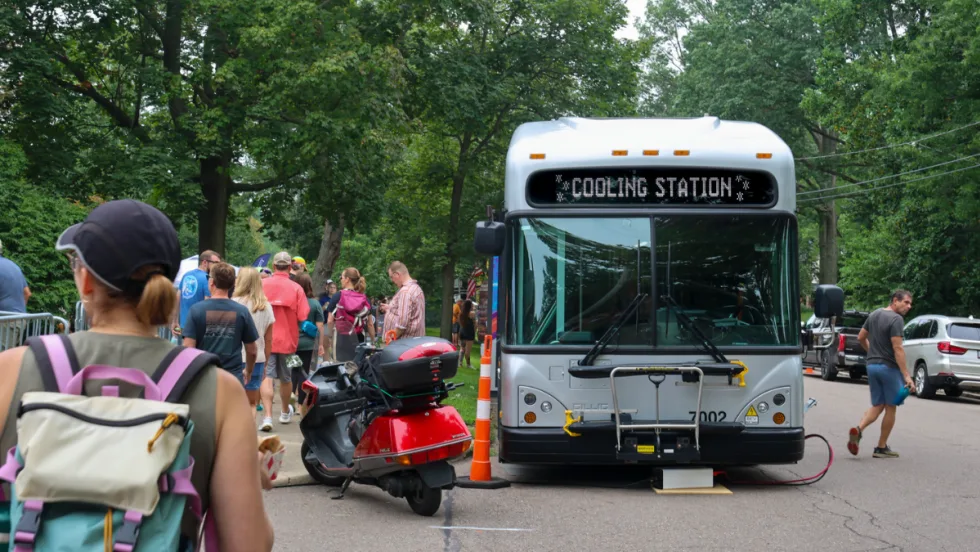
Ohio’s METRO RTA Turns Electric Buses into Mobile Power Sources at PorchROKR
See how three Gillig battery-electric buses powered festival stages while the agency’s new Park & Ride service carried approximately 1,000 attendees, demonstrating another potential use for transit agencies’ electric fleets.
Read More →
CALSTART and Forth Combine to Form Catalyst Mobility
The new name represents a renewed vision for the nonprofit focused on advancing clean, equitable, and affordable transportation solutions that move people and goods.
Read More →
Building a Flexible Path to Transit Electrification
John Hroncich discusses BAE Systems’ modular and scalable approach, lessons learned from decades of real-world operations, and how agencies can identify electrification strategies that fit their fleets.
Read More →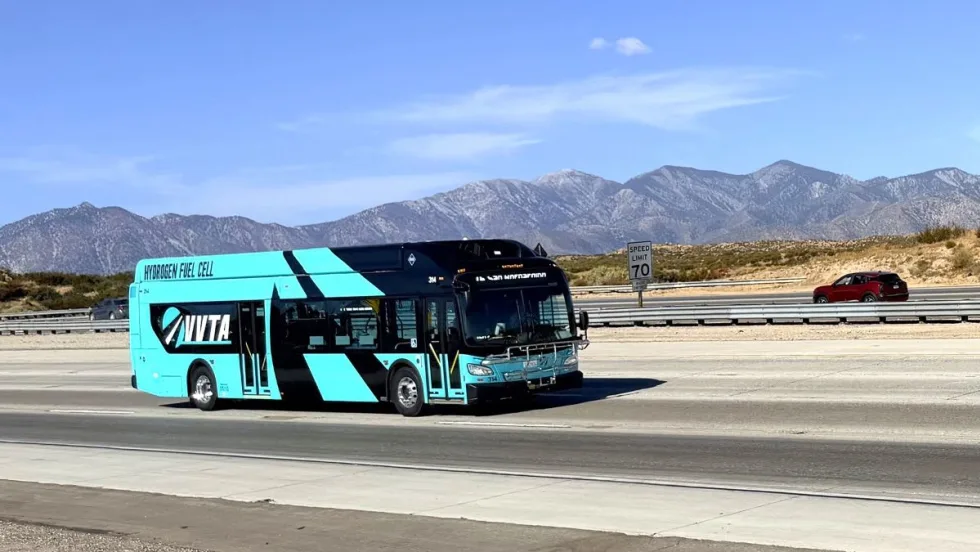
California's VVTA Begins Phased Rollout of Hydrogen Fuel Cell Buses
The agency is introducing 13 zero-emission buses into revenue service while evaluating performance across its urban, rural, and long-distance routes.
Read More →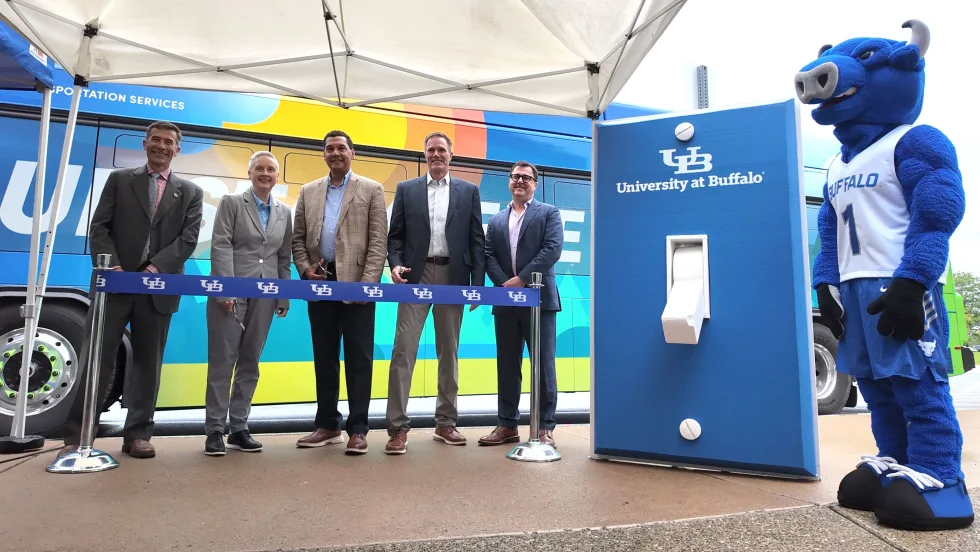
Inside Look: University at Buffalo Puts First 8 Electric Buses Into Stampede Service
UB, transportation solutions provider WeDriveU, and fleet electrification specialist Zenobē marked the deployment in the presence of students, university administrators, and local officials.
Read More →
Biz Briefs: OCTA Taps Clean Energy for Hydrogen Station, Stadler to Supply Via Rail Vehicles, and More
From manufacturers and suppliers to transit agencies and motorcoach operators, these updates offer a snapshot of the projects, partnerships and business moves driving the industry forward.
Read More →
AC Transit’s Cecil Blandon on Building the Next Generation of Transit Maintenance Leaders
The agency’s maintenance chief discusses leadership, workforce development, zero-emission technology, and preparing technicians for the future of public transportation.
Read More →
CTDOT Taps STV for Electric Bus Facility Design
The firm will work with CTDOT and RVT to define the facility layout, operational requirements, and long-term flexibility for RVT’s growing electric fleet.
Read More →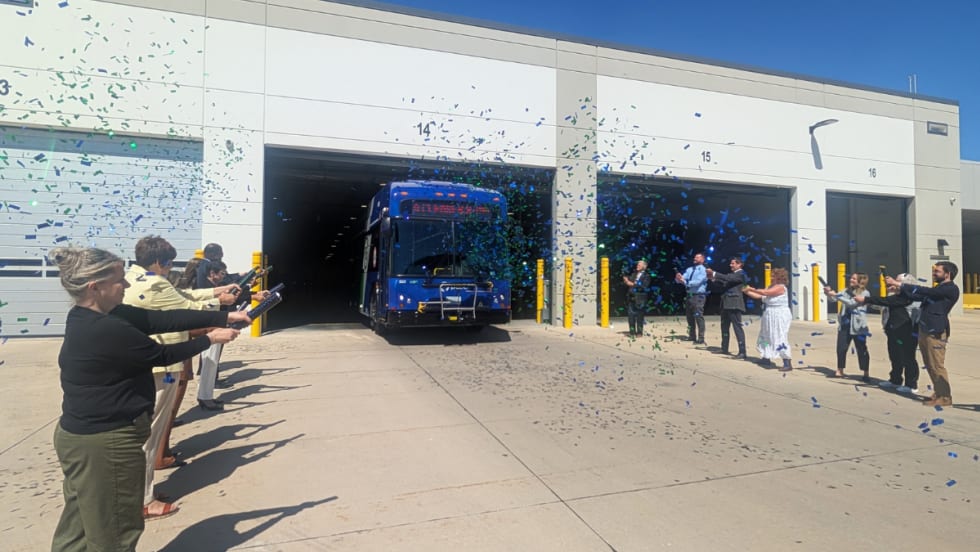
Chicago’s Pace Deploys 24 Hybrid-Electric Buses in Will County
The new buses reduce emissions and fuel consumption while advancing the agency's long-term goal of transitioning to a fully zero-emission fleet.
Read More →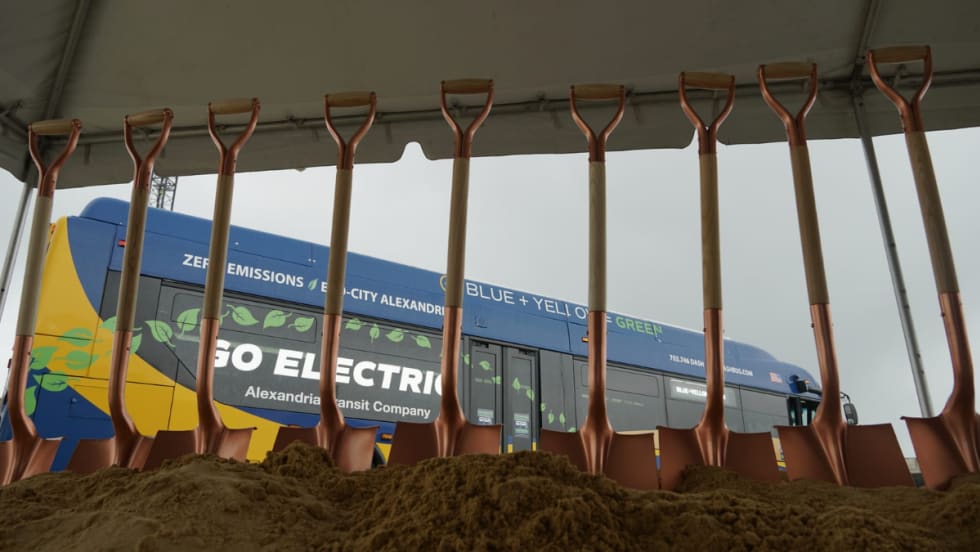
DASH Breaks Ground on First On-Route Electric Bus Chargers in D.C. Region
The fast-charging infrastructure will help extend electric bus range, improve fleet utilization, and support DASH's goal of transitioning to a fully zero-emission fleet.
Read More →