




Read More: MBTA Launches Online Applications for TAP
MBTA Releases Capital Needs Assessment, Inventory
The Capital Needs Assessment and Inventory (CNAI) is an MBTA-led analysis conducted every three to four years to inventory the MBTA’s assets.
November 17, 2023

The CNAI helps MBTA understand the overall condition of the transit system and identify assets that are not in a State of Good Repair in order to determine the level of investment needed to support the existing network.
Photo: MBTA
4 min to read
The Massachusetts Bay Transportation Authority (MBTA) announced it has released its Capital Needs Assessment and Inventory (CNAI), an MBTA-led analysis conducted every three to four years to inventory the MBTA’s assets, understand the overall condition of the transit system, and identify assets that are not in a State of Good Repair in order to determine the level of investment needed to support the existing network.
“Restoring reliability and ensuring safety are priorities as we rebuild MBTA infrastructure. Understanding and acknowledging the significant resources needed to bring our system to a State of Good Repair is just one step towards fixing our infrastructure to deliver more robust and frequent service. The MBTA is one of the oldest transit agencies in the country, and while there are a number of contributing factors, it’s clear that years of underinvestment have added to the cost of bringing our system back to a state of good repair,” said MBTA GM/CEO Phillip Eng. “Timely and appropriate actions are key to mitigating and avoiding more costly and potentially impactful efforts. Know that we are committed to aggressively addressing our immediate needs – like the recent 16-day outage on the Ashmont Branch to perform track work – as we strive to deliver a modernized system to serve future generations.”
MBTA Estimates
All MBTA assets – facilities, vehicles, infrastructure, and more – have varying expected useful lives and all assets eventually require rehabilitation or replacement on a rolling basis. State of Good Repair (SGR) does not indicate the level of safety but rather is representative of an asset operating at its optimal and expected level of performance. An asset “out of SGR” is more likely to require rehabilitation or replacement, according to the MBTA.
The CNAI is an exercise that helps the MBTA understand the magnitude of asset needs across the system at a single point in time. The SGR Index is calculated as part of the CNAI and aims to capture the baseline condition and estimated value for all assets that have been identified as out of SGR.
The MBTA estimates the current overall SGR Index for assets in need of rehabilitation or replacement to be approximately $24.5 billion. This estimate includes:
Facilities: $6.4 billion (35% of assets)
Rolling Stock: $2.4 billion (55% of assets)
Equipment: $52 million (28% of assets)
Structures: $5.3 billion (22% of assets)
Signals – CR: $1.3 billion (80% of assets)
Signals – Transit: $753 million (53% of assets)
Track – CR: $1.2 billion (9% of assets)
Track – Transit: $2.0 billion (89% of assets)
Power: $5.1 billion (76% of assets)
This estimated figure is an increase of $14.5 billion from the last CNAI performed in 2019 and is driven by a number of factors, including:
A more comprehensive and data-driven inventory approach that significantly increases the total asset count from approximately 59,000 to nearly 83,700. For example, the MBTA’s power asset count significantly increased from 4,959 in 2019 to 14,514 in 2023 because the previous inventory did not include certain cables, overhead catenary, the South Boston power station, emergency generators, or high voltage yards. A more sophisticated inventory of these assets is now included in the 2023 CNAI;
Significant infrastructure and construction cost increases driven by inflation and supply chain challenges;
The continued aging of the MBTA’s assets faster than they are being replaced due to years of underinvestment; and
The length of time for capital investments to show improvements and be reflected in the CNAI. Many capital projects underway now are in varying planning, design, and construction phases. The rehabilitation or replacement of those assets will be reflected in future iterations of the CNAI and SGR Index. Additionally, the cutoff for data to be included in this year’s CNAI was in 2021 and some major investments since that time were not captured in this iteration of the CNAI.
MBTA Addressing Needs
The MBTA is addressing many of the needs identified in the CNAI.
For example, critical track work on the Red Line’s Ashmont Branch and Mattapan Line was successfully completed over the course of a 16-day shuttle bus diversion in late October 2023 in which crews replaced nearly 5,000 feet of rail and 1,174 ties on the Ashmont Branch and nearly 4,700 feet of rail and 1,380 ties on the Mattapan Line, allowing for the removal of all speed restrictions in that area; 83 new bi-level commuter rail coach cars are currently underway to replace the existing fleet and increase system capacity; and Positive Train Control (PTC)implementation continues to advance on the commuter rail signal system.
More Management

People Movement: Connectpoint Expands Leadership Team, Stadler Names New Group CEO, and More
In this edition, we also spotlight recent personnel moves at Burns, UZURV, and more, highlighting the people taking on new roles across the transportation industry.
Read More →
More Than a Summer Job: Building the Next Generation of Transit Talent
The Delaware River Port Authority and PATCO have transformed their internship program into a hands-on professional development experience that introduces students to the breadth of transportation careers — and creates a pipeline for future employees.
Read More →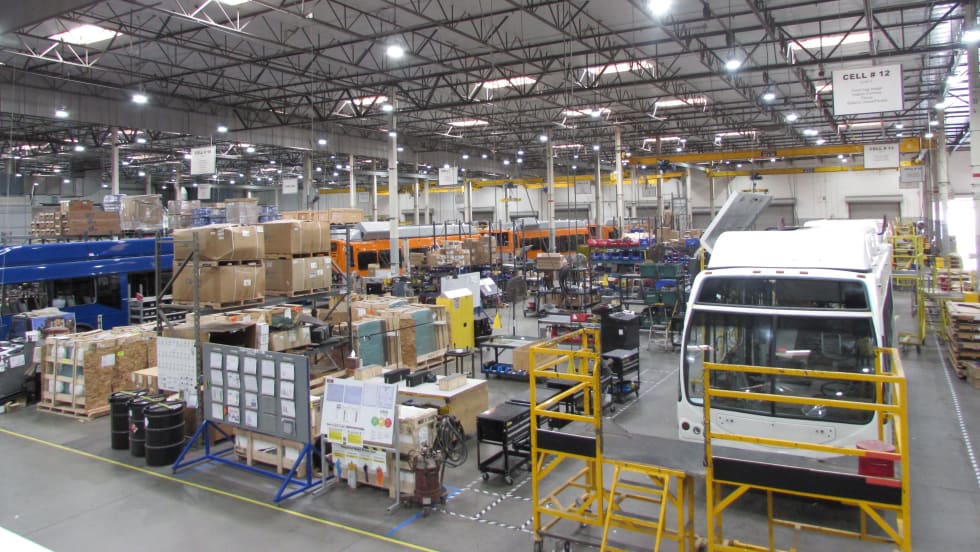
LA Metro Board Awards 220 Battery-Electric Bus Contract to ENC
The contract, which is the largest base award of battery-electric buses by a U.S. transit agency, will be built in Southern California, sustaining good jobs as LA prepares to welcome the world in 2028
Read More →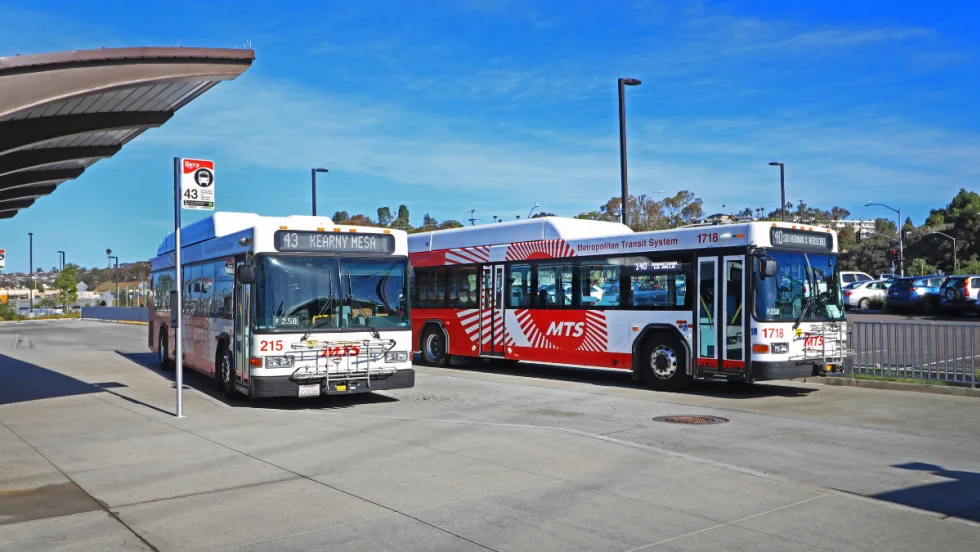
What’s Behind San Diego MTS’s Award-Winning Transit Strategy
Named one of APTA’s 2026 Outstanding Public Transportation Systems with 50 million or more annual passenger trips, California’s San Diego Metropolitan Transit System points to gains in ridership, safety, technology, and reliability as foundations of its success.
Read More →
Public Transit Conference Returning to GFX in 2027, Call for Papers Now Open
The Call for Papers is now open, allowing transit agency professionals and industry experts to help shape the PTC educational program by submitting session ideas for consideration.
Read More →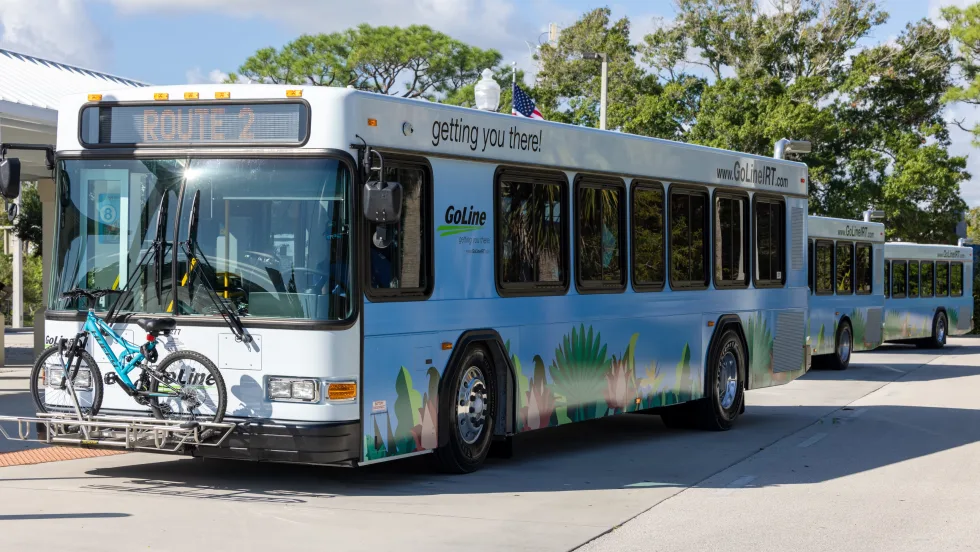
Indian River Transit’s Community-Focused Approach Earns National Recognition
Named APTA’s 2026 Outstanding Public Transportation System in its size category, Florida’s Indian River County transit system continues to grow ridership through fare-free service and a focus on evolving community needs.
Read More →
ENC Lands MATA Contract and More in Biz Briefs
In this edition of Biz Briefs, we spotlight the latest developments shaping the future of mobility.
Read More →
From Surviving to Thriving: Building Stronger Transportation Organizations
Bus Business Consultants founder Brian Dickson shares lessons on leadership, organizational health, and creating options for long-term success in a changing transportation industry.
Read More →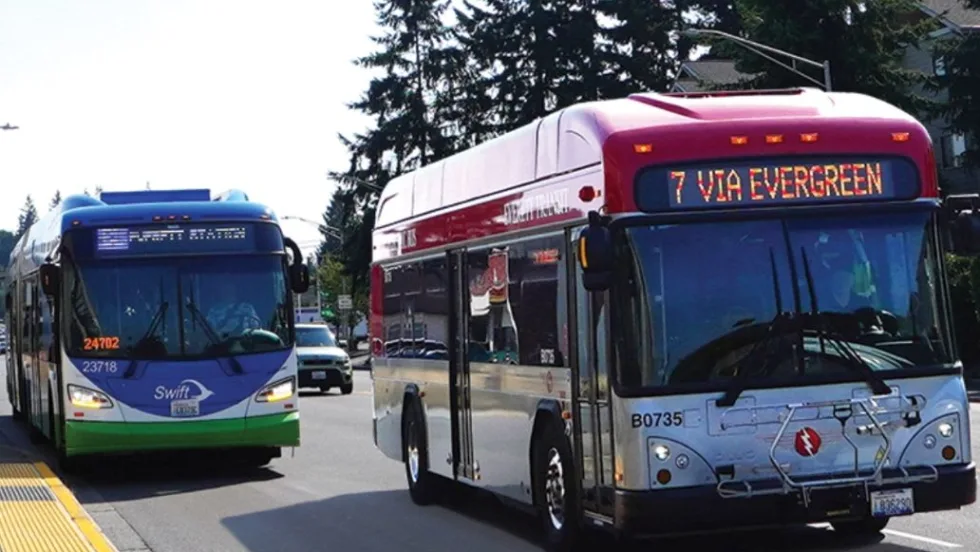
Everett Transit, Community Transit Outline Consolidation Agreement
The proposed agreement calls for a 50% increase in bus service in Everett, a new microtransit zone, continued paratransit service, and the transfer of Everett Transit operations to Community Transit.
Read More →
Strada360’s Steve Lassey on Turning Transit Data Into Better Decisions
From breaking down data silos to preparing for AI, Strada360 CEO Steve Lassey discusses how transit agencies can use technology to improve operations, customer information, and long-term decision-making.
Read More →