



MCI debuts D45 CRTe CHARGE battery-electric model at Calif. event
Operators also had the chance to test ride the latest J-Series models, which now includes the 45-foot J4500 and the smaller 35-foot J3500.

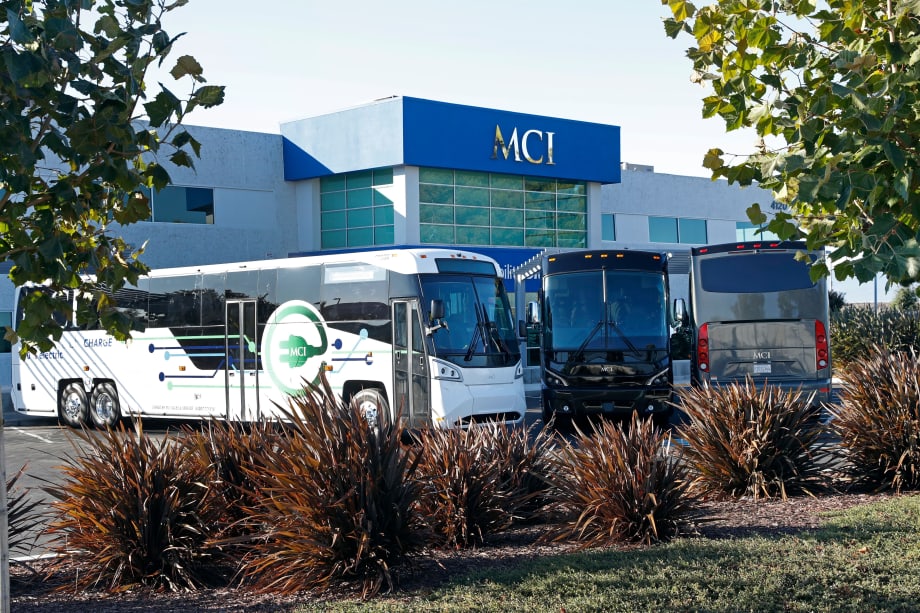
The Hayward location, one of MCI’s busiest serving Bay Area’s growing Silicon Valley employee shuttle operations, public transit agencies, and dozens of tour and charter companies, featured a demonstration of MCI’s move into all-electric transit at the symposium.
MCI
The Hayward location, one of MCI’s busiest serving Bay Area’s growing Silicon Valley employee shuttle operations, public transit agencies, and dozens of tour and charter companies, featured a demonstration of MCI’s move into all-electric transit at the symposium.
MCI
Motor Coach Industries (MCI) offered a sneak preview of the battery-electric, all-accessible MCI D45 CRTe LE CHARGE in Hayward, Calif.
The occasion is the first Reliability Symposium for West Coast operators at the MCI Service Center. The Hayward location, one of MCI’s busiest serving Bay Area’s growing Silicon Valley employee shuttle operations, public transit agencies, and dozens of tour and charter companies, featured a demonstration of MCI’s move into all-electric transit at the symposium.
At the event, operators also had the chance to test ride the latest J-Series models, which now includes the 45-foot J4500, equipped with efficient Cummins X12, and the smaller 35-foot J3500. Both models feature electric cooling (e-fan) systems for fuel efficiency improvements and the latest-generation of Advanced Driver Assistance Systems (ADAS) plus 360-degree camera systems as options.
MCI also showcased other NFI Group brands including New Flyer’s Xcelsior CHARGE™ battery-electric low-floor transit bus operated by AC Transit, and Alexander Dennis’ double-deck bus for North America.
MCI’s newest Service Center, serving all Northern California, opened in 2017 with a $3 million investment to support its companywide prototype team in maintenance, repair and new and pre-owned coach sales. The company also plans to install an ABB 150 kW charging station at its Bay Area location to facilitate the demonstration and ongoing testing of the electric motorcoaches.
The first-ever battery electric J4500e and the MCI D45 CRTe LE CHARGE Commuter Coach will feature the high-torque Siemens electric drive motor with a power rating of 260 kWh and maximum torque of 3,320 LB FT, powered by 63 Ah NMCI lithium-ion ultra-high energy cells by XALT. To meet long-distance commuter needs, this model’s high-power plug-in battery charges in approximately four hours. MCI plans to have its 100% battery-electric coaches in the market with passenger service and ready for start of production in 2020, and ultimately plans a broad range of electrified vehicles.
MCI also plans a next generation D-Series high floor coach — the MCI D4520 in 2020 and MCI D45 CRT with a mid-lift in 2021. Other variants include a Buy-America compliant, high floor commuter coach with mid-lift in a 40-foot version.
MCI has equipped its Bay Area location with services important the marketplace, offering flexible service hours, complete coach maintenance agreements, and access to on-call MCI mobile maintenance assistance. Services also include scheduled preventative maintenance and repair along with inspections and oil sample analysis as required by the California Department of Transportation (Caltrans) and CHP (California Highway Patrol). A state-of-the-art bus wash system is underway at the facility, which also features the newest diagnostic equipment and offers warranty service, engine repair, brake and air systems service and HVAC services, audio/visual installation, and upgrades.
More Zero Emissions
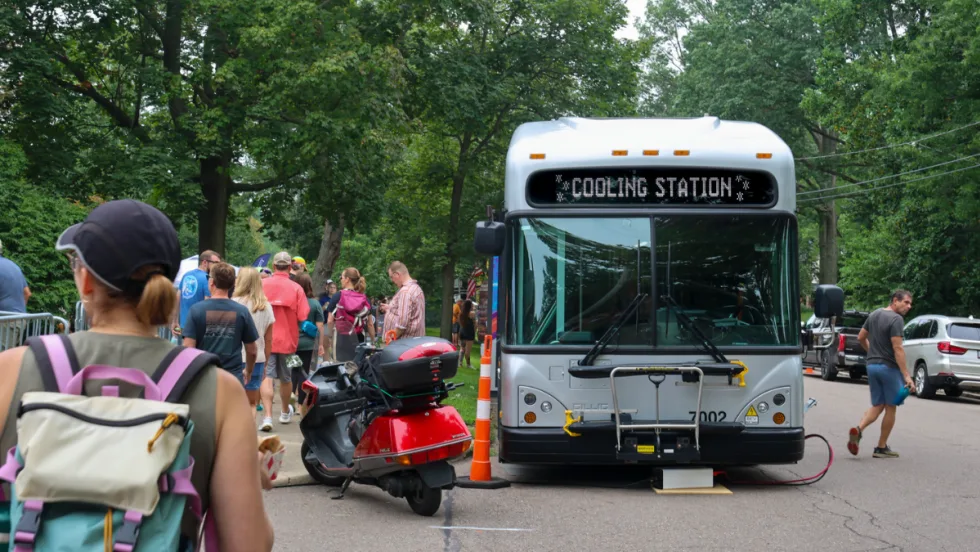
Ohio’s METRO RTA Turns Electric Buses into Mobile Power Sources at PorchROKR
See how three Gillig battery-electric buses powered festival stages while the agency’s new Park & Ride service carried approximately 1,000 attendees, demonstrating another potential use for transit agencies’ electric fleets.
Read More →
CALSTART and Forth Combine to Form Catalyst Mobility
The new name represents a renewed vision for the nonprofit focused on advancing clean, equitable, and affordable transportation solutions that move people and goods.
Read More →
Building a Flexible Path to Transit Electrification
John Hroncich discusses BAE Systems’ modular and scalable approach, lessons learned from decades of real-world operations, and how agencies can identify electrification strategies that fit their fleets.
Read More →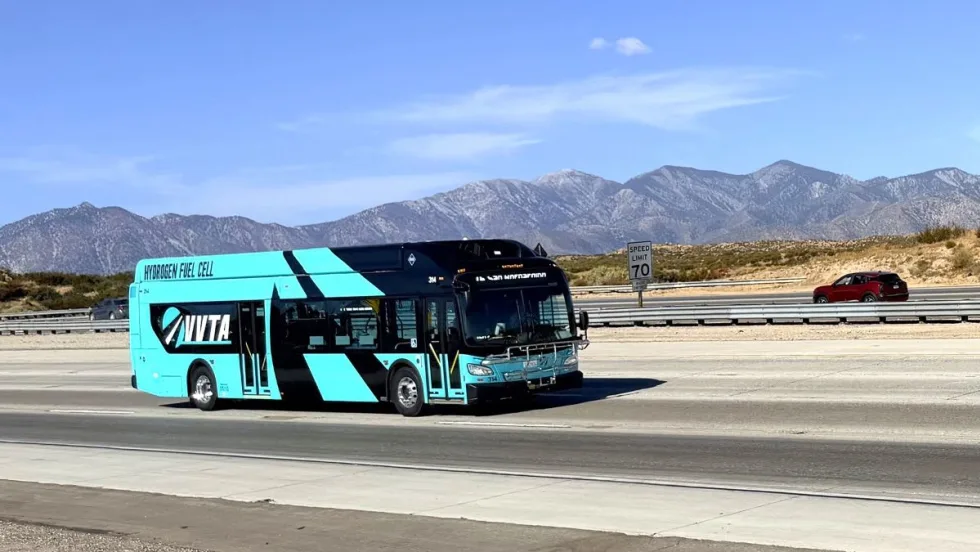
California's VVTA Begins Phased Rollout of Hydrogen Fuel Cell Buses
The agency is introducing 13 zero-emission buses into revenue service while evaluating performance across its urban, rural, and long-distance routes.
Read More →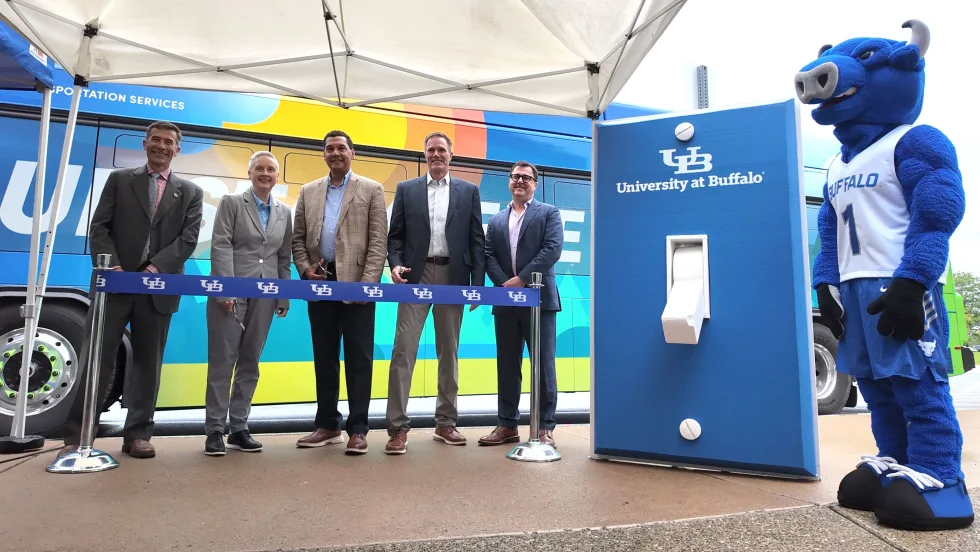
Inside Look: University at Buffalo Puts First 8 Electric Buses Into Stampede Service
UB, transportation solutions provider WeDriveU, and fleet electrification specialist Zenobē marked the deployment in the presence of students, university administrators, and local officials.
Read More →
Biz Briefs: OCTA Taps Clean Energy for Hydrogen Station, Stadler to Supply Via Rail Vehicles, and More
From manufacturers and suppliers to transit agencies and motorcoach operators, these updates offer a snapshot of the projects, partnerships and business moves driving the industry forward.
Read More →
AC Transit’s Cecil Blandon on Building the Next Generation of Transit Maintenance Leaders
The agency’s maintenance chief discusses leadership, workforce development, zero-emission technology, and preparing technicians for the future of public transportation.
Read More →
CTDOT Taps STV for Electric Bus Facility Design
The firm will work with CTDOT and RVT to define the facility layout, operational requirements, and long-term flexibility for RVT’s growing electric fleet.
Read More →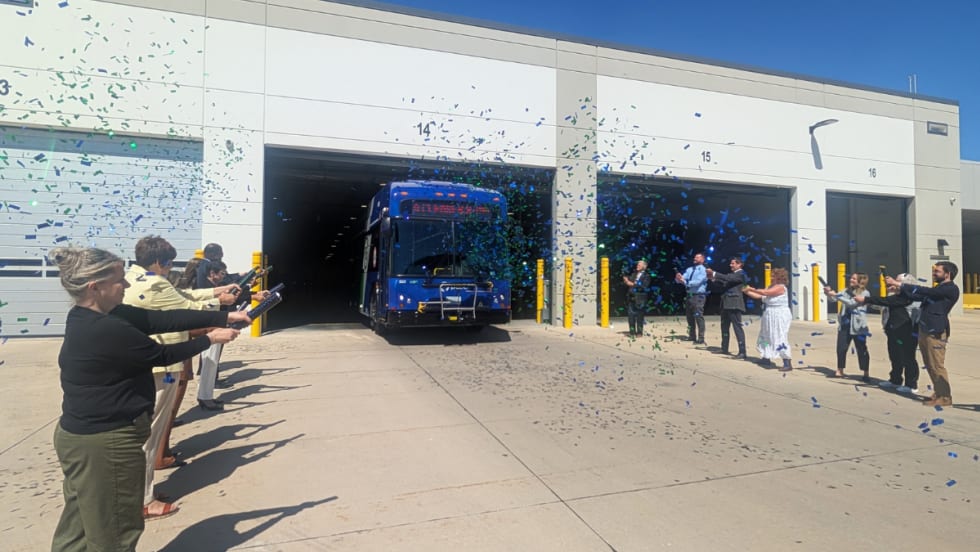
Chicago’s Pace Deploys 24 Hybrid-Electric Buses in Will County
The new buses reduce emissions and fuel consumption while advancing the agency's long-term goal of transitioning to a fully zero-emission fleet.
Read More →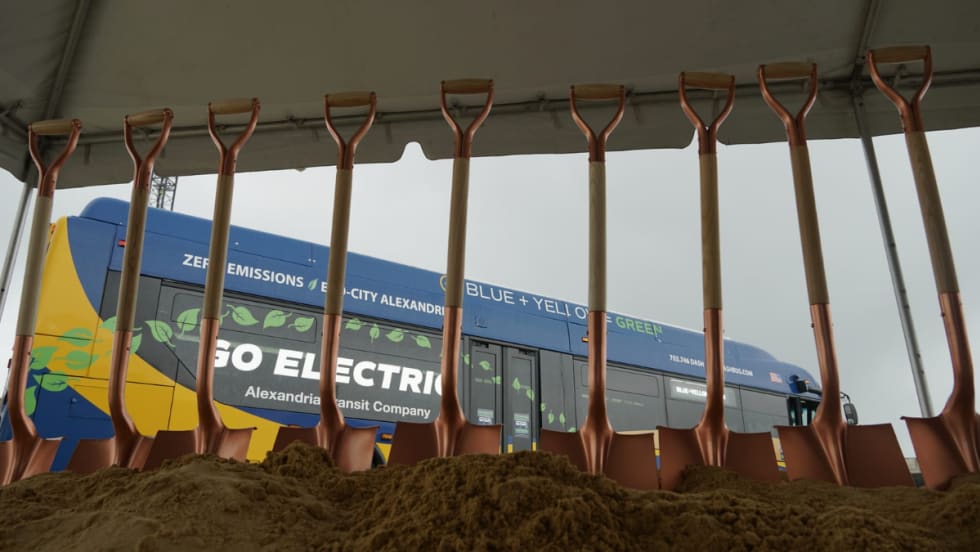
DASH Breaks Ground on First On-Route Electric Bus Chargers in D.C. Region
The fast-charging infrastructure will help extend electric bus range, improve fleet utilization, and support DASH's goal of transitioning to a fully zero-emission fleet.
Read More →