



Metro-North launches plan to enhance, upgrade rail system
Way Ahead is a proactive response to growing ridership, changing demographics, and the evolving needs of customers.

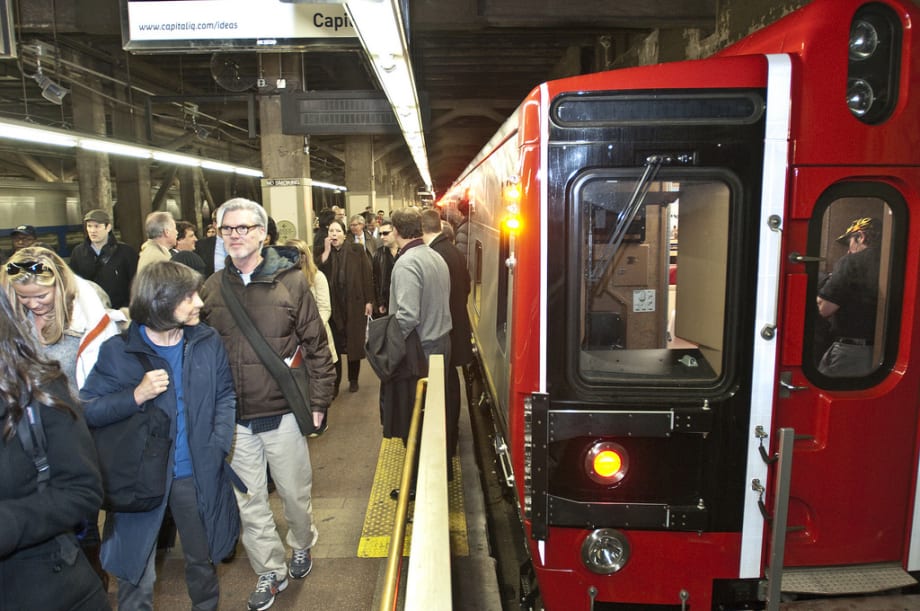
Since 2013, Metro-North has significantly upgraded its infrastructure, reinvigorated its cyclical track maintenance program, and bought new technology to help identify track defects.
Patrick Cashin
Since 2013, Metro-North has significantly upgraded its infrastructure, reinvigorated its cyclical track maintenance program, and bought new technology to help identify track defects.
Patrick Cashin
MTA Metro-North Railroad launched “Way Ahead,” a roadmap for the railroad’s future that details actions to enhance safety, service, infrastructure, communications, and transform customers’ day-to-day commuting experience. Way Ahead is a proactive response to Metro-North’s growing ridership, changing demographics, and the evolving needs of customers.
Way Ahead lays the foundation for the continued growth and vitality of the railroad. Since Metro-North was formed in 1983, ridership has boomed from just over 41 million customers a year, primarily to and from “nine-to-five” jobs in New York City, to an all-time high of 86.5 million customers in 2017. In addition to higher ridership numbers, with reverse commuting and customers taking trips at all hours of the day and night, the system is being used much differently than it was back in the early days of Metro-North.
At the same time as Metro-North’s customer expectations are evolving and ridership patterns are changing, the ability of its aging infrastructure to adapt to those changes is increasingly strained. Some of the rail in Grand Central Terminal is more than 100 years old. The Park Avenue Viaduct — which carries 98% of Metro-North’s customers — was constructed in 1893. Way Ahead tackles ways to renew infrastructure so that Metro-North can meet our customers’ desire for better service.
Since 2013, Metro-North has significantly upgraded its infrastructure, reinvigorated its cyclical track maintenance program, and bought new technology to help identify track defects. The agency invested heavily in its Safety Department and developed programs like confidential close call reporting and sleep apnea screening to foster a strong safety culture among our employees. Way Ahead builds upon this momentum with new safety initiatives.
Through Way Ahead, Metro-North will enhance the day-to-day experience of commuting for customers, including making improvements to how the railroad communicates with its customers in every way possible — social media, on the train, on platforms, and through other avenues, like the new Mymta app. The railroad will more rigorously maintain its stations and platforms, making them cleaner, more inviting, and generally more pleasant to be on, improving the daily commute.
Way Ahead is our roadmap to continue to provide the best possible service to our customers,” said Catherine Rinaldi, Metro-North president. “Its vision is clear, to set the standard for safety, reliability, and innovation in the delivery of excellent customer service. Guided by our past experiences, we look forward to developing an even stronger Metro-North for the future.”
More Rail
Amtrak, CN Reach Agreements to Strengthen Passenger Rail Service, Safety
The agreement resolves a more than decade-long proceeding before the Surface Transportation Board concerning the terms and conditions for Amtrak services, such as the City of New Orleans, Illini/Saluki, and Wolverine.
Read More →
New York MTA Advances Final Contract for Second Avenue Subway Expansion
Contract Four is the largest in the Second Avenue Subway Phase 2 project and includes construction of station infrastructure, tracks, and signals for the subway expansion, MTA officials said. Work on Contract Four will begin in 2027.
Read More →
San Diego MTS Breaks Monthly Trolley Ridership Record
Agency officials said July’s ridership indicates MTS’s continued recovery from the pandemic.
Read More →
Report Examines NJ TRANSIT Reliability, Funding Challenges
The Garden State Initiative analysis examines the roles of Amtrak infrastructure, fleet management, and agency operations while recommending a more performance-based approach to improving reliability.
Read More →
Stadler, CapMetro Sign Long-Term Rail Fleet Support Agreement
Beginning in 2027, Stadler will provide on-site technical expertise, spare parts support, training, and obsolescence management to help extend the reliability and longevity of CapMetro’s GTW fleet.
Read More →
Biz Briefs: Alstom Lands Canadian Contract, LYT to Supply California TSP, and More
In METRO's latest installment, we take a look at recent news from Complete Coach Works, Beep, FlixBus, and more partnerships making headlines across the transportation sector.
Read More →
CATS Gold Line Marks 5 Years of Service, 2.8M Passenger Trips
With a six-mile expansion planned, the Charlotte streetcar is positioned to connect more neighborhoods and major transit hubs across the region.
Read More →
Why Simulating Pedestrian Movement Has Become Essential for Modern Rail Stations
Pedestrian microsimulation is helping rail planners identify bottlenecks, test station designs, and prepare complex transit hubs for growing passenger volumes.
Read More →
Amtrak Begins Major Construction at New York’s Sunnyside Yard
The new maintenance facility will support Amtrak’s Airo trainsets while improving maintenance efficiency and turnaround times in New York.
Read More →
Chicago Leaders Unveil Plans for O’Hare Airport Express Train
The privately developed project would offer a 15-minute trip between downtown and O’Hare’s Terminal 2, with trains operating every 15 minutes on a dedicated track. The service would use battery-electric trains and three existing freight rail rights-of-way.
Read More →