



Metro North rebuilds Conn. switching complex 4 months ahead of schedule
Metro-North was able to dramatically speed up the control house restoration by taking equipment that had already been built and was ready for installation at another complex that had a switch layout that was virtually identical. The equipment that was repurposed uses the most modern technology, reducing the amount of complicated wiring that had been damaged in a May 10 fire.

Metro-North Railroad employees have successfully rebuilt a switching control house in Cos Cob, Connecticut. The restoration, completed four months ahead of an initial, already expedited schedule, means that a nine-mile section of the New Haven Line’s tracks between Port Chester, N.Y., and Stamford, Conn., is fully operational for the first time since May 10, when a fire destroyed the previous control house.
The restored control house allows train dispatchers to switch trains from one track to another by moving small segments of rail in a complex of switches. Metro-North was able to dramatically speed up the control house restoration by taking equipment that had already been built and was ready for installation at another complex that had a switch layout that was virtually identical. The equipment that was repurposed uses the most modern technology, reducing the amount of complicated wiring that had been damaged in the May 10 fire.
Rebuilding a new control house would normally take 18 months of design, fabrication, installation and testing. Initially, Metro-North had expected to expedite that by using a retired switching complex. The railroad ultimately expedited it further by repurposing the modern complex.
The final component of the restoration – shifting control from a temporary emergency wayside control house back to Metro-North’s Operations Control Center in New York City – took place this past weekend, Sept. 6 and 7.
As a result of the May 10 fire and the resulting loss of the ability to switch trains from one track to the next, Metro-North forces initially had to lock switches into place through a procedure known as blocking and spiking. Two tracks were locked into hosting westbound trains only and two were locked into eastbound service.
Because trains normally use three of the New Haven Line’s four tracks to travel in the peak direction during rush hours, a two-track bottleneck had created the potential for congestion-related rush hour delays.
In late May, Metro-North workers installed an emergency manual panel at Cos Cob that allowed limited switching capability by a signal maintainer who had to be stationed at the site at all times and in continuous communication with the Operations Control Center. This enabled Metro-North to make three of the four tracks available in each rush hour’s peak direction, easing congestion.
However, the ability to switch trains from one track to another remained limited. In the event of any operational problems that could have arisen in the area, train workers would have had manually switch trains from one track to another, a cumbersome process taking up to 20 minutes to perform.
More Management

VIA Metropolitan Transit Reports 2 Million More Passenger Trips as Better Bus Plan Gains Momentum
San Antonio's transit agency said accelerated service improvements are driving ridership growth, offering another example of how increased frequency and workforce investments can translate into stronger transit performance.
Read More →
ABAF Study Reveals Growing Insurance Crisis for Motorcoach Operators
Preliminary findings show 98% of operators faced premium increases over the past five years, while shrinking insurer participation is putting added pressure on businesses and customers.
Read More →
PSTA Modernizes Workforce Management with Digital Bidding System
The award-winning Workforce Transit Modernization project replaced paper bidding with a transparent digital platform, cutting administrative effort while improving access for operators.
Read More →
Chicago to Host Public Transportation's Biggest Gathering at APTA TRANSform & EXPO 2026
North America’s largest public transportation gathering returns to Chicago, connecting transit decision-makers with the technologies, ideas, and partnerships driving the industry forward.
Read More →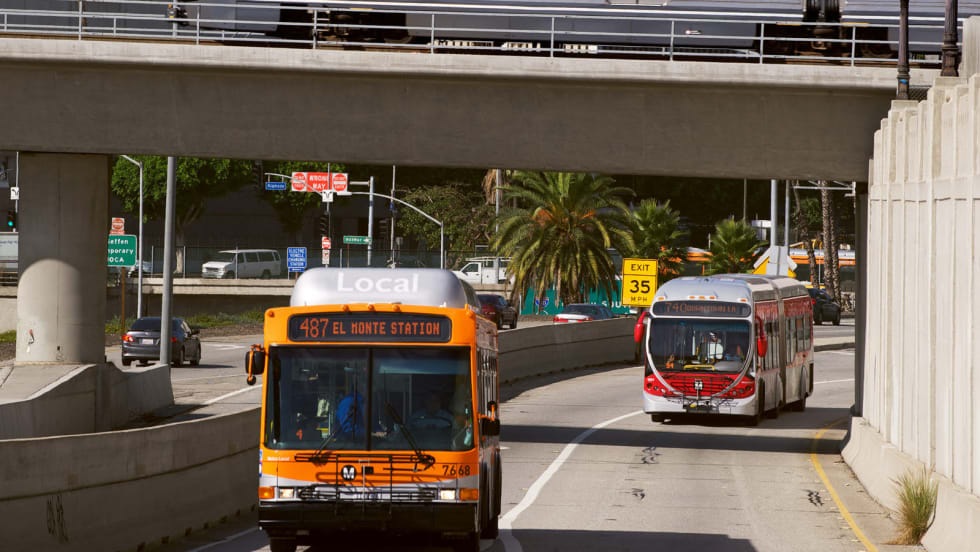
New Tricks for Old Bureaucracies: Joshua Schank on Making Transit Innovation Stick
Former LA Metro Chief Innovation Officer Joshua Schank discusses why good ideas aren't enough, how transit agencies can overcome resistance to change, and why today's challenges demand more innovation.
Read More →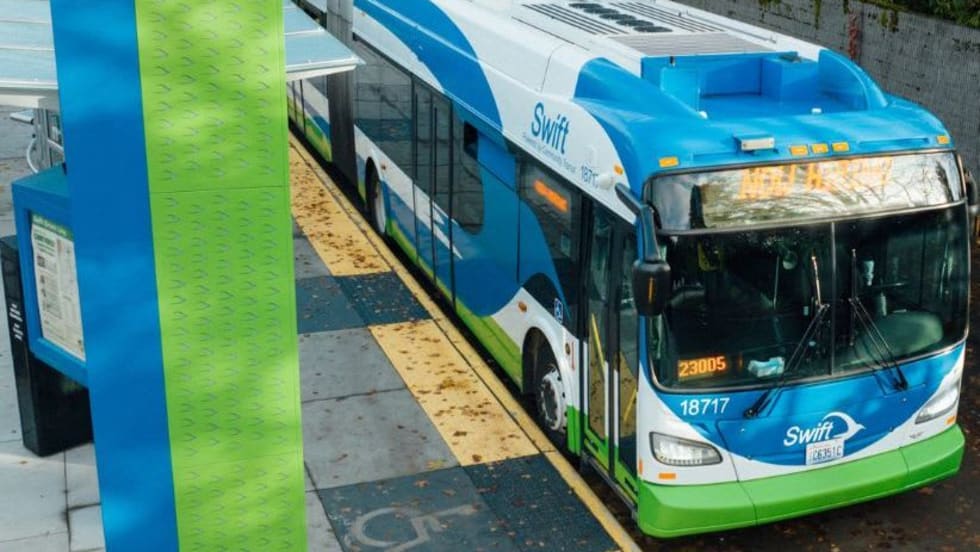
Washington's Community Transit Sets Six-Year Roadmap for Growth, Expansion
Approved TDP targets more bus service, new mobility options, Swift BRT expansion, and a potential Everett Transit annexation.
Read More →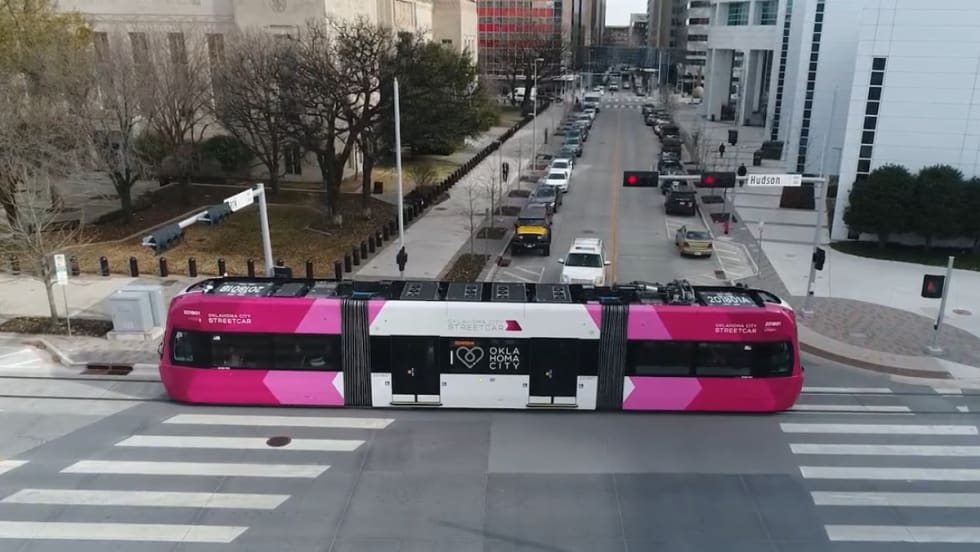
OKC Streetcar Makes Zero-Fare Service Permanent
Ridership increased an average of 71% compared with the same period a year earlier during the fare-free pilot.
Read More →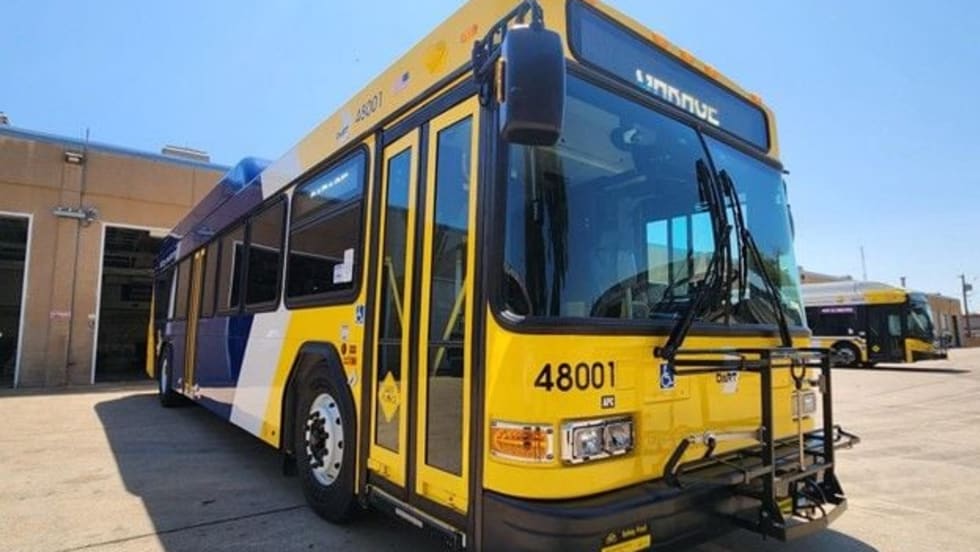
DART Customer Satisfaction Reaches Six-Year High
Overall satisfaction rose to 74.9%, while the agency’s Net Promoter Score reached a record 33.7.
Read More →
House Surface Transportation Bill Advances as Transit Funding Debate Intensifies
A bipartisan transportation package moving through Congress could redefine how the U.S. funds highways, transit, and motorcoach travel, while igniting new fights over electrification, regulation, and federal priorities.
Read More →
How Data, Strategy, and Community Engagement Are Reshaping Transit
In this edition of METROspectives, strada360 CEO Steve Lassey discusses how transit agencies can better align planning with operations, leverage data to improve decision-making, and build public trust as they prepare for the future of mobility.
Read More →