



Mich. university, The Rapid partner for commuter service
The primary purpose of providing the new bus service is to make it easier for current and prospective students from the Grand Rapids area to enroll at Ferris State University's Big Rapids campus.


Courtesy Ferris State University
[IMAGE]Ferris-2.jpg[/IMAGE]Beginning the first day of the upcoming fall semester, Michigan's Ferris State University and The Rapid transit agency will launch a new shuttle bus service from Grand Rapids to Big Rapids. The shuttle bus will originate in downtown Grand Rapids at The Rapid's central station. Its route to and from Ferris' main campus in Big Rapids will include one scheduled stop.
The primary purpose of providing the new bus service is to make it easier for current and prospective students from the Grand Rapids area to enroll at Ferris' Big Rapids campus.
"The University is interested in meeting the needs and desires of our students and employees. Because of this interest, the university created the pilot program to offer the service for a two-year period of time," said Ed Shepard, business services manager at Ferris State. "...Increased fuel cost and interest in sustainability has also elevated the interest in this shuttle service by both employees and students."
Although the shuttle bus service is available to anyone, it is primarily intended for current and prospective students who permanently reside in Kent County and are already enrolled or intend to enroll at Ferris' Big Rapids campus.
It is not known how many Ferris students will actually use the service, according to Shepard, however, the university administration believes there should be sufficient capacity on the 40-seat commuter bus to accommodate faculty and staff as well.
"Both Ferris and The Rapid will be evaluating the success of the program and schedule changes may occur as the program matures," said Shepard. "We are optimistic that the pilot program will be a success and when it is we will evaluate the best way to make the service itself be an ongoing service."
[IMAGE]TheRapid-2.jpg[/IMAGE]Annual costs to operate the bus service are estimated at $100,000 and would be covered by a combination of university funding and revenue from rider fares.
Riders can purchase a shuttle bus card for unlimited use for $700 per semester, which must be paid in full at the time of purchase or charged to their student accounts at the time of purchase. Ferris faculty and staff can use payroll deduction as a form of payment. One-way trips are also available for $8.
The 40-foot commuter bus, which will be operated by The Rapid, has a seating capacity of 40 passengers and standing room for approximately 20 passengers. There is a bike rack with capacity for two bikes, and the bus can accommodate two wheelchair riding passengers, and potentially, a third if the passenger can store the chair and ride in a bus seat.
"The Rapid brings great benefit to the program considering they are experienced in the business and have a network of bus routes in the Grand Rapids area that provide a means for riders get to a centralized location in Grand Rapids to board the shuttle bus to Big Rapids," said Shepard.
The Rapid also partners with Grand Valley State University to provide free transportation for its students, faculty and staff.
More Management
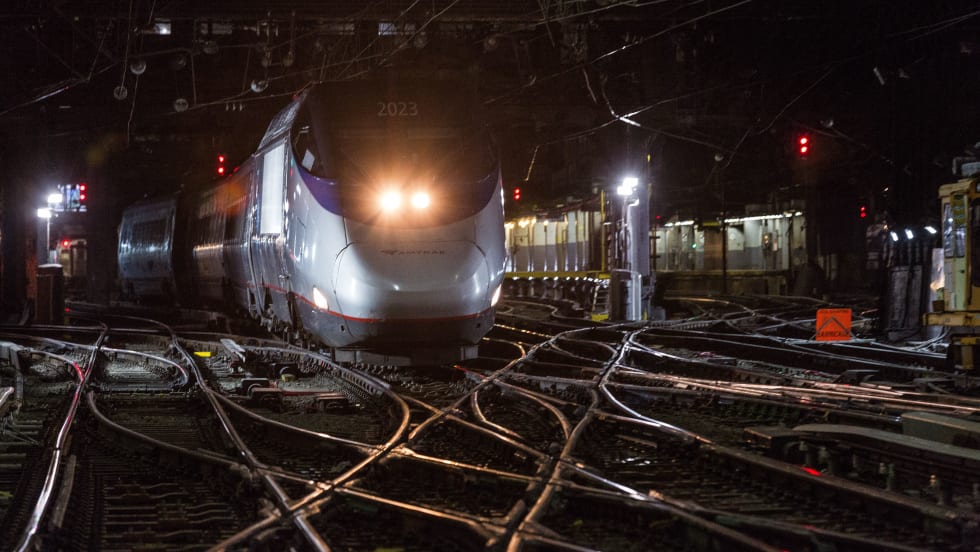
Amtrak Board Advances Plan to Restructure Organization, Seeks Public Input
The proposal, developed by Amtrak management and approved by the board for further consideration, is intended to modernize the organization's structure while improving accountability, operational efficiency, and customer service.
Read More →
Turn Transit Data Into Action
Discover how leading agencies are using connected technology to gain real-time visibility across operations, improve service reliability, and reduce disruptions.
Read More →
What Transit-Oriented Development Means for the Future of Public Transportation
Once viewed primarily as transit operators, agencies are now leveraging land, partnerships, and long-term planning to boost ridership, expand housing, and strengthen communities.
Read More →
USDOT Announces $22 Million for Transit Innovation, Updates High-Speed Rail Rules
New federal transit funding will support safety, accessibility, and technology projects as updated rail regulations establish new noise standards for high-speed trains.
Read More →
Transportation Construction Coalition Unveils Infrastructure Case Studies Ahead of Federal Funding Deadline
The coalition noted the next surface transportation bill should provide sustained investment in highways and public transit to strengthen freight movement, improve safety, and support economic growth.
Read More →
People Movement: American Bus Association Extends Ferguson and More
METRO’s People Movement highlights the latest leadership changes, promotions, and personnel news across the public transit, motorcoach, and people mobility sectors.
Read More →
METRO Magazine Announces 2026 Innovative Solutions Awards Winners
Projects Recognized for Advancing Mobility Through Technology, Accessibility, Workforce Innovation, and Operational Excellence
Read More →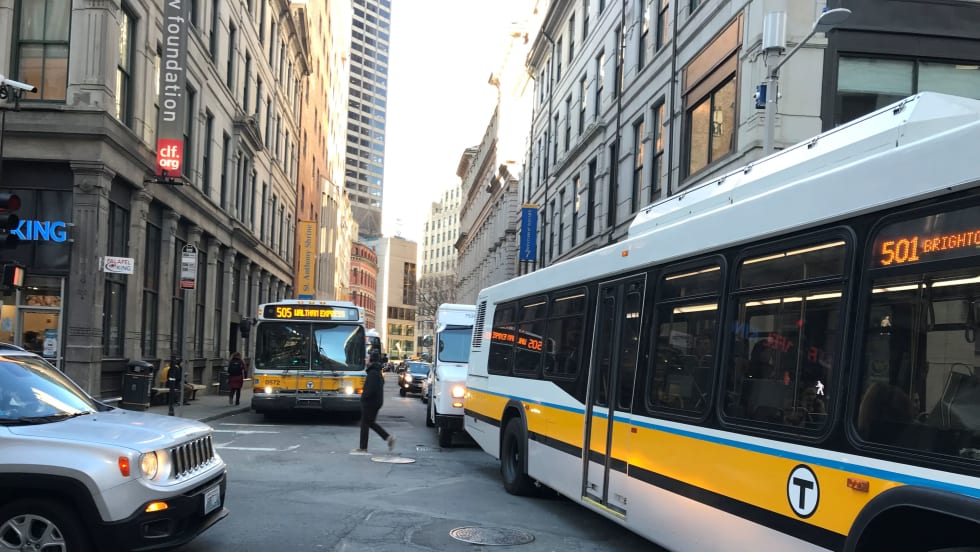
MBTA Rolls Out Pilot Programs to Cut Costs, Simplify Travel
Three new fare pilots — including unlimited two-hour transfers, reduced express bus fares, and free transit for eligible seniors — will launch this fall as Massachusetts extends popular commuter rail discounts through November.
Read More →
FTA Opens $610 Million Funding Opportunity for Bus Infrastructure Projects
The latest Notice of Funding Opportunity provides transit agencies with funding for bus facilities, fleet modernization, and low- and no-emission vehicles, with applications due September 21.
Read More →
Biz Briefs: STV teams with Amtrak, Motorcoach Operators Boost Fleet and Land Contracts, and More
From manufacturers and suppliers to transit agencies and motorcoach operators, these updates offer a snapshot of the projects, partnerships and business moves driving the industry forward.
Read More →