



Minn. Metro cuts Northstar fares
Most weekday trips on the Northstar Commuter Rail will cost $1 less beginning Aug. 1. The initiative kicks off a promotional campaign to show commuters in the Northwest metropolitan area that now is the time to try Northstar.

Minneapolis’ Metro Transit reduced fares for most weekday trips on the Northstar Commuter Rail by $1 beginning Aug. 1. The initiative kicks off a promotional campaign to show commuters in the Northwest metropolitan area that now is the time to try Northstar.
The campaign encourages commuters driving alone in the Northstar corridor to trade unpredictable, start-and-stop rush hour traffic for reliable, smooth travel on Northstar trains. The campaign will include advertising in community newspapers and on billboards along the Highway 10 corridor as well as a direct mailing targeted to downtown workers living near stations along the line.
“Surveys show that once commuters try Northstar, they value it and keep riding,” said Brian Lamb, GM, Metro Transit. “However, surveys also show that non-riders perceive fares to be too high. This promotion encourages those commuters to get on board and experience the comfort and near-perfect on-time performance of Northstar.”
In addition, Metro Transit is working with companies that offer the Metropass employer-based transit program to promote the fare reduction to employees. Nearly 33,000 commuters are enrolled in the Metropass program, which is available to 177,000 employees at 267 Twin Cities employers. Because customers with Metropasses receive a $3 credit toward every Northstar trip, they will be able to ride Northstar for no additional charge when they board at Anoka, Coon Rapids and Fridley stations or travel between stations.
Although weekday commuters are the primary market for the campaign, downtown event-goers, bicyclists and other groups will also benefit from the lower fares. Regularly scheduled or special Northstar trains serve all Twins and Vikings games.
The goals of the fare reduction promotion are to build long-term ridership and maximize the regional investment in Northstar. The region’s first modern commuter rail line has operated within budget since opening on Nov. 16, 2009, despite falling short of pre-launch ridership projections.
More Rail

Biz Briefs: STV teams with Amtrak, Motorcoach Operators Boost Fleet and Land Contracts, and More
From manufacturers and suppliers to transit agencies and motorcoach operators, these updates offer a snapshot of the projects, partnerships and business moves driving the industry forward.
Read More →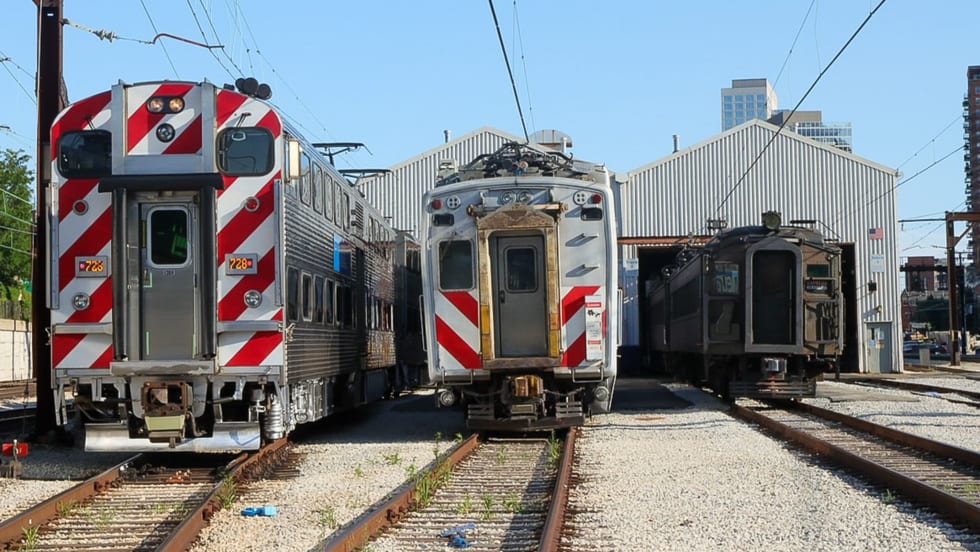
Metra Celebrates 100 Years of Electric Rail, Looks to the Future
The event was also a celebration of recent reforms to public transportation in the Chicago area, changes that could be as transformative in the future as the major civic achievement a century ago, said officials.
Read More →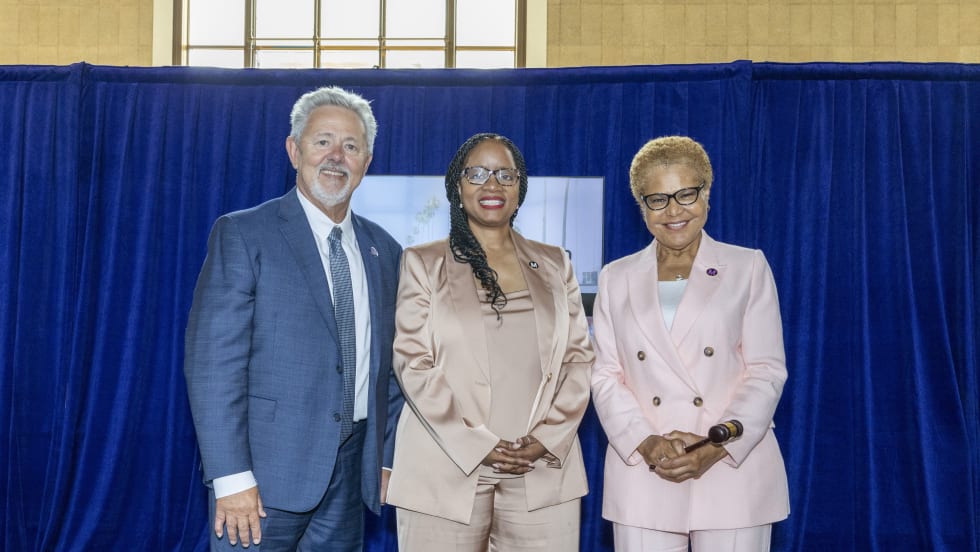
LA Metro Marks Banner Year, Sets Ambitious Goals for New Fiscal Year
Incoming LA Metro Board Chair and Los Angeles Mayor Karen Bass joined outgoing Board Chair Fernando Dutra and LA Metro CEO Stephanie Wiggins to review accomplishments from fiscal year 2026, which included the opening of new rail extensions, advancement of major transit projects, expanded safety programs, and new rider amenities.
Read More →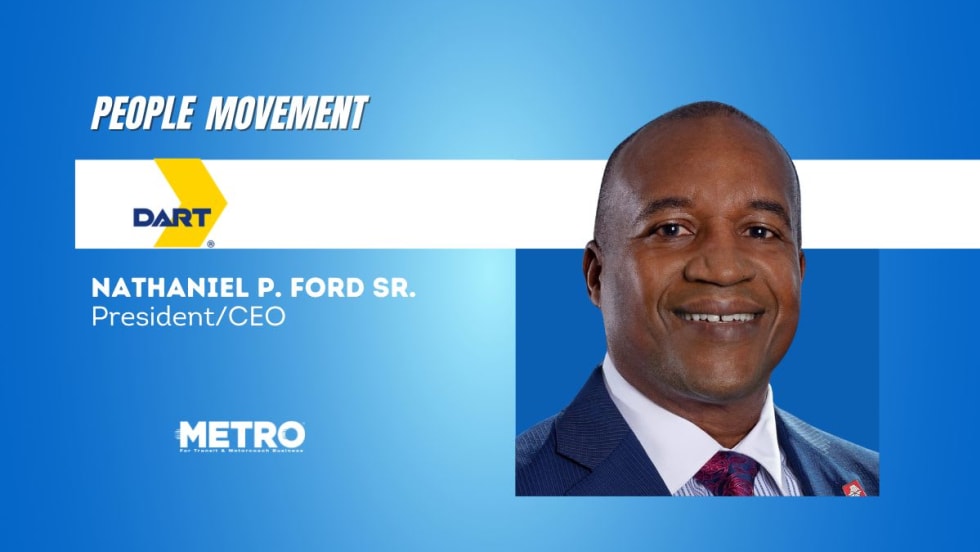
DART Taps Nathaniel P. Ford Sr. as Next President/CEO
Since 2012, Ford has served as the CEO of the Jacksonville Transportation Authority
Read More →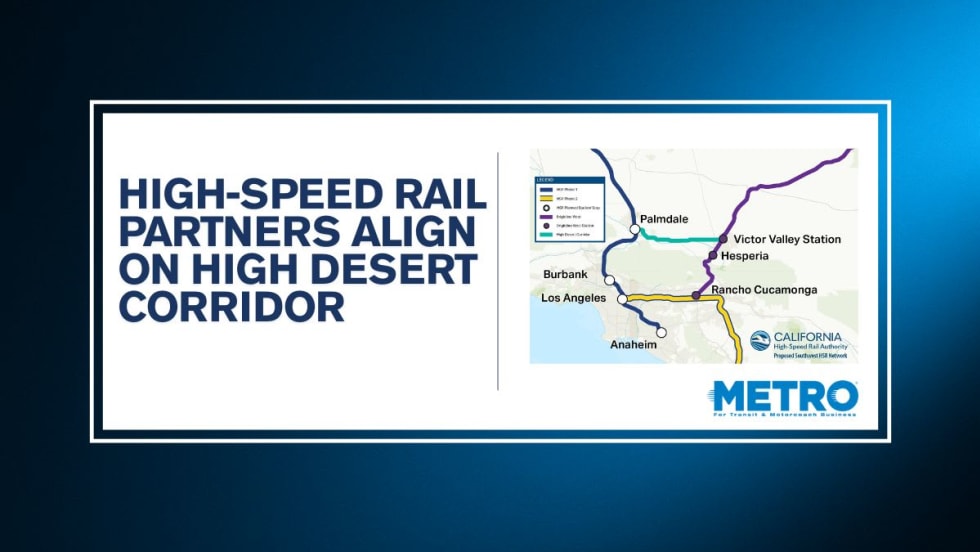
California High-Speed Rail Authority Signs MOU to Advance High Desert Corridor
The agreement deepens collaboration between the California High-Speed Rail Authority and the High Desert Corridor Joint Powers Agency, supporting design integration, cost savings, and faster delivery of a key Southern California rail link.
Read More →
Building the Next Generation of Transit Technology
In this edition of METROspectives, Luminator CEO Magnus Friberg discusses the company's transformation, the growing role of AI and software, and what's next for transit technology.
Read More →
How Data, Strategy, and Community Engagement Are Reshaping Transit
In this edition of METROspectives, strada360 CEO Steve Lassey discusses how transit agencies can better align planning with operations, leverage data to improve decision-making, and build public trust as they prepare for the future of mobility.
Read More →
TTC Launches Camera Pilot to Curb Illegal Passing of Streetcars
During the pilot, the cameras will measure how often illegal streetcar passing occurs and test the technology's reliability for future automated enforcement.
Read More →
NJ TRANSIT Secures Capital Funding, Adopts FY2027 Budget
The budgets continue investments in infrastructure and equipment to maintain the system in a state of good repair and enhance the overall customer experience.
Read More →
Biz Briefs: Masabi Teams with St. Louis Metro and More
In METRO's latest installment, we take a look at recent news from Transdev, Hitachi, and more partnerships making headlines across the transportation sector.
Read More →