Montgomery County Breaks Ground on Renewable Energy-Powered Transit Depot
The County operates the second-largest bus fleet in the Washington, D.C. region. Its David F. Bone Equipment Maintenance and Transit Operations Center is a major depot within Ride On Montgomery's network and the fifth largest County-owned energy consumer.
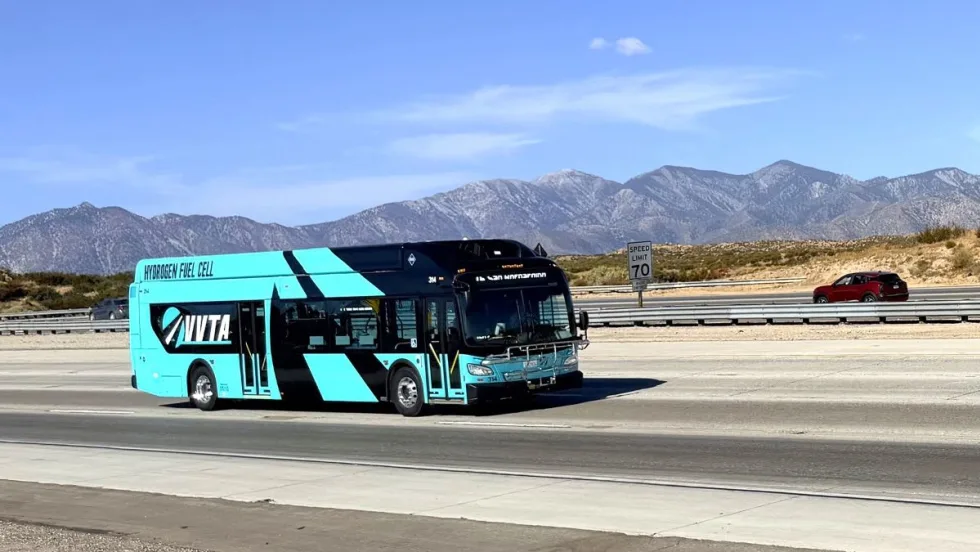
By 2035, the depot is projected to accommodate 200 zero-emissions buses, of which most will be hydrogen fuel cell electric buses.
Photo: AlphaStruxure
3 min to read
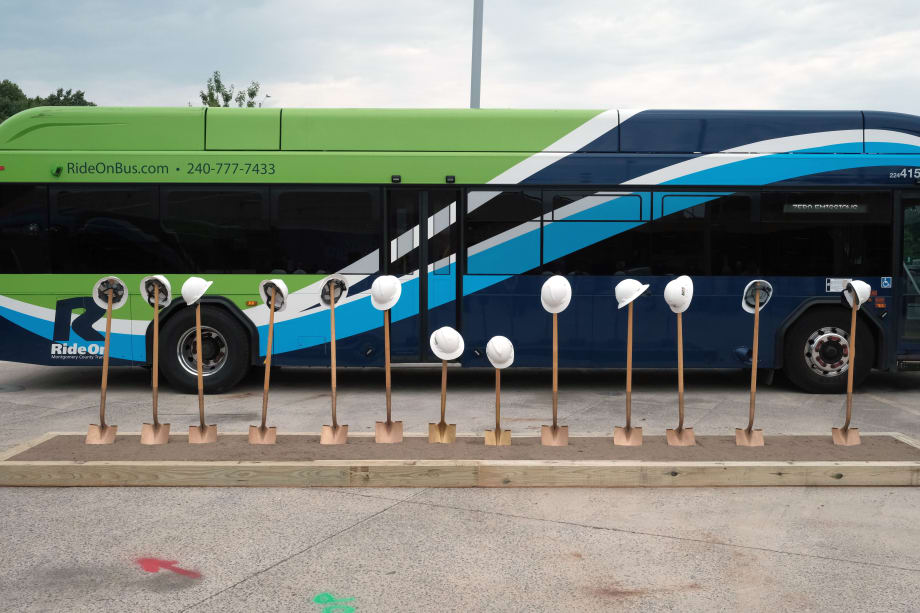
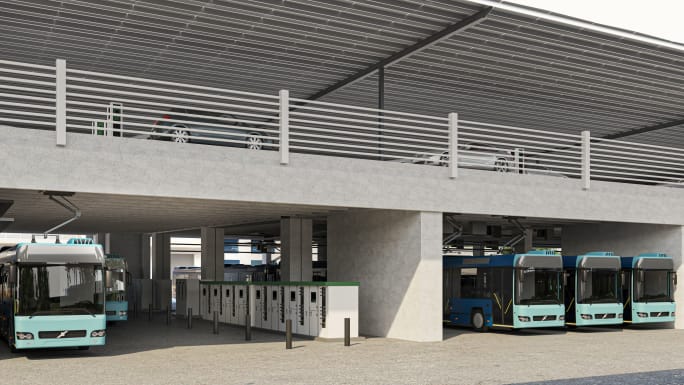
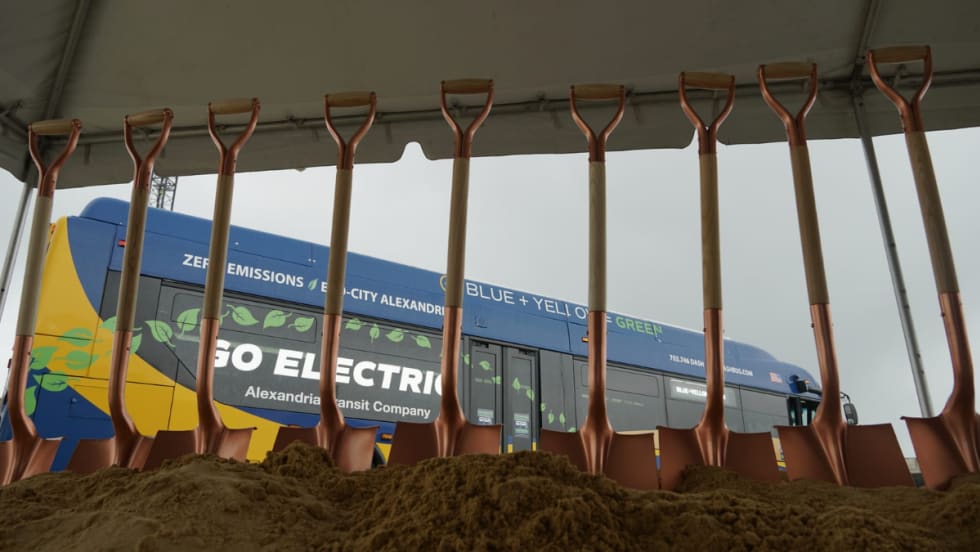
Montgomery County, Md., and AlphaStruxure broke ground on an integrated microgrid infrastructure project, featuring electric bus charging and on-site green hydrogen production powered by solar and battery energy storage.
Keying in on Zero Emissions
The County operates the second-largest bus fleet in the Washington, D.C. region. Its David F. Bone Equipment Maintenance and Transit Operations Center is a major depot within Ride On Montgomery's network and the fifth largest County-owned energy consumer.
Ad Loading...
By 2035, the depot is projected to accommodate 200 zero-emissions buses, of which most will be hydrogen fuel cell electric buses (FCEBs).
Microgrid Construction
The microgrid's construction is expected to be completed in 2025, when the system will begin sending renewable energy back to the grid and have the ability to power zero-emissions buses.
The microgrid follows the launch of the Brookville Smart Energy Bus Depot in 2022, which was the County's first fully constructed microgrid-powered bus depot and also led by AlphaStruxure.
Together, the two depots will eventually power about 335 zero-emissions transit buses, according to the County's latest fleet transition plan.
The microgrid follows the launch of the Brookville Smart Energy Bus Depot in 2022, which was the County's first fully constructed microgrid-powered bus depot and also led by AlphaStruxure.
Photo: AlphaStruxure
100% Zero Emissions Goal
Fueling the County's FCEBs with green hydrogen produced by the microgrid's solar array advances the County's goal of reaching a 100% reduction in carbon emissions by 2035.
Ad Loading...
The microgrid also enables the County to reduce its Scope 1 and 2 emissions by 4,000 metric tons of CO2 per year, equivalent to approximately 780 homes' annual electricity use. The County will also use the microgrid to advance equity.
The microgrid will support zero-emissions buses for cleaner air and less congestion along its bus rapid transit (BRT) network, which serves many minority and low-income riders. It will also support new career and training opportunities for underserved communities through a County apprenticeship program.
Like the Brookville depot, this existing depot will remain fully operational throughout its 28-phase construction process, with no impact on transit services.
The microgrid will provide sustainable, resilient power to a mixed fleet of battery electric and FCEBs, along with the facility's five buildings. It will also be interconnected to the Pepco utility grid and is engineered to operate in island mode indefinitely, ensuring uninterrupted service for the County's constituents during extended grid or power outages and emergency situations.
Specifically, the microgrid will include:
Ad Loading...
5.65 MWDC of rooftop and canopy solar generation.
2 MW/6.88 MWh battery energy storage.
Up to 2.25 MW of charging capacity.
1 MW hydrogen electrolyzer.
Software tools and IoT-connected hardware.
AlphaStruxure and the County will leverage a close partnership with the local utility, Pepco, to deploy the large-scale microgrid on a rapid timeline.
In addition to powering on-site production of green hydrogen, a resilient fuel source for FCEBs, the microgrid will also be able to send up to two megawatts (MWs) of renewable energy back to the utility grid via a Pepco net metering program.
See how three Gillig battery-electric buses powered festival stages while the agency’s new Park & Ride service carried approximately 1,000 attendees, demonstrating another potential use for transit agencies’ electric fleets.
The new name represents a renewed vision for the nonprofit focused on advancing clean, equitable, and affordable transportation solutions that move people and goods.
John Hroncich discusses BAE Systems’ modular and scalable approach, lessons learned from decades of real-world operations, and how agencies can identify electrification strategies that fit their fleets.
UB, transportation solutions provider WeDriveU, and fleet electrification specialist Zenobē marked the deployment in the presence of students, university administrators, and local officials.
From manufacturers and suppliers to transit agencies and motorcoach operators, these updates offer a snapshot of the projects, partnerships and business moves driving the industry forward.
The agency’s maintenance chief discusses leadership, workforce development, zero-emission technology, and preparing technicians for the future of public transportation.
The firm will work with CTDOT and RVT to define the facility layout, operational requirements, and long-term flexibility for RVT’s growing electric fleet.
The fast-charging infrastructure will help extend electric bus range, improve fleet utilization, and support DASH's goal of transitioning to a fully zero-emission fleet.