




RELATED: New 'clean' vehicle, fuel policies can cut pollution by 35% by 2030
More than 90% of the world’s children breathe toxic air every day
In 2016, 600,000 children died from acute lower respiratory infections caused by polluted air.
October 29, 2018
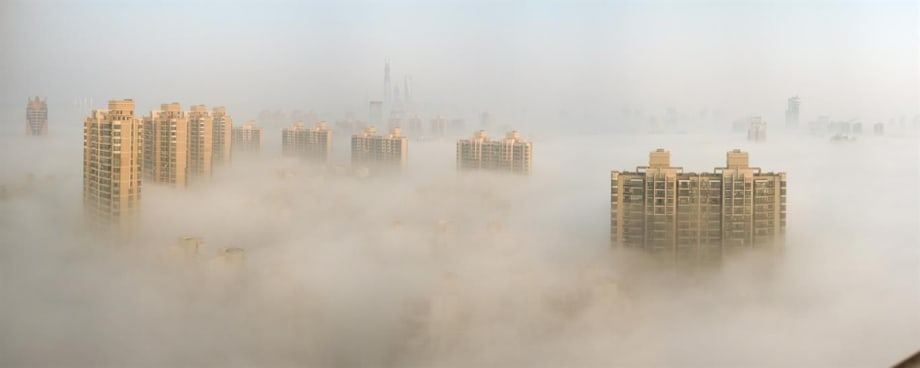
Every day around 93% of the world’s children under the age of 15 years (1.8 billion children) breathe air that is so polluted it puts their health and development at serious risk, according to 2018 WHO data. Photo: Flickr-Leniners
3 min to read
Every day around 93% of the world’s children under the age of 15 years (1.8 billion children) breathe air that is so polluted it puts their health and development at serious risk, according to 2018 WHO data. Photo: Flickr-Leniners
Every day around 93% of the world’s children under the age of 15 years (1.8 billion children) breathe air that is so polluted it puts their health and development at serious risk, according to a new report. In 2016, 600,000 children died from acute lower respiratory infections caused by polluted air, according to the World Health Organization (WHO), authors of the report.
The report, which focuses on air pollution and child health, is being launched on the eve of WHO’s first ever Global Conference on Air Pollution and Health.
It reveals that when pregnant women are exposed to polluted air, they are more likely to give birth prematurely, and have small, low birth-weight children.
Air pollution also impacts neurodevelopment and cognitive ability and can trigger asthma, and childhood cancer.
Children who have been exposed to high levels of air pollution may be at greater risk for chronic diseases such as cardiovascular disease later in life.
One reason why children are particularly vulnerable to the effects of air pollution is that they breathe more rapidly than adults and so absorb more pollutants.
They also live closer to the ground, where some pollutants reach peak concentrations — at a time when their brains and bodies are still developing.
Key findings:
Air pollution affects neurodevelopment, leading to lower cognitive test outcomes, negatively affecting mental and motor development.
Air pollution is damaging children’s lung function, even at lower levels of exposures
Globally, 93% of the world’s children under 15 years of age are exposed to ambient fine particulate matter (PM2.5) levels above WHO air quality guidelines, which include the 630 million of children under 5 years of age, and 1.8 billion of children under 15 years
In low- and middle-income countries around the world, 98% of all children under 5 are exposed to PM2.5 levels above WHO air quality guidelines. In comparison, in high-income countries, 52% of children under 5 are exposed to levels above WHO air quality guidelines.
More than 40% of the world’s population — which includes for 1 billion children under 15 — is exposed to high levels of household air pollution from mainly cooking with polluting technologies and fuels.
About 600,000 deaths in children under 15 years of age were attributed to the joint effects of ambient and household air pollution in 2016.
Together, household air pollution from cooking and ambient (outside) air pollution cause more than 50% of acute lower respiratory infections in children under 5 years of age in low- and middle-income countries.
Air pollution is one of the leading threats to child health, accounting for almost 1 in 10 deaths in children under five years of age.
WHO’s First Global Conference on Air Pollution and Health, which opens in Geneva Oct. 30, will provide the opportunity for world leaders; ministers of health, energy, and environment; mayors; heads of intergovernmental organizations; scientists and others to commit to act against this serious health threat, which shortens the lives of around seven million people each year.
Actions should include:
Action by the health sector to inform, educate, provide resources to health professionals, and engage in inter-sectoral policy making.
Implementation of policies to reduce air pollution: All countries should work towards meeting WHO global air quality guidelines to enhance the health and safety of children. To achieve this, governments should adopt such measures as reducing the over-dependence on fossil fuels in the global energy mix, investing in improvements in energy efficiency and facilitating the uptake of renewable energy sources. Better waste management can reduce the amount of waste that is burned within communities and thereby reducing ‘community air pollution’. The exclusive use of clean technologies and fuels for household cooking, heating and lighting activities can drastically improve the air quality within homes and in the surrounding community.
Steps to minimize children’s exposure to polluted air: Schools and playgrounds should be located away from major sources of air pollution like busy roads, factories and power plants.
More Management

METRO Opens Submissions for 2026 Motorcoach Awards
Nominations are now being accepted for METRO Magazine’s Operator of the Year and Innovative Operator of the Year awards.
Read More →
New York MTA Advances Final Contract for Second Avenue Subway Expansion
Contract Four is the largest in the Second Avenue Subway Phase 2 project and includes construction of station infrastructure, tracks, and signals for the subway expansion, MTA officials said. Work on Contract Four will begin in 2027.
Read More →
Transit Agencies Highlight Safety Gains at National Summit
Leaders from 15 major transit systems shared crime-reduction results and safety initiatives while discussing the role of continued federal support.
Read More →

NITA Names New Leadership, Expands Reduced-Fare Program at First Board Meeting
The new regional transit authority appointed its first board chair and interim executive director while extending reduced fares across CTA, Metra, and Pace for eligible riders.
Read More →
Beyond the Checklist: A Structured Approach to Transit Maintenance
Reliability-Centered Maintenance helps transit agencies move beyond routine checklists to focus limited resources on the assets and failures that have the greatest impact on safety, reliability, and service.
Read More →
APTA 2026 Nominating Committee Selects Leadership Slate, Names Chair and Vice Chair Nominees
Leadership changes will help shape the association’s priorities and its representation of the transportation industry during the 2026–2027 term.
Read More →
DART Launches Major Security, Fare Enforcement Initiative
The 90-day demonstration will deploy coordinated security teams at five light rail stations while testing controlled access and gathering data to guide future investments.
Read More →
Sponsored•September 9, 2026
Advancing Fare Collection Through Technology and Innovation
Learn about delivering 1300 gates at 91 stations while managing fare evasion. Explore the large scale deployment, solution customization and real-world results that affect the region. Prepare for deployment in your region now.
Read More →
Game Day in Motion: Moving Millions During the 2026 World Cup
Between packed transit stations and team motorcoaches, see how agencies and operators across North America tackled the transportation demands of the 2026 FIFA World Cup.
Read More →
Surface Transportation Extension Averts Shutdown, Leaves Transit Funding Gap
The stopgap keeps federal transportation programs moving, but missing advance funding could complicate the transit and rail projects agencies are planning next.
Read More →