



MTI Explores Ways to Improve Public Transit
An MTI research associate explored avenues to improve public transit infrastructure planning to reduce costs and shorten timelines.

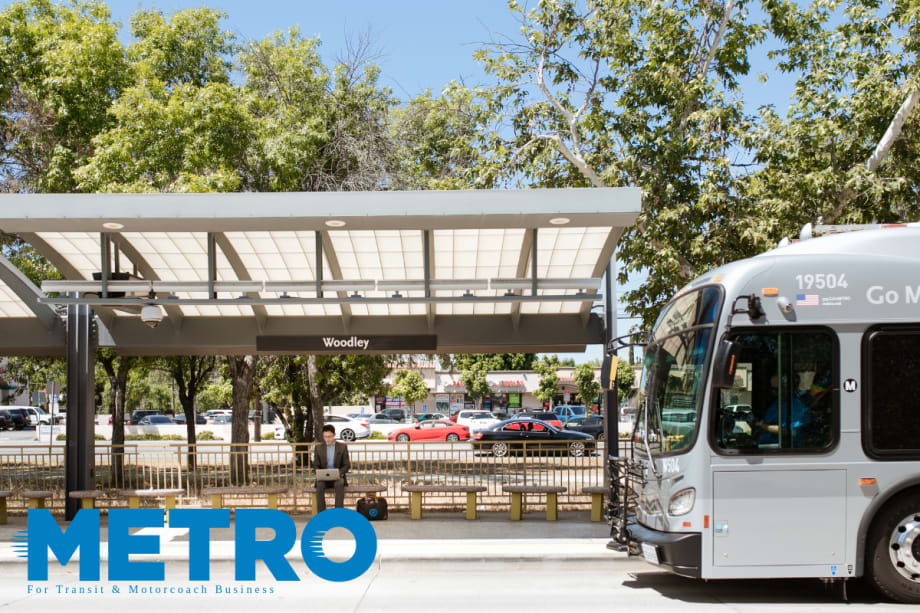
The perspective’s author suggests multiple ways to improve public transit, including a raise in funds.
Photo: Canva
Mineta Transportation Institute (MTI) released the latest perspective from research associate Joshua Schank, "Fixing Our Broken Transit Planning Process," which analyzes potential improvements to the planning process through a greater focus on outcomes over projects.
How to Improve Public Transit
Based on extensive analyses, the perspective’s author suggests that:
The first change must come before the official planning process even starts—as funds should be raised for an outcome rather than a project. Outcomes (e.g., reduced travel times) are the ultimate goals for the public and impact on communities, not necessarily the specific project.
Agencies should separate the planning and environmental processes to free each to focus on appropriate objectives, leading to more specific outcomes with lower costs and, potentially greater public impact and approval. Rather than conducting a mandated environmental review process in which public input is sometimes superficial, a separate planning process would free planners to incorporate public input more authentically. Planning agencies often design public outreach processes around a set of requirements. If instead they were designed around soliciting critical feedback, the entire process might feel more valuable for everyone involved.
Agencies should integrate planning, construction, and operations costs upfront. One strategy that has been effective is the use of a Project Charter wherein all parties agree before a project begins exactly what their role is in the project, and how decisions will be made. The charter can be updated throughout the process, but, at a minimum, it sets the expectation for how the project will unfold and assigns responsibilities to each department.
“There is a joke about transit agencies that goes as follows: planners plan a project that can’t be built, engineers engineer a project that can’t be operated, and operators operate a project very different from what was planned. It doesn’t have to be this way,” explained the authors.
More Bus

Indian River Transit’s Community-Focused Approach Earns National Recognition
Named APTA’s 2026 Outstanding Public Transportation System in its size category, Florida’s Indian River County transit system continues to grow ridership through fare-free service and a focus on evolving community needs.
Read More →
ENC Lands MATA Contract and More in Biz Briefs
In this edition of Biz Briefs, we spotlight the latest developments shaping the future of mobility.
Read More →
From Surviving to Thriving: Building Stronger Transportation Organizations
Bus Business Consultants founder Brian Dickson shares lessons on leadership, organizational health, and creating options for long-term success in a changing transportation industry.
Read More →
Everett Transit, Community Transit Outline Consolidation Agreement
The proposed agreement calls for a 50% increase in bus service in Everett, a new microtransit zone, continued paratransit service, and the transfer of Everett Transit operations to Community Transit.
Read More →
SEPTA Details Accelerate Vision for Transit System
The plan outlines investments in trolley modernization, new Metro and Regional Rail vehicles, accessible stations, and more frequent bus and rail service.
Read More →
Report: Transit Bus Manufacturing Supports 34,100 Jobs, $5.1B in GDP
The “Buses Mean Business” report examines the transit bus manufacturing industry’s economic footprint, supply chain, and rising demand for vehicle replacements.
Read More →
Biz Briefs: New Flyer Delivers in Columbus, Houston, Beep and Freebee Merge, and More
In this edition of Biz Briefs, we spotlight the latest developments shaping the future of mobility.
Read More →
People Movement: Dan Dipert Coaches Adds Third-Generation Leader, Keolis Names New Valley Metro VP/GM, and More
In this edition, we also cover recent appointments and announcements at the Wabtec, SilverRide, HNTB, and more, showcasing the individuals helping to shape the future of transportation.
Read More →
New York MTA Plans Largest Bus Fleet Upgrade in More Than a Decade
The agency is seeking manufacturers for 650 new CNG buses to replace aging vehicles, improve reliability, and advance its broader fleet modernization strategy.
Read More →
Building a Flexible Path to Transit Electrification
John Hroncich discusses BAE Systems’ modular and scalable approach, lessons learned from decades of real-world operations, and how agencies can identify electrification strategies that fit their fleets.
Read More →