



New Orleans RTA Approves BRT Project Design Contract
The approval follows the adoption of the Locally Preferred Alternative (LPA) by both the New Orleans City Council and the RTA Board of Commissioners in 2023.

Building on extensive public outreach and earlier planning efforts, the RTA will begin design work in December with a multidisciplinary team led by AECOM.
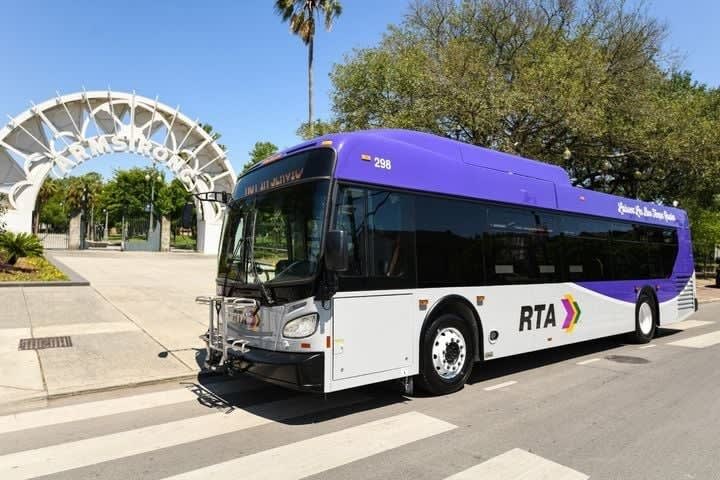
Photo: New Orleans RTA
The New Orleans Regional Transit Authority (RTA) approved a preliminary design contract for the city’s first bus rapid transit (BRT) system, marking a significant milestone in advancing one of the region’s most transformative transit projects.
The approval follows the adoption of the Locally Preferred Alternative (LPA) by both the New Orleans City Council and the RTA Board of Commissioners in 2023 — a key step in defining the overall vision for the BRT corridor, which will connect New Orleans East, Central Business District, and West Bank riders to neighborhoods, jobs, and other key destinations through dedicated bus lanes, frequent service, enhanced stations, and priority traffic signaling.
“Today’s BRT contract approval represents this agency’s firm commitment to delivering high-quality, rider-centric transit for our city,” said Lona Edwards Hankins, CEO of the New Orleans RTA. “With design work set to begin, we’re moving from vision to reality, bringing New Orleans one step closer to a faster, more connected future.”
The Road to BRT
Building on extensive public outreach and earlier planning efforts, the RTA will begin design work in December with a multidisciplinary team led by AECOM.
The next phase will include a community engagement process as design work progresses, which will help the agency refine station layouts, lane and intersection designs, and other key features to ensure the BRT system reflects community priorities and delivers faster, more frequent, and more reliable service for riders, RTA officials said.
“This project is a game-changer for New Orleans transit. It reflects the years of community input and planning that went into shaping a system that truly serves the people of this city,” said RTA Board Chair Fred Neal.
More Bus

New York MTA Plans Largest Bus Fleet Upgrade in More Than a Decade
The agency is seeking manufacturers for 650 new CNG buses to replace aging vehicles, improve reliability, and advance its broader fleet modernization strategy.
Read More →
Building a Flexible Path to Transit Electrification
John Hroncich discusses BAE Systems’ modular and scalable approach, lessons learned from decades of real-world operations, and how agencies can identify electrification strategies that fit their fleets.
Read More →
Bus Tech Talk: Keeping Transit Technicians Ahead of the Technology Curve
LA Metro’s Obed Mejia discusses technician training, evolving maintenance technology, fleet replacement, and strategies for getting the most out of today’s transit fleets.
Read More →
Biz Briefs: RIPTA Unveils New Frontrunners, Clevland RTA Adds New Siemens, and More
In METRO's latest installment, we take a look at recent news from Siemens, Prevost, Dodge, and more partnerships making headlines across the transportation sector.
Read More →
People Movement: Holly Arnold Joins Transdev and More
In this edition, we also cover recent appointments and announcements at Pace, CamTran, MCI, and more, showcasing the individuals helping to shape the future of transportation.
Read More →
The High Cost of Transit Buses: Industry Leaders Look to Procurement Reform
Transit leaders and policymakers examine how standardized bus designs, streamlined procurement, and predictable funding could help agencies stretch budgets and deliver better service.
Read More →
The Business Voice Behind Public Transportation
As chair of APTA’s Business Members Board of Governors, Ray Melleady explains how more than 850 business members are partnering with transit agencies to advance funding, innovation, and industry-wide collaboration.
Read More →
From Surviving to Thriving: Building Stronger Transportation Organizations
Bus Business Consultants founder Brian Dickson shares lessons on leadership, organizational health, and creating options for long-term success in a changing transportation industry.
Read More →
Finding the ‘Happy Medium’: Optimizing Maintenance Without Sacrificing Reliability
The key to maintenance optimization isn’t doing less work—it’s doing the right work at the right time on the right assets.
Read More →
LA Metro, City of West Hollywood, and Partners Advance Smarter Bus Lane Enforcement
The award-winning partnership combines AI-powered detection with human oversight to improve bus reliability, accessibility, and enforcement efficiency.
Read More →