




More to Dive Into: Optibus Survey Reveals Top Transportation, Tech Trends
New Survey Reveals Impact of Rising Energy Costs
In ABB's Electrification Energy Insights survey of 2,300 business leaders in 10 nations, 92% of respondents believe rising energy costs and instability are threatening profitability and competitiveness.
March 16, 2023

Those surveyed said rising energy costs last year resulted in lower profit margins and cuts to spending in several areas.
Photo: Canva/METRO
3 min to read
ABB announced the results of a survey showing energy costs and related issues are impacting businesses’ investments in their workforces, technology, and more.
In its Electrification Energy Insights survey of 2,300 business leaders in 10 nations, 92% of respondents believe rising energy costs and instability are threatening profitability and competitiveness, according to ABB’s news release.
Those surveyed said rising energy costs last year resulted in lower profit margins (34%) and cuts to spending in several areas, such as workforces, technology, and more (34%), leading to reduced investment in R&D and other growth and environmental initiatives.
Over a third (38%) have or plan to reduce technology investment, while a third (33%) expect to cut spending on infrastructure and 31% foresee a decline in marketing spend.
Employee Impact
According to ABB, businesses said they have reduced investment in their workforce in the last year because of increased energy costs and the need to implement mitigation measures.
ABB added that this is expected to continue over the next three to five years if energy challenges persist. Three of the top five business areas highlighted for budget reductions are related to the workforce: 42 % will spend less on recruitment; 38% will decrease spending on salaries, overtime, and bonuses; and 37% will reduce investment in staff training and development.
Delaying Decarbonization
Respondents further cited concerns that energy pricing and insecurity could delay progress on climate change, with meeting carbon reduction commitments currently considered less of a priority than reducing energy costs.
Over half (58%) of business leaders surveyed said the cost of energy could delay achieving their sustainability and carbon reduction targets by anywhere from one to five years. While reducing energy costs is the top priority for 61% of companies, only 40%t currently have reducing carbon emissions within their overall business priorities.
Energy Security
ABB’s survey showed 83% of business leaders expressed concern about the security of their business’s energy supply, and many are taking action to address this. Over a third (36%) are worried about further rises in energy costs, 31% are concerned by power cuts and blackouts, and a quarter by energy rationing.
In response, 34% have already increased investment specifically focusing on improving their energy efficiency and 40% are looking to install on-site renewable energy generation to become less dependent on the grid.
“Businesses say they need to insulate themselves from energy prices and insecurity and are re-evaluating current and future spending plans,” said Morten Wierod, president of ABB Electrification. “Taking action to mitigate this is a clear priority, but this doesn’t have to be a catalyst for the potential workforce or environmental impacts. Investing in smart and sustainable on-site renewables and energy efficiency technology means businesses can simultaneously cut costs and reduce their emissions. With the right approach, it is possible for industry to achieve cost savings without sacrificing competitiveness, workforces, or the journey to decarbonization.”
More Zero Emissions
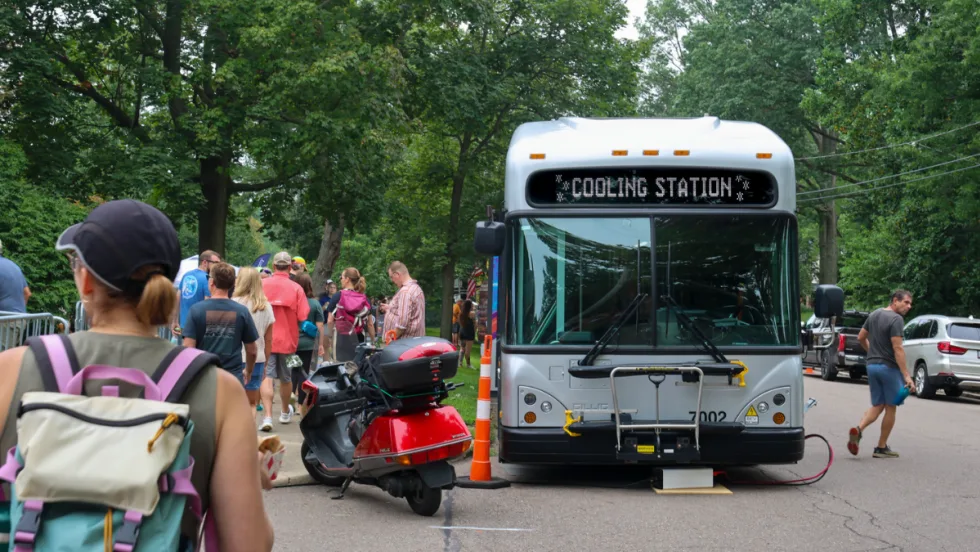
Ohio’s METRO RTA Turns Electric Buses into Mobile Power Sources at PorchROKR
See how three Gillig battery-electric buses powered festival stages while the agency’s new Park & Ride service carried approximately 1,000 attendees, demonstrating another potential use for transit agencies’ electric fleets.
Read More →
CALSTART and Forth Combine to Form Catalyst Mobility
The new name represents a renewed vision for the nonprofit focused on advancing clean, equitable, and affordable transportation solutions that move people and goods.
Read More →
Building a Flexible Path to Transit Electrification
John Hroncich discusses BAE Systems’ modular and scalable approach, lessons learned from decades of real-world operations, and how agencies can identify electrification strategies that fit their fleets.
Read More →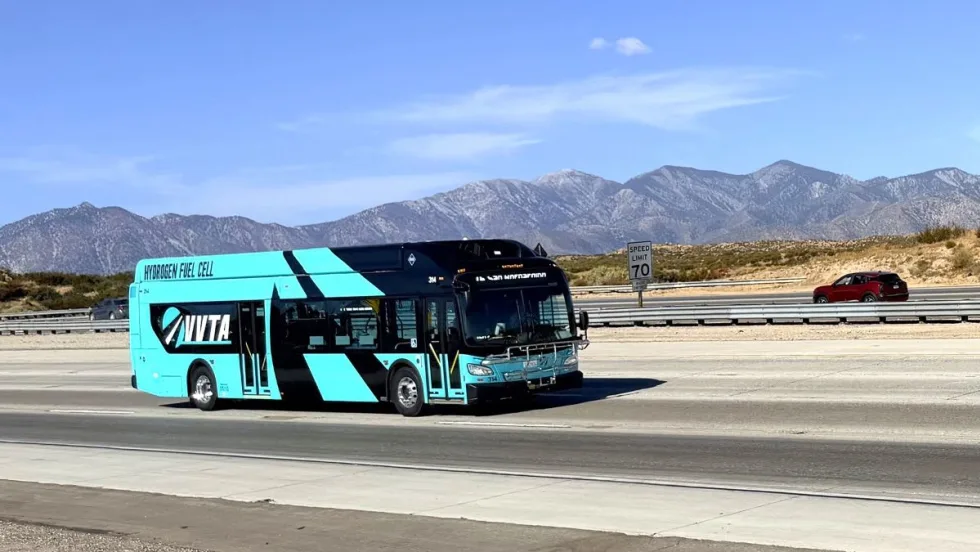
California's VVTA Begins Phased Rollout of Hydrogen Fuel Cell Buses
The agency is introducing 13 zero-emission buses into revenue service while evaluating performance across its urban, rural, and long-distance routes.
Read More →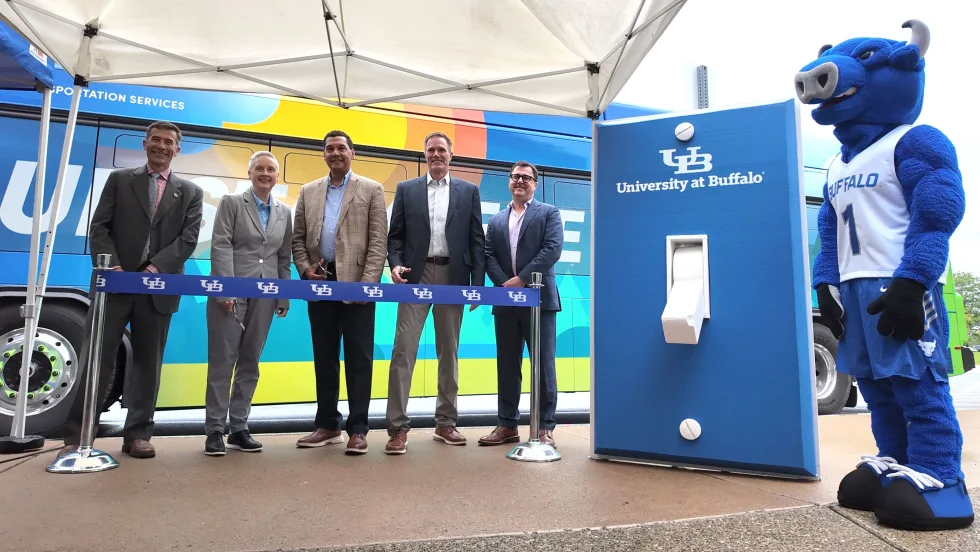
Inside Look: University at Buffalo Puts First 8 Electric Buses Into Stampede Service
UB, transportation solutions provider WeDriveU, and fleet electrification specialist Zenobē marked the deployment in the presence of students, university administrators, and local officials.
Read More →
Biz Briefs: OCTA Taps Clean Energy for Hydrogen Station, Stadler to Supply Via Rail Vehicles, and More
From manufacturers and suppliers to transit agencies and motorcoach operators, these updates offer a snapshot of the projects, partnerships and business moves driving the industry forward.
Read More →
AC Transit’s Cecil Blandon on Building the Next Generation of Transit Maintenance Leaders
The agency’s maintenance chief discusses leadership, workforce development, zero-emission technology, and preparing technicians for the future of public transportation.
Read More →
CTDOT Taps STV for Electric Bus Facility Design
The firm will work with CTDOT and RVT to define the facility layout, operational requirements, and long-term flexibility for RVT’s growing electric fleet.
Read More →
Chicago’s Pace Deploys 24 Hybrid-Electric Buses in Will County
The new buses reduce emissions and fuel consumption while advancing the agency's long-term goal of transitioning to a fully zero-emission fleet.
Read More →
DASH Breaks Ground on First On-Route Electric Bus Chargers in D.C. Region
The fast-charging infrastructure will help extend electric bus range, improve fleet utilization, and support DASH's goal of transitioning to a fully zero-emission fleet.
Read More →