



Related: 5 Questions: Steve Whaley on Growing Propane Adoption, Ease of Use
New Video Details Renewable Propane Benefits
The Propane Education and Research Council shares information on a new energy source for fleets and its benefits.
by Staff
June 22, 2020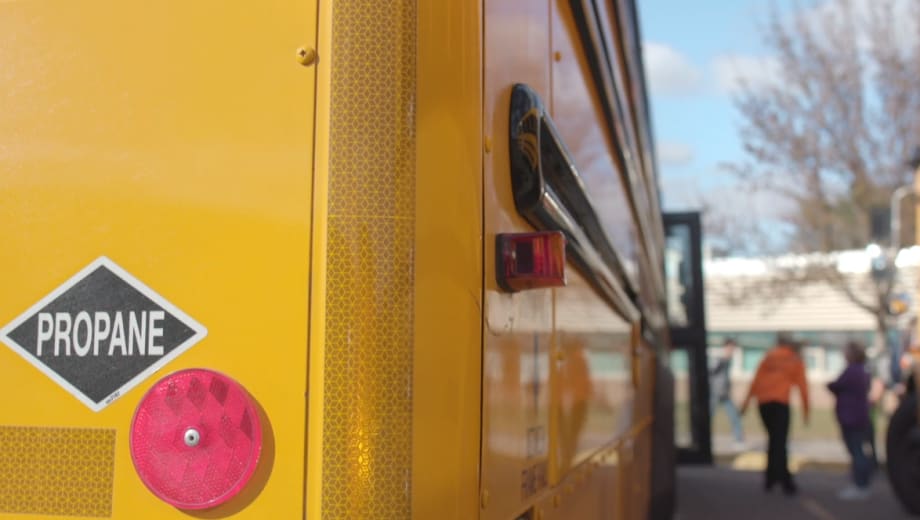
The Propane Education and Research Council shares information in a new video on renewable propane and its benefits.
1 min to read
WASHINGTON, D.C. — The Propane Education and Research Council (PERC) has unveiled a new video highlighting renewable propane, a new energy source for fleets.
“As the next generation of sustainability, renewable propane is an energy source that will play a critical role in caring for the environment,” said Steve Whaley, director of autogas business development at PERC. “Renewable propane has all the benefits of conventional propane autogas — it’s clean, affordable, and provides fleets with the same performance and reliability they’ve come to expect — but at the point of combustion, it’s carbon neutral.”
Renewable propane is a byproduct of the renewable diesel and jet fuel production process, which converts plant and vegetable oils, waste greases, and animal fat into fuel, according to PERC. Renewable propane has the same chemical structure and physical properties as conventional propane and can be used in any existing propane autogas engine.
Because it is produced from renewable, raw materials, renewable propane has an even lower carbon intensity than conventional propane and is cleaner than other energy sources, according to PERC. Renewable propane is already available, and many experts predict the entire worldwide demand can be met with renewable propane by 2040.
For more information about propane vehicles, visit Propane.com.
Originally posted on School Bus Fleet
More Bus
Biz Briefs: New Flyer Delivers in Columbus, Houston, Beep and Freebee Merge, and More
In this edition of Biz Briefs, we spotlight the latest developments shaping the future of mobility.
Read More →
People Movement: Dan Dipert Coaches Adds Third-Generation Leader, Keolis Names New Valley Metro VP/GM, and More
In this edition, we also cover recent appointments and announcements at the Wabtec, SilverRide, HNTB, and more, showcasing the individuals helping to shape the future of transportation.
Read More →
New York MTA Plans Largest Bus Fleet Upgrade in More Than a Decade
The agency is seeking manufacturers for 650 new CNG buses to replace aging vehicles, improve reliability, and advance its broader fleet modernization strategy.
Read More →
Building a Flexible Path to Transit Electrification
John Hroncich discusses BAE Systems’ modular and scalable approach, lessons learned from decades of real-world operations, and how agencies can identify electrification strategies that fit their fleets.
Read More →
Bus Tech Talk: Keeping Transit Technicians Ahead of the Technology Curve
LA Metro’s Obed Mejia discusses technician training, evolving maintenance technology, fleet replacement, and strategies for getting the most out of today’s transit fleets.
Read More →
Biz Briefs: RIPTA Unveils New Frontrunners, Clevland RTA Adds New Siemens, and More
In METRO's latest installment, we take a look at recent news from Siemens, Prevost, Dodge, and more partnerships making headlines across the transportation sector.
Read More →
People Movement: Holly Arnold Joins Transdev and More
In this edition, we also cover recent appointments and announcements at Pace, CamTran, MCI, and more, showcasing the individuals helping to shape the future of transportation.
Read More →
The High Cost of Transit Buses: Industry Leaders Look to Procurement Reform
Transit leaders and policymakers examine how standardized bus designs, streamlined procurement, and predictable funding could help agencies stretch budgets and deliver better service.
Read More →
The Business Voice Behind Public Transportation
As chair of APTA’s Business Members Board of Governors, Ray Melleady explains how more than 850 business members are partnering with transit agencies to advance funding, innovation, and industry-wide collaboration.
Read More →
From Surviving to Thriving: Building Stronger Transportation Organizations
Bus Business Consultants founder Brian Dickson shares lessons on leadership, organizational health, and creating options for long-term success in a changing transportation industry.
Read More →