



New York MTA Launches 'Courtesy Counts' Ad Campaign
The 34 illustrations that will be a part of this campaign feature a variety of creative artwork with messaging reminding transit customers about different ways to respect fellow riders and encourage courteous behavior.


Examples of messages that will appear in the MTA's system include keeping seats clear for other riders, keeping pets in carriers and service animals leashed, letting people on and off the train without obstruction, not talking loudly on the phone.
New York MTA
New York’s Metropolitan Transportation Authority (MTA) unveiled “Courtesy Counts,” a multi-agency campaign reminding customers to follow the MTA’s Code of Conduct and treat fellow riders and public spaces with respect.
The 34 illustrations that will be a part of this campaign feature a variety of creative artwork with messaging reminding transit customers about different ways to respect fellow riders and encourage courteous behavior in public spaces.
MTA’s Messaging
Examples of messages that will appear in the system include keeping seats clear for other riders, keeping pets in carriers and service animals leashed, letting people on and off the train without obstruction, not talking loudly on the phone, wearing headphones, giving everyone room to stand, not laying down taking up multiple seats, not smoking or vaping, not holding the doors, not charging electric vehicles, not leaving the emergency exit door open for others to enter without paying the fare, not leaving a bike unattended or obstructing space, and not littering.
“In our busy lives, it’s easy to forget that your own individual behavior can have an impact on your fellow riders’ commute, and even their day, so why not be courteous,” said Acting CCO and Sr. Advisor Shanifah Rieara. “The goal isn’t to lecture anyone, we just wanted to have a little bit of fun explaining our Rules of Conduct as ridership continues to grow.”
Riders will start seeing rolling images throughout the transit system displaying messages such as “If you don’t make the train, don’t make it wait,” “Let’s clear the air,” “Leave some seat for the rest of us,” “Pull the plug,” “Watch your backpack,” “Seats are for butts, not your bags,” “Your pet shouldn’t come if they can’t stay,” “Take your trash when your ride is over,” “Block punts. Don’t block doors.,” “If you don’t make the train, don’t make it wait,” “The train isn’t a bike rack,” and “Leave us off the conference call,” among other ads.
The MTA’s Campaign
Digital ads will be displayed on a rolling basis in subway cars, buses, Long Island Rail Road (LIRR) and Metro-North trains, and in station platforms across the system. The campaign will also appear on social media and on pamphlet cards that will be handed out to customers.
The campaign was launched following a record-breaking period for transit ridership. Earlier this month, the New York City Subway recorded its highest post-pandemic single-day total for paid rides on consecutive days. On Wednesday, Sept. 20, subways recorded 4,179,902 paid rides, surpassing the previous post-pandemic high of 4,144,828 set just a day before, on Sept. 19.
The commuter railroads also saw post-pandemic highs. LIRR set a post-pandemic record on Wednesday, Sept. 20, carrying 242,202 riders and surpassing the previous high set on June 21, 2023.
Metro-North Railroad set its post-pandemic record on Tuesday, Sept. 19, carrying 224,426 riders. This surpassed the previous total set on June 20 when Metro-North carried 224,371 riders. In addition to the overall post-pandemic high, this week Metro-North celebrated its highest ridership on a Monday since the pandemic with 192,103 paid rides.
New York City bus paid ridership continues to trend upward. On Thursday, Sept. 14, buses surpassed the 1.5 million paid ride mark for the first time since May 17, 2023.
More Security and Safety

Transit Agencies Highlight Safety Gains at National Summit
Leaders from 15 major transit systems shared crime-reduction results and safety initiatives while discussing the role of continued federal support.
Read More →
DART Launches Major Security, Fare Enforcement Initiative
The 90-day demonstration will deploy coordinated security teams at five light rail stations while testing controlled access and gathering data to guide future investments.
Read More →
RTD Launches NextRide App to Consolidate Trip Planning, Fares, Security Reporting
The app expands on RTD’s existing NextRide web application and allows customers to view real-time vehicle locations and service alerts, purchase and store digital fares, and access customer support.
Read More →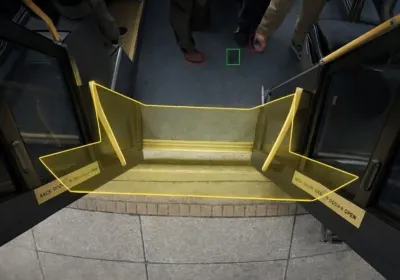

TAPTCO Updates OSHA Compliance Training for Transit Maintenance Operations
The revamped program addresses 26 OSHA standards for maintenance facilities, with TAPTCO pointing to training, documentation, and everyday shop hazards as continuing challenges for transit operations.
Read More →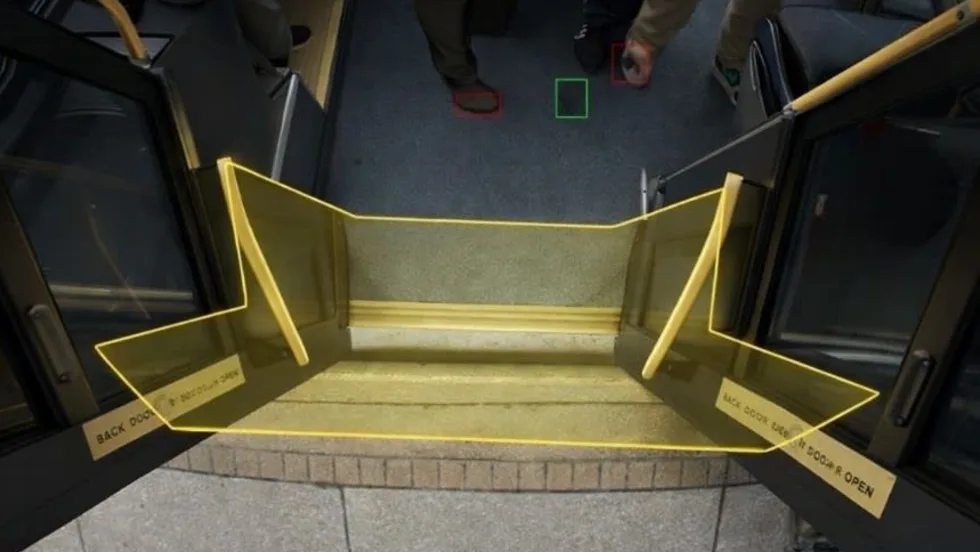
How VaporVision Adds Value to Transit Door Systems
Wabtec engineers explain how the system improves doorway detection, strengthens diagnostics and gives transit agencies and OEMs greater operating flexibility.
Read More →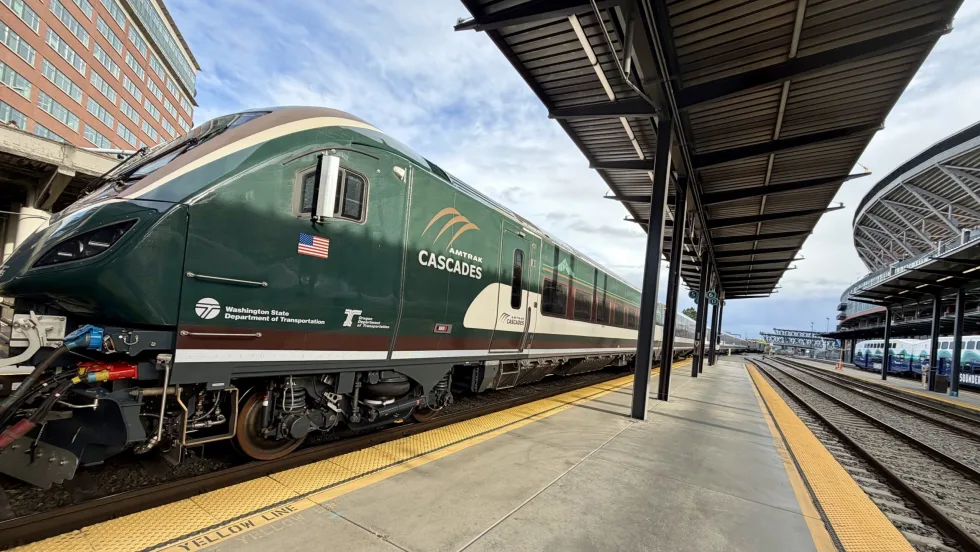
FRA Announces $5.3B in Rail Investments, Including $2B for Amtrak
Funding will support grade-crossing improvements, infrastructure upgrades, and new Amtrak equipment in 23 states.
Read More →
Chicago, Maryland Expand Non-Law-Enforcement Safety, Rider Support
The CTA and MTA are launching new programs aimed at de-escalation, crisis response, rider assistance, and greater transparency.
Read More →
LA Metro, City of West Hollywood, and Partners Advance Smarter Bus Lane Enforcement
The award-winning partnership combines AI-powered detection with human oversight to improve bus reliability, accessibility, and enforcement efficiency.
Read More →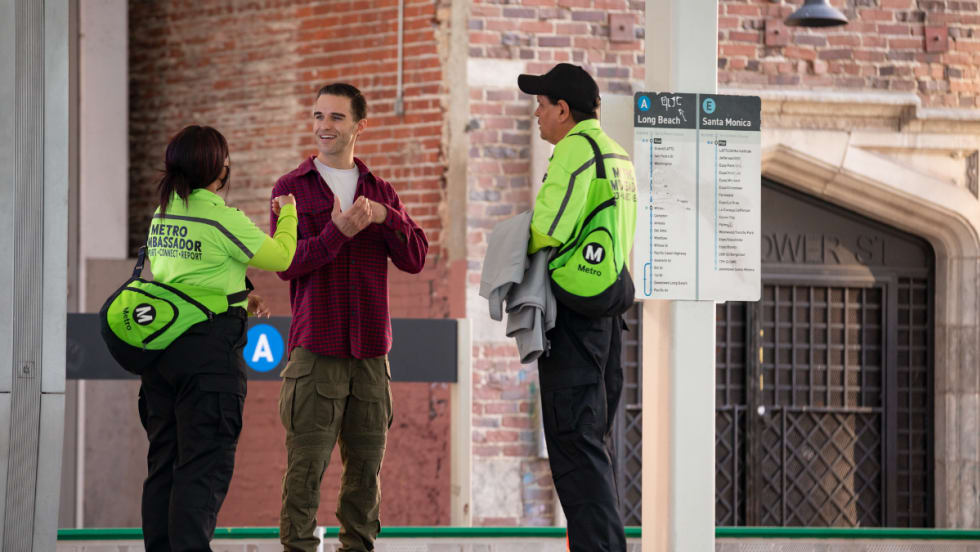
LA Metro Reports 57% Decline in Homelessness on Transit System Since 2024
The agency's latest homelessness count offers new data on how care-based services and cross-sector partnerships can complement traditional transit security strategies.
Read More →
FTA Launches 'Transit Moves America' Dashboard to Highlight Agency Safety and Performance
The online dashboard transforms National Transit Database information into a public-facing resource that allows users to compare transit agencies on key operational and safety metrics.
Read More →