



New York MTA Announce Fare Change Modifications
The changes are being proposed following an extensive public comment period in which 1,378 comments were submitted from customers, advocates, and elected officials across the service area.

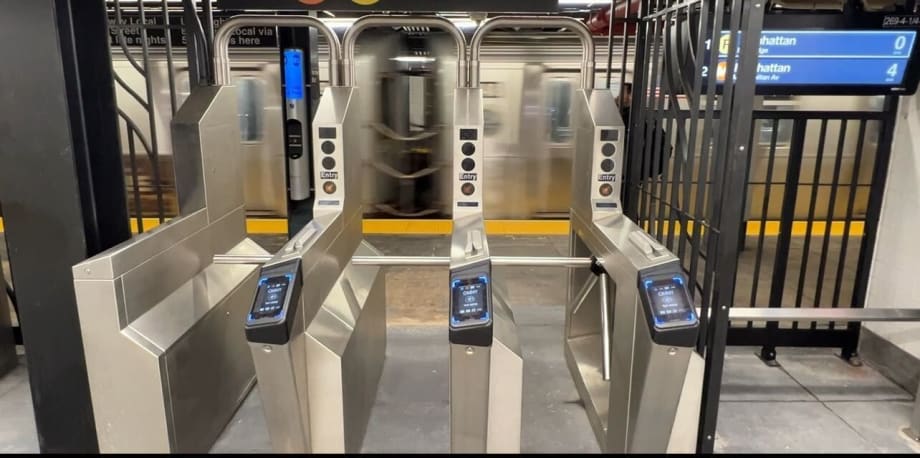
After proposed fare changes were first announced in July, the MTA held an extensive, six-week public comment period.
Photo: New York MTA

The New York Metropolitan Transportation Authority (MTA) announced adjustments to proposed fare policies that are scheduled to be voted on by the board on Sept. 30.
The changes are being proposed following an extensive public comment period in which 1,378 comments were submitted from customers, advocates, and elected officials across the service area.
Fare Policy Adjustments
Under these revisions, the fare cap for seven days of unlimited travel on subways and buses using tap and ride would be lowered from $36 to $35. This equates to a less than 3% increase from the current price for a weekly pass.
After 12 paid trips in any seven days, customers would automatically receive unlimited free rides for the rest of the week, as they do today, according to the agency.
After listening to feedback from commuter rail customers who expressed concern over the previously announced four-hour validity window on LIRR and Metro-North tickets, all one-way mobile and paper commuter rail tickets will instead expire at 4:00 a.m. the following day, ensuring customers can still get home, even if their plans change.
Additionally, the “family fare” program, which allows up to four children to ride commuter rail lines for $1 each with a fare-paying adult, will be expanded to include children 17 and under (currently 11 and under). The Family Fare program would also be valid at any time of day, all week.
Fares would also no longer increase on Metro-North Railroad West of Hudson service, including Pascack Valley and Port Jervis lines.
A Result of Feedback
After proposed fare changes were first announced in July, the MTA held an extensive, six-week public comment period. Three public hearings were held in person and online via Zoom. Additional comment sessions were held in 22 locations across the MTA’s service area, including subway stations, commuter rail stations, and mobile sales vans.
Comments were also accepted through an online portal, phone hotline, e-mail, and the postal service. These efforts resulted in four times as many comments as were received in 2023, when fares were last increased.
The 2025 MTA Operating Budget, approved by the board in December 2024, assumed a fare and toll increase would occur in March 2025. The MTA is delaying the fare and toll increase to January 2026 to align with the launch of full tap and ride on subways and buses.
More Management
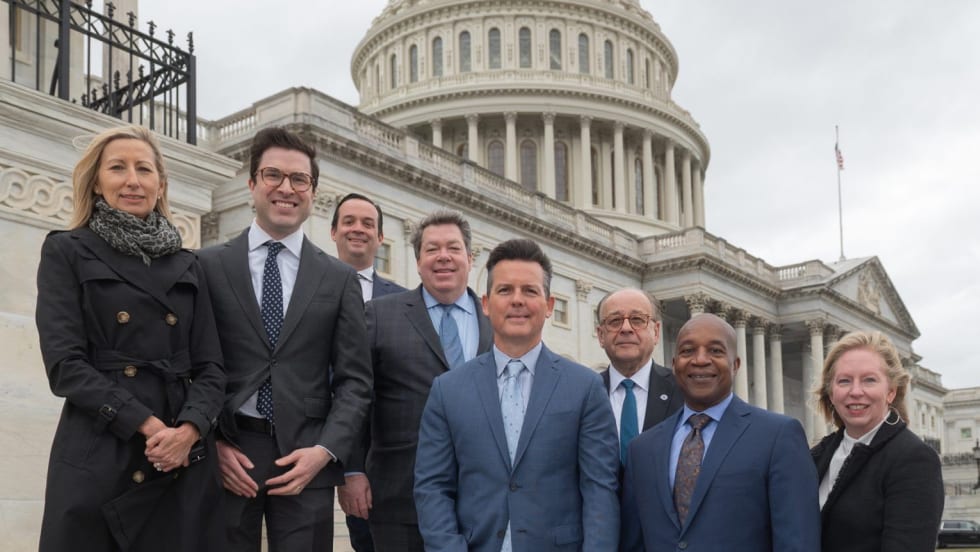
The Business Voice Behind Public Transportation
As chair of APTA’s Business Members Board of Governors, Ray Melleady explains how more than 850 business members are partnering with transit agencies to advance funding, innovation, and industry-wide collaboration.
Read More →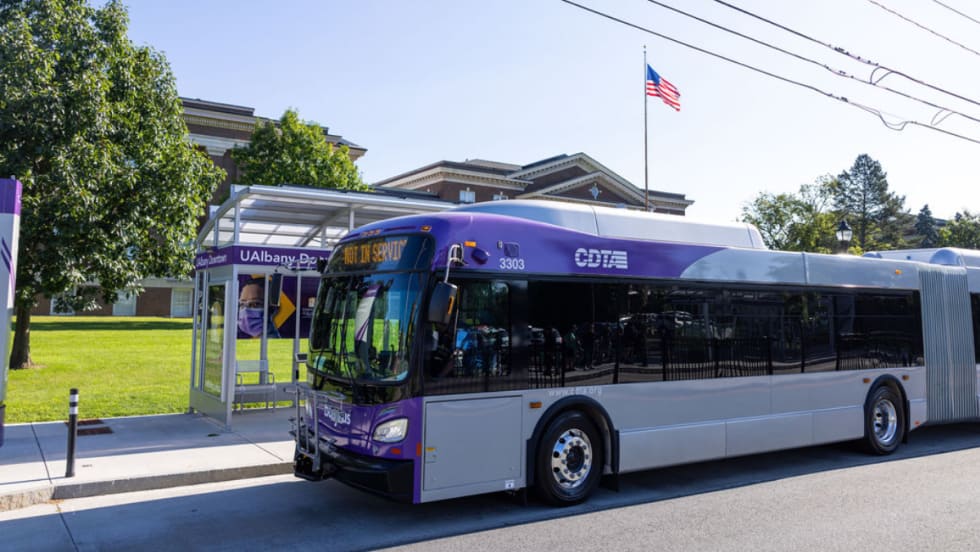
New York’s CDTA Service Rebalancing Boosts Productivity, On-Time Performance
Despite a slight dip in ridership, the agency’s FY2026 results show its service rebalancing strategy is helping the agency carry more riders per service hour while improving reliability.
Read More →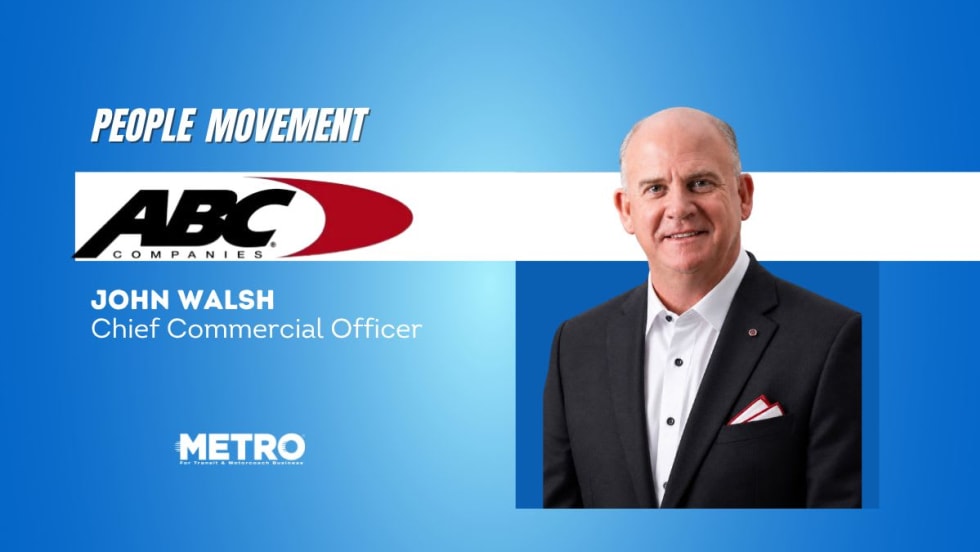
People Movement: ABC Names John Walsh as Chief Commercial Officer
In this edition, METRO also covers recent appointments and announcements at the DART, STV, and more, showcasing the individuals helping to shape the future of transportation.
Read More →
From Surviving to Thriving: Building Stronger Transportation Organizations
Bus Business Consultants founder Brian Dickson shares lessons on leadership, organizational health, and creating options for long-term success in a changing transportation industry.
Read More →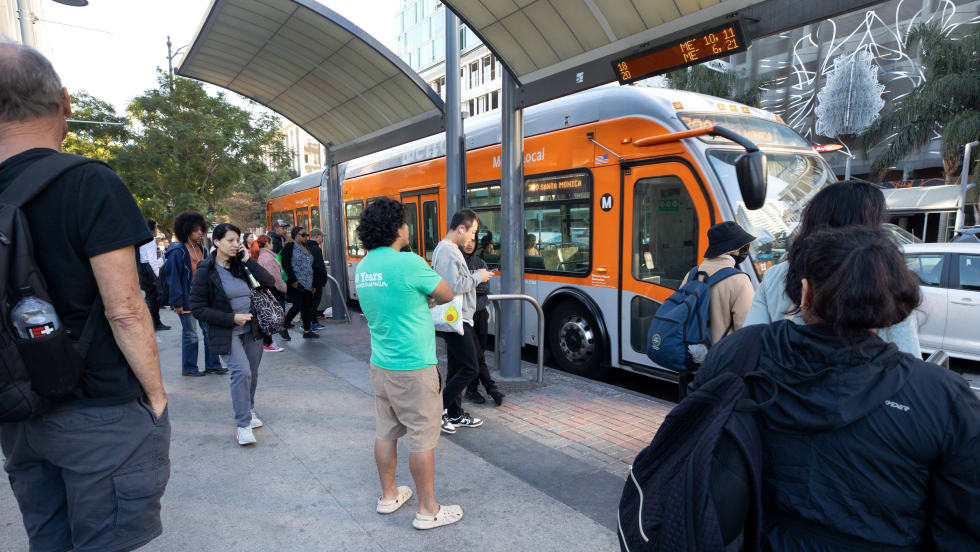
LA Metro Ridership Continues Growth as Rail Gains Accelerate
New rail connections and major events help drive continued ridership gains, with Metro recording its eighth consecutive month of year-over-year rail growth.
Read More →
TransDASH Summit Focuses on Measuring What Matters in Transit
Transit agencies unveil a national performance platform designed to benchmark customer experience, safety, community value, and other outcomes.
Read More →
Jacksonville’s NAVI Project Charts a New Course for Autonomous Public Transportation
Through its NAVI program, JTA is showing how autonomous vehicles, intelligent infrastructure, and coordinated operations can work together to deliver everyday public transportation.
Read More →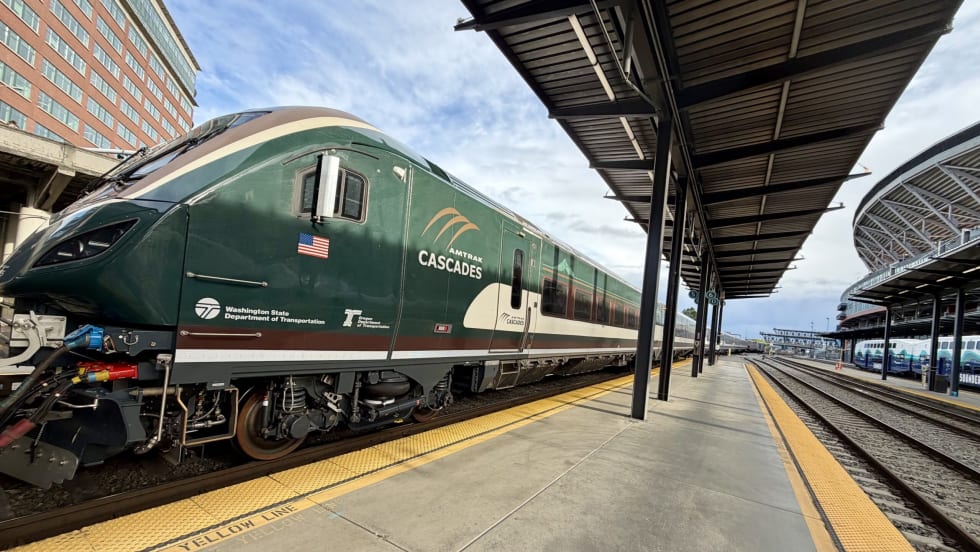
FRA Announces $5.3B in Rail Investments, Including $2B for Amtrak
Funding will support grade-crossing improvements, infrastructure upgrades, and new Amtrak equipment in 23 states.
Read More →
Finding the ‘Happy Medium’: Optimizing Maintenance Without Sacrificing Reliability
The key to maintenance optimization isn’t doing less work—it’s doing the right work at the right time on the right assets.
Read More →
People Movement: MARTA Drops Interim Tag on GM/CEO Hunt and More
In this edition, METRO covers recent appointments and announcements at the FMCSA, HDR, SilverRide, and more, showcasing the individuals helping to shape the future of transportation.
Read More →