



New York MTA Set to Purchase 378 Modern Subway Cars
The vehicles will be funded by the MTA’s historic $68 billion 2025-2029 Capital Plan, which Governor Hochul and the State Legislature fully supported in the FY26 Enacted Budget.


The new R268 subway cars will run on the system’s B division and will be designed to similar specs as the R211. The
Photo: Marc A. Hermann
The New York MTA’s board approved the purchase of 378 new R268 subway cars as part of the Authority’s efforts to modernize its rail fleet.
The new R268 subway cars will run on the system’s B division and will be designed to similar specs as the R211. The vehicles will be funded by the MTA’s historic $68 billion 2025-2029 Capital Plan, which Governor Hochul and the State Legislature fully supported in the FY26 Enacted Budget.
“This purchase allows us to replace cars at the end of their useful life before they start breaking down,” said Janno Lieber, MTA chair and CEO. “And by building on the successful procurement of R211 train cars, we were able to save money on nearly 400 modern subway cars.”
Supporting New CBTC Systems
The new cars will also support the ongoing conversion of lines to modern Communication-Based Train Control (CBTC) signaling. These signal enhancements will enable the MTA to operate more trains more frequently and reliably, resulting in improved service and fewer crowded stations and trains.
Additionally, CBTC will allow for more accurate real-time train arrival information.
Signal modernization projects are currently underway on several lines, with funding from congestion pricing set to support the modernization of signals on several additional lines in Brooklyn, Queens, and Manhattan.
MTA’s New R268 Subway Cars
The R268 cars will be delivered by Kawasaki Rail Car Inc. starting in the Fall of 2028.
All cars will be delivered by 2030, allowing the MTA to retire the last of its R68 and R68A cars and transition the B division to an all modern-technology fleet, with all vehicles capable of delivering CBTC service.
The R268 cars are needed to replace New York City Transit’s aging R68 and R68A cars that are nearing the end of their service life.
The new cars will feature modern passenger amenities, including pre-installed security cameras in every vehicle, more accessible seating, brighter lights, and clearer signage.
Additionally, these cars will offer significant improvements in reliability and performance compared to the aging vehicles they are replacing. The contract cost is $1.507 billion.
“These new train cars will make a world of difference for transit riders by forwarding our efforts to provide safe and reliable service while improving the customer experience," said NYC Transit President Demetrius Crichlow. "And with the addition of CBTC to more parts of the system, we can run faster and more frequent service for riders.”
More Rail
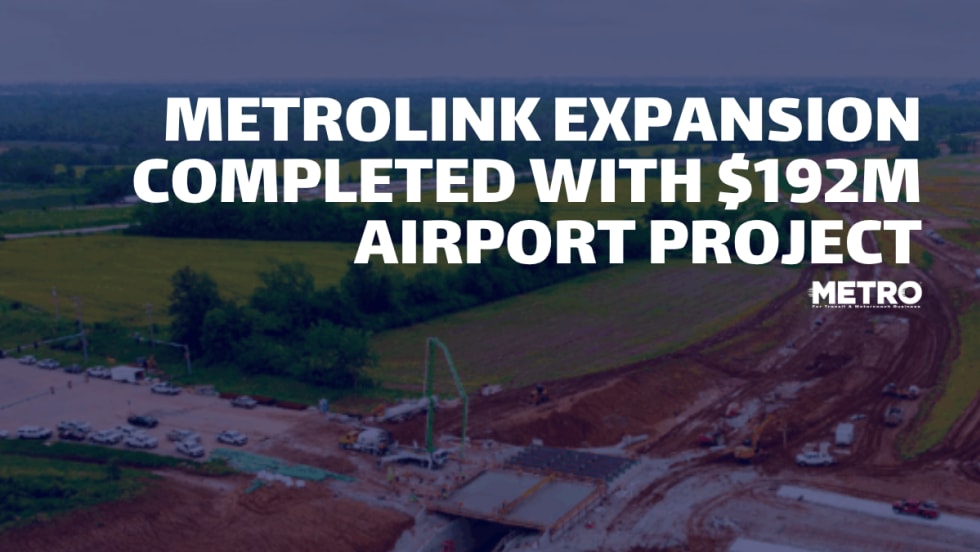
First Full MetroLink Rail Expansion Completed in 20 Years with $192M Airport Project
The project links two St. Louis-area airports by light rail while adding roadway and bike trail connections to improve regional access and mobility.
Read More →
Utilimarc Launches SmartReplace to Optimize Fleet Replacement Decisions
AI-powered SmartReplace helps fleets prioritize vehicle replacements, model budget scenarios, and build more defensible long-term strategies.
Read More →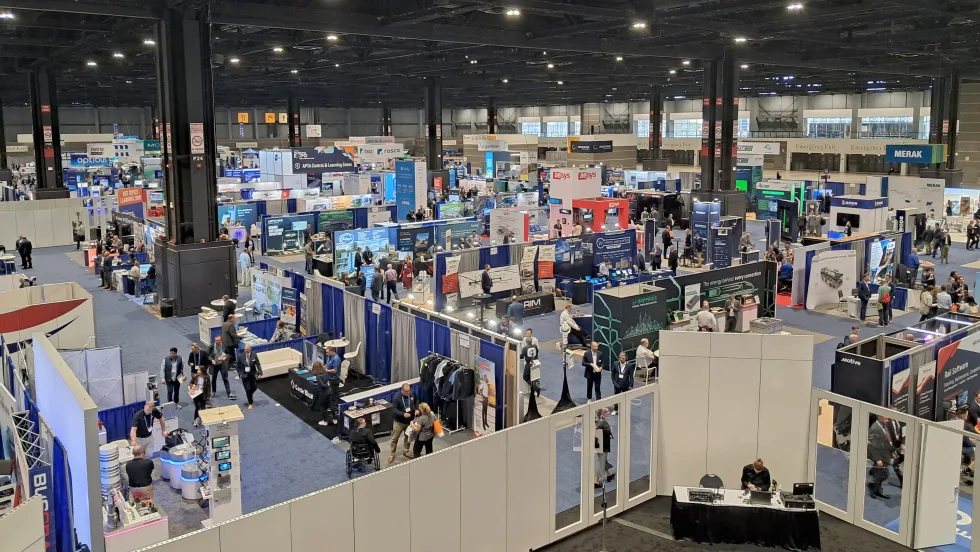
Scenes from APTA TRANSform & EXPO 2026
Transit leaders, manufacturers, and industry professionals gathered in Chicago to explore new technologies, share ideas, and discuss the future of public transportation.
Read More →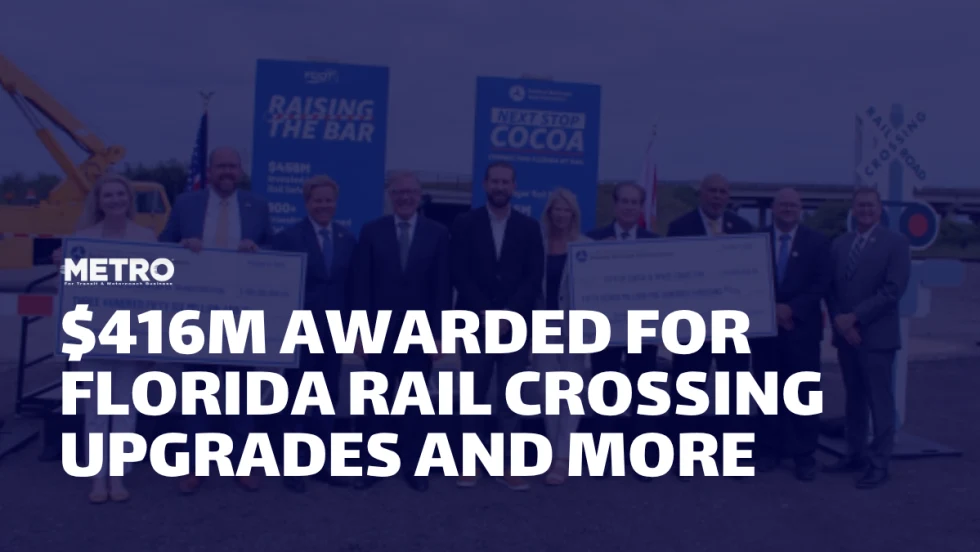
USDOT Awards $416 Million for Florida Rail Crossing Safety Upgrades, New Brightline Station
The projects aim to reduce risks for motorists and pedestrians at rail crossings while expanding passenger rail access along Florida’s Space Coast.
Read More →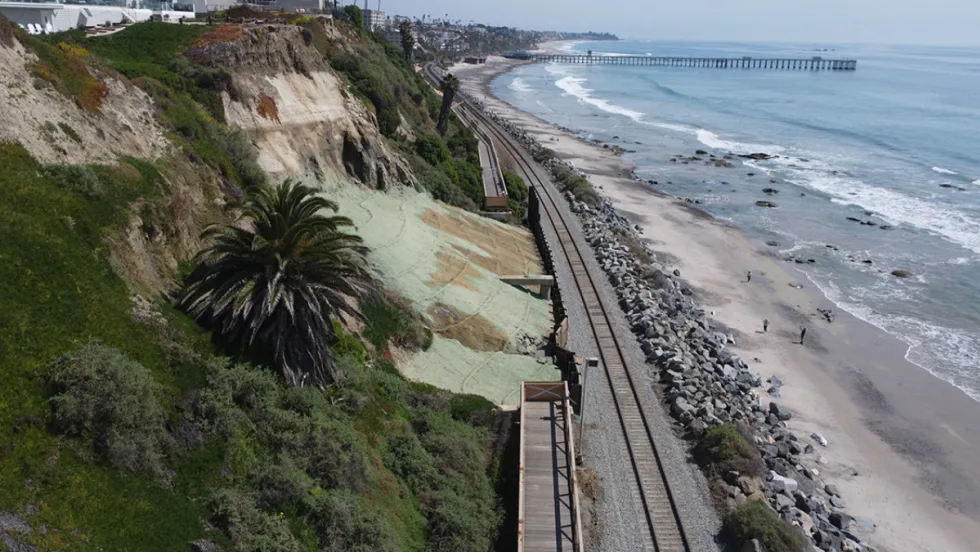
OCTA Declares Emergency to Protect Rail Corridor From Coastal Erosion
The California agency is accelerating shoreline protection and plans to place approximately 690,000 cubic yards of sand along the San Clemente coast to protect a key passenger and freight rail link.
Read More →
More Than a Summer Job: Building the Next Generation of Transit Talent
The Delaware River Port Authority and PATCO have transformed their internship program into a hands-on professional development experience that introduces students to the breadth of transportation careers — and creates a pipeline for future employees.
Read More →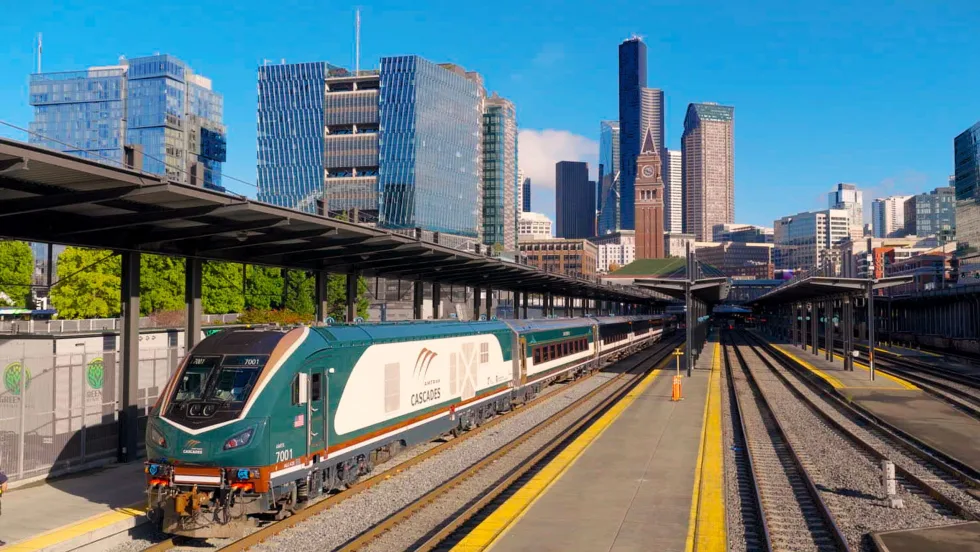
Airo Trains Make Their Amtrak Cascades Debut in the Pacific Northwest
Effective immediately, two cutting-edge Airo trainsets will join the Amtrak Cascades route, operating four daily trips between Vancouver, B.C., Seattle, Portland, and Eugene, Oregon, marking the first introduction of Airo trains into passenger service anywhere in the country.
Read More →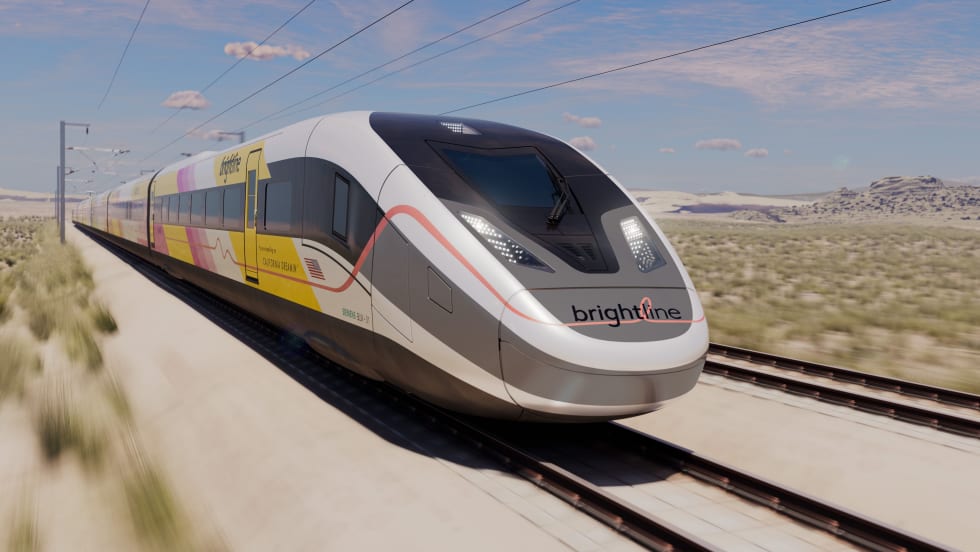
Florida's Brightline Announces Financial Restructuring
Brightline Florida says train operations will continue as normal as certain parent entities enter Chapter 11 and financial stakeholders provide $490 million in new long-term capital.
Read More →
ENC Lands MATA Contract and More in Biz Briefs
In this edition of Biz Briefs, we spotlight the latest developments shaping the future of mobility.
Read More →
Strada360’s Steve Lassey on Turning Transit Data Into Better Decisions
From breaking down data silos to preparing for AI, Strada360 CEO Steve Lassey discusses how transit agencies can use technology to improve operations, customer information, and long-term decision-making.
Read More →