



New York's MTA Unveils Universal Subway Wireless Connectivity Plan
A proposed expansion would transform the subway system into a fully digitally connected transit network that gives riders the ability to use their mobile devices throughout the entire subway system.

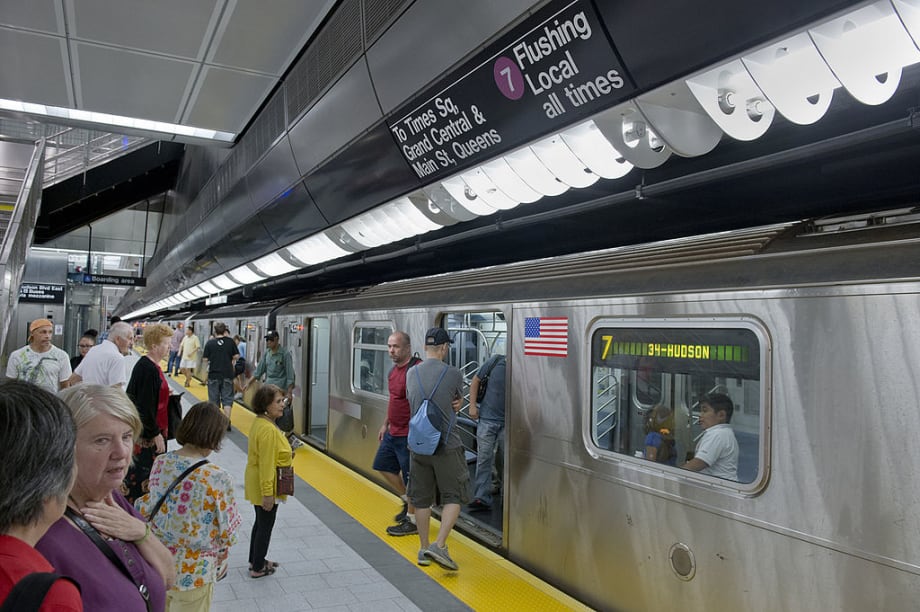
Overall, the project is expected to result in over $1 billion in benefit for the MTA and its customers over the life of the agreement in terms of service provided, additional revenue and cost savings.
NY MTA/Patrick Cashin
New York’s Metropolitan Transportation Authority (MTA) announced a public-private partnership to provide cell coverage throughout all 418 track miles of subway tunnels, along with an expansion of Wi-Fi service to all 191 above-ground subway and 21 Staten Island Railway stations.
Transit customers currently enjoy cellular and Wi-Fi service at all 281 underground subway stations through Transit Wireless, a BAI Communications Co. A proposed expansion would transform the subway system into a fully digitally connected transit network that gives riders the ability to use their mobile devices throughout the entire subway system.
“Bringing cell connectivity to the tunnels between stations and Wi-Fi to above-ground stations is a major step forward in enhancing transit riders’ experience,” said MTA Chair and CEO Janno Lieber. “And the deal MTA has landed will also help the MTA’s bottom line — a major concern as the pandemic winds down.”
All underground stations currently have cell service and Wi-Fi. The proposed agreement would expand this to provide connectivity in the tunnels between stations and in above-ground stations. Further, it will enable Transit Wireless to improve the existing MTA communication system and generate revenue by marketing unused fiber to private customers. Transit Wireless would design, build, and operate a neutral-host network that provides every subway tunnel in the system with a wireless communication connection.
In recent years, the MTA has made significant strides improving connectivity, which included partnering with Transit Wireless to bring cell service and Wi-Fi to all underground subway stations in 2017, and in 2020, bringing cellular coverage and data connectivity to the L Train tunnel. The connection between Brooklyn and Manhattan on the L line became the first tunnel in the New York City subway system to have full connectivity, for AT&T, Verizon, and T-Mobile customers.
Overall, the project is expected to result in over $1 billion in benefit for the MTA and its customers over the life of the agreement in terms of service provided, additional revenue and cost savings. Work on the project will begin immediately and be completed in 10 years. Riders will be able to use the new services as each section is completed.
More Technology

Building a Flexible Path to Transit Electrification with BAE's John Hroncich
John Hroncich discusses BAE Systems’ modular and scalable approach, lessons learned from decades of real-world operations, and how agencies can identify electrification strategies that fit their fleets.
Read More →
Scenes from APTA TRANSform & EXPO 2026
Transit leaders, manufacturers, and industry professionals gathered in Chicago to explore new technologies, share ideas, and discuss the future of public transportation.
Read More →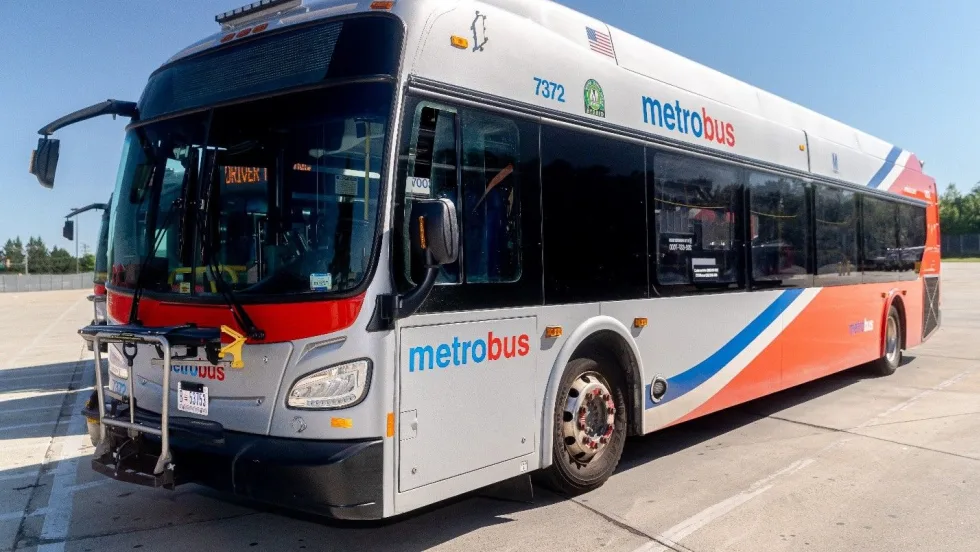
Biz Briefs: New Flyer Secures Additional 100-Bus Order from WMATA and More
In METRO's latest installment, we also take a look at recent news from Masabi, MCI, Samsara, and more partnerships making headlines across the transportation sector.
Read More →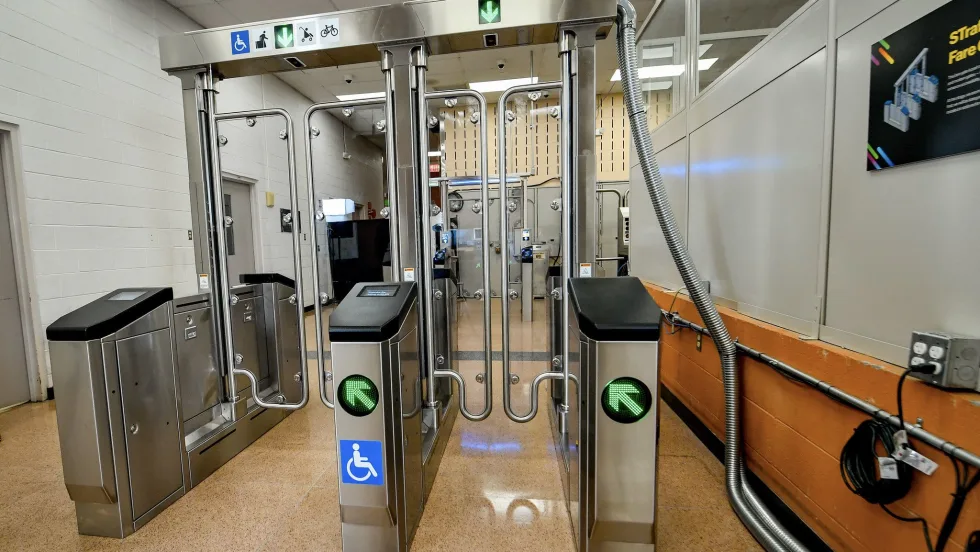
MTA Fare Gate Pilot Reduces Fare Evasion by 35%
Following a 20-station pilot, the agency plans to install new fare gates at 20 additional subway stations as part of a $1.1 billion modernization initiative.
Read More →
California Law Extends AC Transit’s Bus Lane Camera Enforcement
The new law allows AC Transit to continue using forward-facing bus cameras to enforce parking violations in bus-only lanes and at bus stops.
Read More →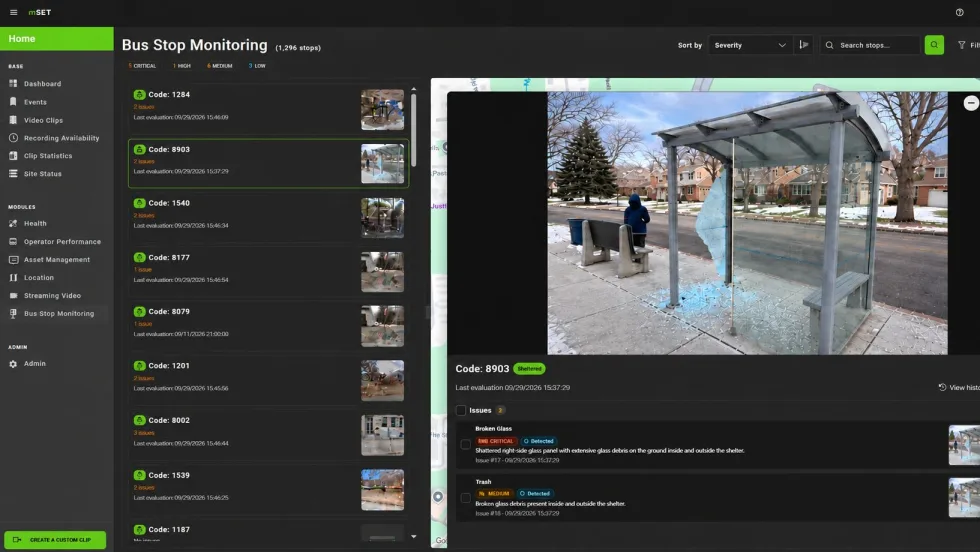
Biz Briefs: Luminator Launches AI Technology to Monitor Bus Stop Conditions and More
In METRO's latest installment, we also take a look at recent news from Masabi, Troman Industries, ioki, CCW, and more partnerships making headlines across the transportation sector.
Read More →
Public Transit Conference Returning to GFX in 2027, Call for Papers Now Open
The Call for Papers is now open, allowing transit agency professionals and industry experts to help shape the PTC educational program by submitting session ideas for consideration.
Read More →
ENC Lands MATA Contract and More in Biz Briefs
In this edition of Biz Briefs, we spotlight the latest developments shaping the future of mobility.
Read More →
Strada360’s Steve Lassey on Turning Transit Data Into Better Decisions
From breaking down data silos to preparing for AI, Strada360 CEO Steve Lassey discusses how transit agencies can use technology to improve operations, customer information, and long-term decision-making.
Read More →
Almaviva Looks to Open Architecture to Advance Transit Technology
Eric Reese discusses how interoperability, open architecture, and modular design can help transit agencies control costs, reduce vendor lock-in, and upgrade technology without starting over.
Read More →