



NJ, Feds developing grid for stronger power infrastructure
Electrical microgrids can supply highly reliable power during storms or other times when the traditional centralized grid is compromised.

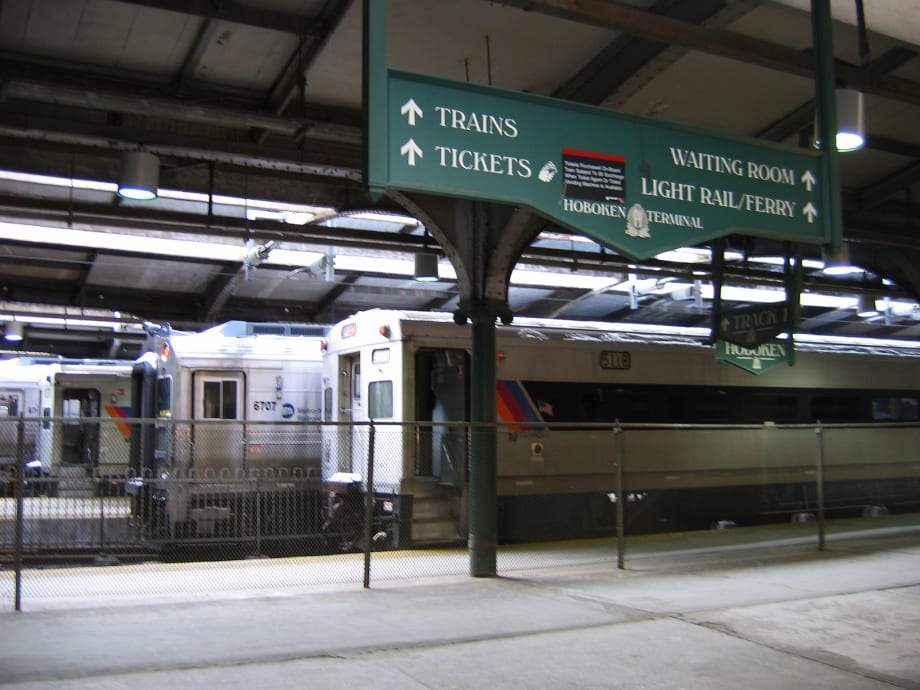
Photo courtesy Kmf164 via Wikimedia Commons
Photo courtesy Kmf164 via Wikimedia Commons
The state of New Jersey is collaborating with the U.S. Department of Energy to design NJ TransitGrid — a first-of-its-kind electrical microgrid capable of supplying highly reliable power during storms or other times when the traditional centralized grid is compromised.
Electrical microgrids can supply highly reliable power during storms or other times when the traditional centralized grid is compromised. A power network of this kind would not only alleviate the social and economic impact of a major transit infrastructure-related power disruption but is also critical to facilitate emergency evacuation-related activities. This has particular value to NJ Transit, which is dependent on outside grids to keep hundreds of thousands of customers on the move each day.
The U.S. Department of Energy, NJ Transit and the New Jersey Board of Public Utilities signed a memorandum of understanding to collaborate with Sandia National Laboratories to study and design a microgrid, entitled the NJ TransitGrid.
The proposed NJ TransitGrid could potentially increase the resiliency and reliability of NJ Transit’s electrical systems. This could be accomplished via:
• The design, construction and operation of self-generation power facilities.
• The design, construction and operation of a new, dedicated power grid.
• The distribution of self-generated power to NJ Transit’s overhead catenary wire network.
• The distribution of self-generated power to key NJ Transit facilities.
NJ Transit could make use of existing railroad rights-of-way to transmit this power between the generation site(s), facilities and rail lines in Jersey City, Kearny, Secaucus, Hoboken, Harrison and Newark. Railroad facilities and lines in these communities represent the most crucial and vulnerable corridor within the agency’s rail system. It is anticipated that such a power network could potentially increase the resiliency and reliability of NJ Transit’s electrical systems.
NJ Transit is the nation’s third-largest transportation system and serves nearly 900,000 passengers each day, and is dependent on outside electrical grids to remain operational. NJ Transit is currently moving forward with a comprehensive Sandy recovery plan designed to strengthen critical infrastructure, including raising of critical power substations and installing nearly 600 steel catenary power poles.
Fortifying power production and delivery is the next step needed to support these important resiliency efforts.
More Bus

New York MTA Plans Largest Bus Fleet Upgrade in More Than a Decade
The agency is seeking manufacturers for 650 new CNG buses to replace aging vehicles, improve reliability, and advance its broader fleet modernization strategy.
Read More →
Building a Flexible Path to Transit Electrification
John Hroncich discusses BAE Systems’ modular and scalable approach, lessons learned from decades of real-world operations, and how agencies can identify electrification strategies that fit their fleets.
Read More →
Bus Tech Talk: Keeping Transit Technicians Ahead of the Technology Curve
LA Metro’s Obed Mejia discusses technician training, evolving maintenance technology, fleet replacement, and strategies for getting the most out of today’s transit fleets.
Read More →
Biz Briefs: RIPTA Unveils New Frontrunners, Clevland RTA Adds New Siemens, and More
In METRO's latest installment, we take a look at recent news from Siemens, Prevost, Dodge, and more partnerships making headlines across the transportation sector.
Read More →
People Movement: Holly Arnold Joins Transdev and More
In this edition, we also cover recent appointments and announcements at Pace, CamTran, MCI, and more, showcasing the individuals helping to shape the future of transportation.
Read More →
The High Cost of Transit Buses: Industry Leaders Look to Procurement Reform
Transit leaders and policymakers examine how standardized bus designs, streamlined procurement, and predictable funding could help agencies stretch budgets and deliver better service.
Read More →
The Business Voice Behind Public Transportation
As chair of APTA’s Business Members Board of Governors, Ray Melleady explains how more than 850 business members are partnering with transit agencies to advance funding, innovation, and industry-wide collaboration.
Read More →
From Surviving to Thriving: Building Stronger Transportation Organizations
Bus Business Consultants founder Brian Dickson shares lessons on leadership, organizational health, and creating options for long-term success in a changing transportation industry.
Read More →
Finding the ‘Happy Medium’: Optimizing Maintenance Without Sacrificing Reliability
The key to maintenance optimization isn’t doing less work—it’s doing the right work at the right time on the right assets.
Read More →
LA Metro, City of West Hollywood, and Partners Advance Smarter Bus Lane Enforcement
The award-winning partnership combines AI-powered detection with human oversight to improve bus reliability, accessibility, and enforcement efficiency.
Read More →