



NJ TRANSIT Seeks Firms to Study Path to Zero Emissions Bus Fleet
A key aspect to this initiative will explore how innovative technologies can be deployed to achieve a smooth transition to a zero emissions fleet. This study will identify the investments that are critical to a successful transformation of the bus network.
As part of its commitment to a 100% zero-emission bus fleet, NJ TRANSIT released a Request for Proposal (RFP) for firms to develop innovations and best practices for a transition to a world-class bus system. The Zero-Emission Bus System Design and Investment Planning Study will be critical in the process of identifying and prioritizing the investments needed to achieve a cleaner, and greener bus system in the future.
The goals of the Zero-Emission Bus System Design and Investment Planning Study is to develop the roadmap for NJ TRANSIT to make targeted investments to modernize the ageny’s bus rolling stock, infrastructure, and technologies to turn NJ TRANSIT’s bus system into an industry leader. A key aspect to this initiative will explore how innovative technologies can be deployed to achieve a smooth transition to a zero emissions fleet. This study will identify the investments that are critical to a successful transformation of the bus network.
“NJ TRANSIT is excited to release the RFP for this study, which will allow us to maximize the investments we’re making to transition to a 100-percent zero-emissions bus fleet,” said NJ TRANSIT President/CEO Kevin S. Corbett. “In May, we released a comprehensive plan to achieve that goal by 2040, which includes many efforts already underway.”
In January 2020, Gov. Murphy signed legislation that established requirements for NJ TRANSIT to move toward zero-emissions bus purchases by 2032. Specifically, all NJ TRANSIT bus purchases made on or after December 2024 must include at least 10% zero-emission buses, escalating to 50% by December 2026, and 100% of new bus purchases by December 2032. The decarbonization of the transportation sector is one of the seven key strategies stated in the 2020 Energy Master Plan, and NJ TRANSIT’s commitment to prioritizing its mission, and putting policy into practice represents a prime example of the agency’s commitment to helping New Jersey achieve its progressive 100% clean energy by 2050 goal.
The crucial study is the latest effort made by NJ TRANSIT as it prepares for a transition to a zero-emissions bus system. The study creates a solid foundation drawing upon a wealth of NJ TRANSIT’s institutional knowledge and organizational capacity as it expeditiously advances its pivotal preparations for its upcoming zero-emission bus deployments and infrastructure investments.
In an area as densely populated as New Jersey, providing reliable and efficient public transportation options is key in the state’s continued efforts to reduce emissions by having more commuters and travelers leave their cars behind and turn to more environmentally friendly, lower emission bus options.
With this goal in mind, NJ TRANSIT has begun the process of electrifying its fleet and moving more riders to bus, which generally has significantly less emissions per rider than individual motor vehicles.
According to a greenhouse gas emissions inventory report from the New Jersey Department of Environmental Protection, nearly three quarters of transportation emissions come from personal vehicles. The Federal Transit Administration (FTA) estimates that a single occupied vehicle emits 0.96 pounds of CO2 per passenger-mile, while a transit bus emits just 0.64 pounds per passenger-mile.
In September 2020, NJ TRANSIT’s Board of Directors awarded a $3.235 million contract to Scalfo Electric of Vineland to renovate the Newton Avenue Bus Garage in the City of Camden with electric vehicle charging stations and other associated infrastructure modifications. That project is targeted to be completed in Fall 2021.
In February 2021, with the renovation of the Newton Avenue Bus Garage well underway, NJ TRANSIT released an RFP for the purchase of eight battery-powered electric buses, to be introduced as part of an early deployment in the City of Camden anticipated to begin by the end of this year. The Camden limited deployment will enable NJ TRANSIT to study the unique benefits and challenges of using zero-emissions vehicles in a real-world setting.
In June 2021, NJ TRANSIT was awarded $5.15 million from the FTA for the purchase of up to four battery electric articulated buses to be utilized in the Newark region on Bus Route No. 25, based out of the Hilton garage in Maplewood.
Major initiatives, like this study, are aligned with one of the five overarching goals in NJ TRANSIT’s 10-Year Strategic Plan (NJT2030): “Promote a More Sustainable Future for our Planet” and demonstrate NJ TRANSIT’s continued commitment to advancing and investing in a stronger, more sustainable public transportation system that will guide the agency and the state safely into the future.
The deadline for proposals is September 16th, with an expected date of a selection of a firm pending board approval to be determined thereafter.
More Zero Emissions
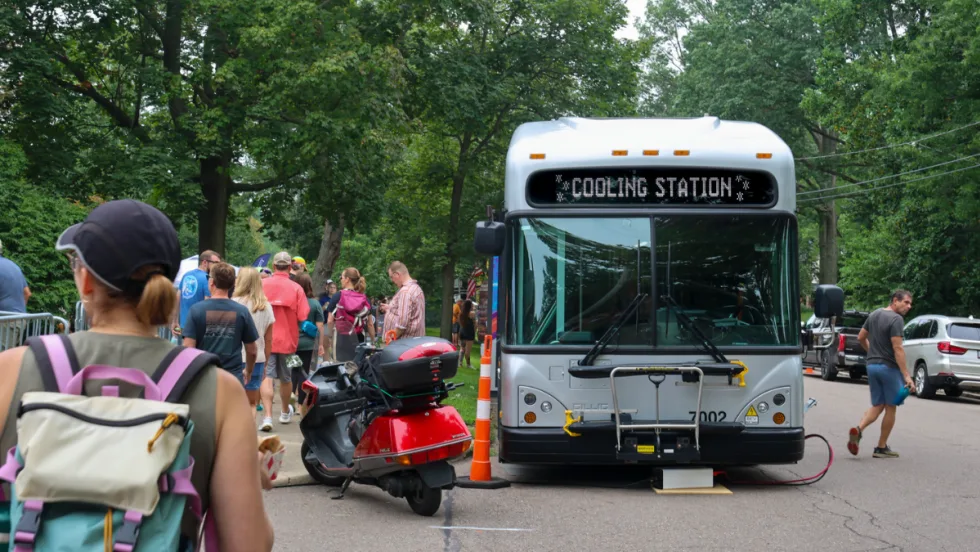
Ohio’s METRO RTA Turns Electric Buses into Mobile Power Sources at PorchROKR
See how three Gillig battery-electric buses powered festival stages while the agency’s new Park & Ride service carried approximately 1,000 attendees, demonstrating another potential use for transit agencies’ electric fleets.
Read More →
CALSTART and Forth Combine to Form Catalyst Mobility
The new name represents a renewed vision for the nonprofit focused on advancing clean, equitable, and affordable transportation solutions that move people and goods.
Read More →
Building a Flexible Path to Transit Electrification
John Hroncich discusses BAE Systems’ modular and scalable approach, lessons learned from decades of real-world operations, and how agencies can identify electrification strategies that fit their fleets.
Read More →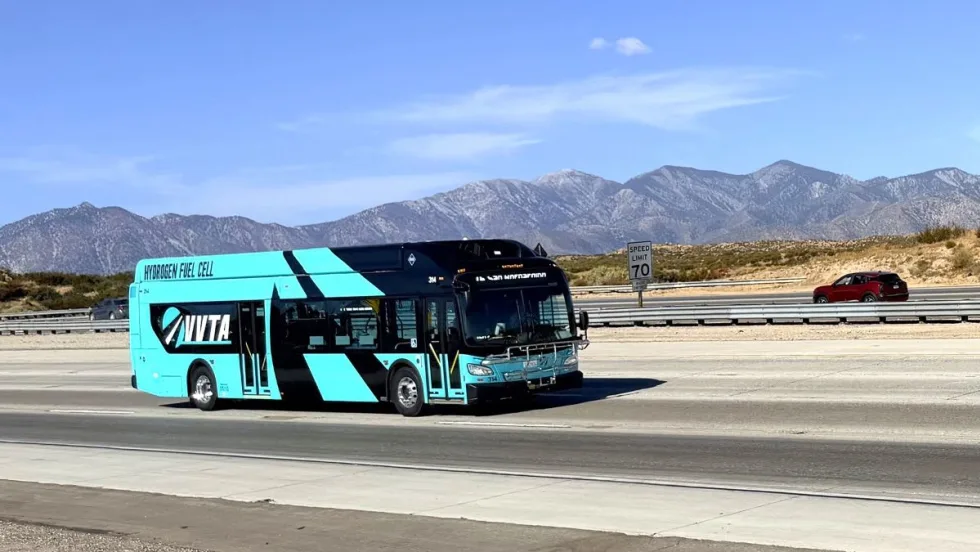
California's VVTA Begins Phased Rollout of Hydrogen Fuel Cell Buses
The agency is introducing 13 zero-emission buses into revenue service while evaluating performance across its urban, rural, and long-distance routes.
Read More →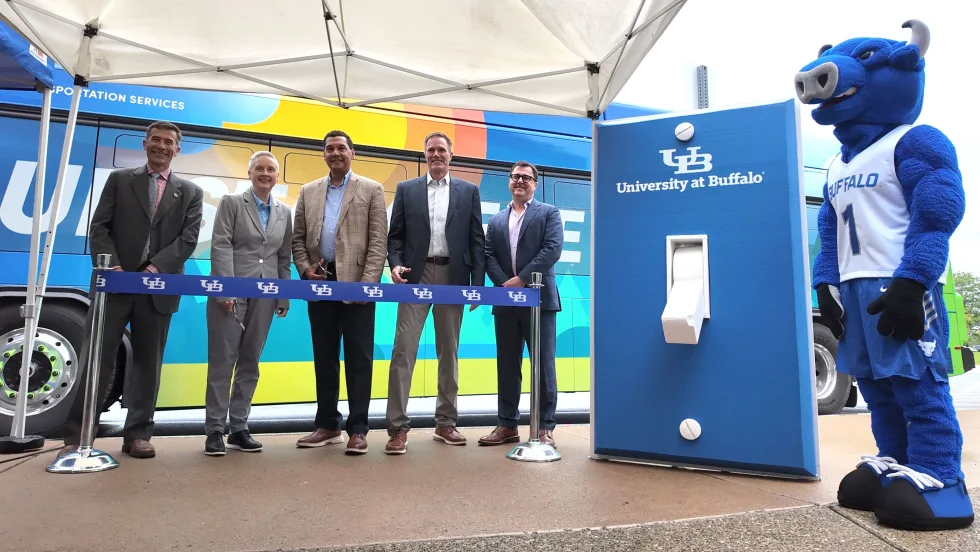
Inside Look: University at Buffalo Puts First 8 Electric Buses Into Stampede Service
UB, transportation solutions provider WeDriveU, and fleet electrification specialist Zenobē marked the deployment in the presence of students, university administrators, and local officials.
Read More →
Biz Briefs: OCTA Taps Clean Energy for Hydrogen Station, Stadler to Supply Via Rail Vehicles, and More
From manufacturers and suppliers to transit agencies and motorcoach operators, these updates offer a snapshot of the projects, partnerships and business moves driving the industry forward.
Read More →
AC Transit’s Cecil Blandon on Building the Next Generation of Transit Maintenance Leaders
The agency’s maintenance chief discusses leadership, workforce development, zero-emission technology, and preparing technicians for the future of public transportation.
Read More →
CTDOT Taps STV for Electric Bus Facility Design
The firm will work with CTDOT and RVT to define the facility layout, operational requirements, and long-term flexibility for RVT’s growing electric fleet.
Read More →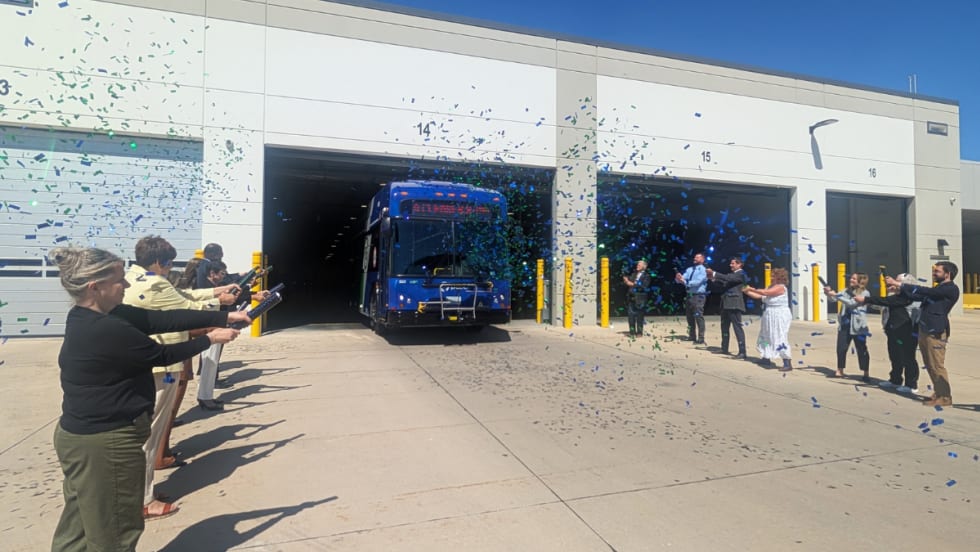
Chicago’s Pace Deploys 24 Hybrid-Electric Buses in Will County
The new buses reduce emissions and fuel consumption while advancing the agency's long-term goal of transitioning to a fully zero-emission fleet.
Read More →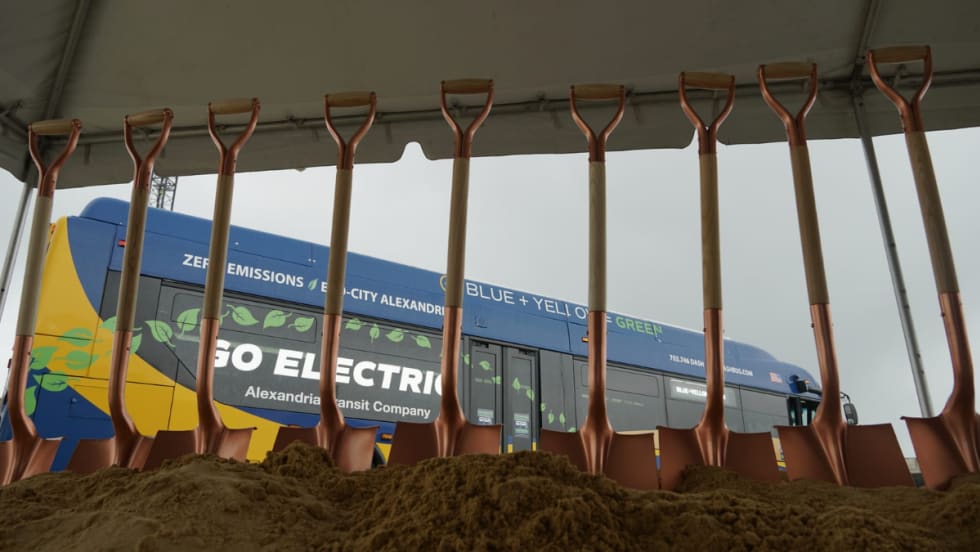
DASH Breaks Ground on First On-Route Electric Bus Chargers in D.C. Region
The fast-charging infrastructure will help extend electric bus range, improve fleet utilization, and support DASH's goal of transitioning to a fully zero-emission fleet.
Read More →