




Read More: NTVC Report Makes Short-, Long-Term WMATA Recommendations
NVTC Discusses How New Strategic Plan Will Help Zero-Emission Bus Transitions
NVTC's Ann McGrane discussed the agency's Northern Virginia Zero-Emission Bus Strategic Plan and how the agency is moving forward with its emissions efforts.
January 9, 2024

ZEBs produce zero tailpipe emissions and can be either battery electric buses (BEBs) or hydrogen-powered fuel cell electric buses (FCEBs).
Photo: NVTC
3 min to read
The Northern Virginia Transportation Commission (NVTC) announced it is coordinating among transit agencies in Northern Virginia on the transition to zero-emission bus (ZEB) fleets.
NVTC's Northern Virginia Zero-Emission Bus Strategic Plan outlines regional strategies to help the agencies reach sustainability goals while providing transit service to riders.
Ann McGrane, senior program manager at NVTC, addressed what the agency learned while developing the plan.
"Flexibility is important," McGrane said. "We're in a space where ZEB technology is continuing to mature and change, so it's important that plans allow for the change to occur while still advancing the goal of zero-emission transportation. Try to avoid proprietary technologies and stagger purchases so that new advancements can be integrated into fleets over time. Given the number of operators within Northern Virginia, interoperability is a key issue that we plan to focus on going forward."
Challenges That Come with ZEBs
ZEBs produce zero tailpipe emissions and can be either battery-electric buses (BEBs) or hydrogen-powered fuel cell electric buses (FCEBs).
However, the transition to ZEBs presents challenges:
Cost and Funding: ZEBs typically cost more than $1 million per bus and require new charging or fueling infrastructure
Operational Differences: Current BEBs cannot replace diesel buses on a 1:1 basis for all routes due to their shorter ranges
Availability: Grid capacity for BEBs and hydrogen supply for FCEBs remain critical pathways to successfully implementing ZEBs
Workforce Development: Whether a BEB or a FCEB, ZEBs require new skills for the transit workforce
McGrane addressed the biggest challenge that agencies face when transitioning to ZEBs.
"One reason why the zero-emission transition is so widely discussed is that there are a series of challenges to confront," McGrane said. "It is hard to single out one issue as the biggest challenge, as that answer will likely change based on where an agency is in the transition process. Partially due to our role in the region, NVTC views funding as a critical challenge for the ZEB transition. Our region has facilities that were purpose-built for diesel or CNG fleets that now need to be renovated to handle charging infrastructure or hydrogen fueling infrastructure, often within constrained facility spaces."
NVTC Implementing ZEB Strategies
NVTC's strategies include actions that are already underway, such as facilitating a ZEB working group and educating staff and local elected officials on ZEB advancements.
The plan also identifies the quick wins that staff can begin in 2024 and build from in the coming years.
NVTC's ZEB strategies include:
Serve as a regional ZEB forum
Advocate for consistent and supportive ZEB standards and policies
Provide regional ZEB funding coordination
Support the development of shared BEB charging infrastructure
Evaluate opportunities for private partnerships related to ZEBs
Support ZEB workforce training and education
McGrane added that NVTC's strategic plan is focused on ways that the agency can provide value to the transit agencies within the region.
"Each of the five transit agencies in the NVTC transportation district, as well as two more that operate within the boundaries, are at different stages in their transition to ZEBs," McGrane said. "Our purpose is to identify cross-jurisdictional efforts that can make their individual transitions easier from a cost or operational perspective. NVTC serves as a forum for regional coordination, collaboration, and funding for transit, so those were the areas where we thought we could make the biggest impact."
NVTC vetted these strategies with local jurisdictional staff and its commissioners to ensure that they would be useful, according to McGrane.
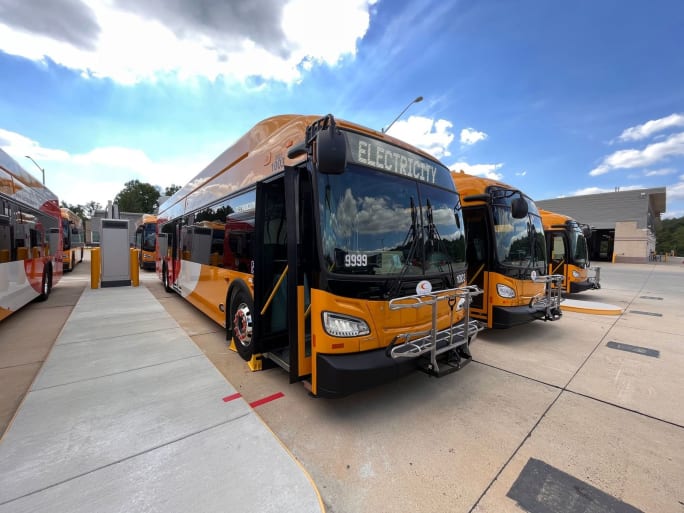
NVTC's strategies include actions that are already underway, such as facilitating a ZEB working group and educating staff and local elected officials on ZEB advancements.
Photo: NVTC
Other Zero-Emission Efforts for NVTC
The agency said it is prioritizing working with partners to identify long-term, sustainable, and dedicated funding to meet WMATA's capital and operating needs.
McGrane discussed other zero-emissions efforts NVTC is focusing on.
"We have the Commuter Choice grant program that reinvests toll revenues into projects that provide alternatives to driving alone," McGrane said. "Finally, the Northern Virginia Zero-Emission Bus Strategic Plan is only the start of our ZEB efforts. Our next steps involve evaluating the feasibility of shared on-route charging infrastructure and helping our local agencies share lessons learned and preliminary data from operating ZEBs."
More Zero Emissions
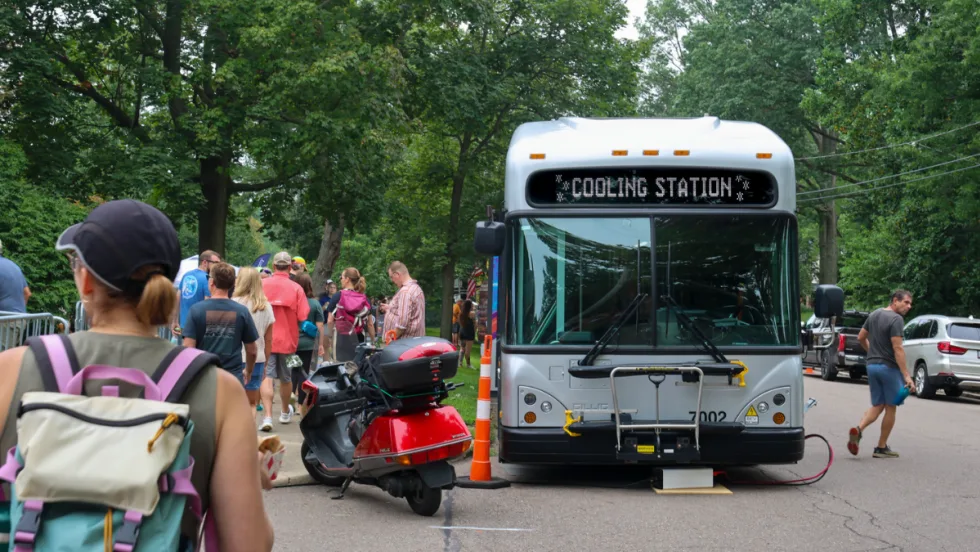
Ohio’s METRO RTA Turns Electric Buses into Mobile Power Sources at PorchROKR
See how three Gillig battery-electric buses powered festival stages while the agency’s new Park & Ride service carried approximately 1,000 attendees, demonstrating another potential use for transit agencies’ electric fleets.
Read More →
CALSTART and Forth Combine to Form Catalyst Mobility
The new name represents a renewed vision for the nonprofit focused on advancing clean, equitable, and affordable transportation solutions that move people and goods.
Read More →
Building a Flexible Path to Transit Electrification
John Hroncich discusses BAE Systems’ modular and scalable approach, lessons learned from decades of real-world operations, and how agencies can identify electrification strategies that fit their fleets.
Read More →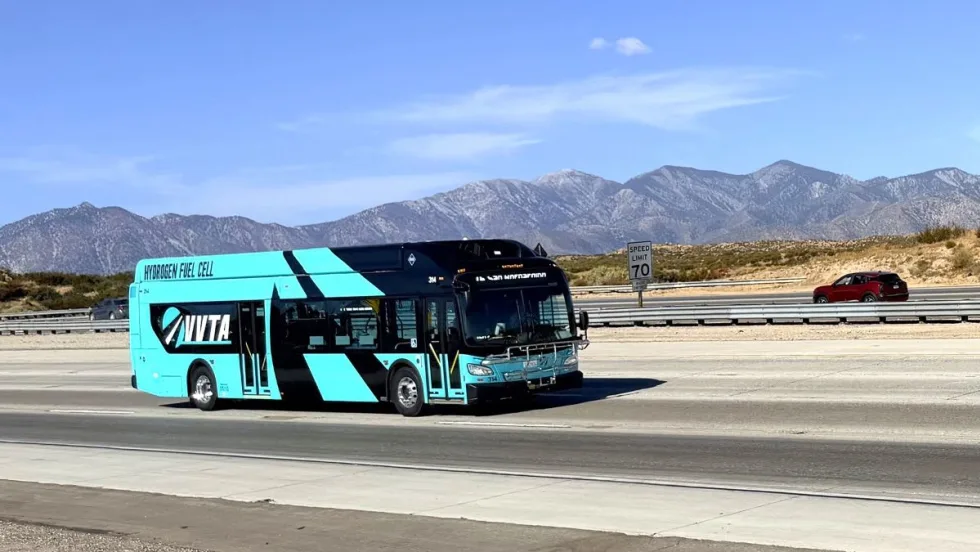
California's VVTA Begins Phased Rollout of Hydrogen Fuel Cell Buses
The agency is introducing 13 zero-emission buses into revenue service while evaluating performance across its urban, rural, and long-distance routes.
Read More →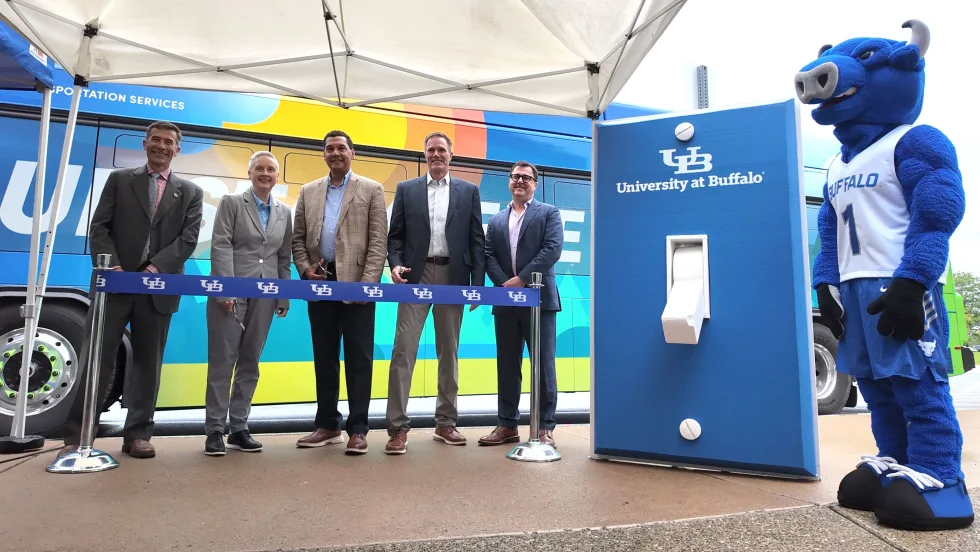
Inside Look: University at Buffalo Puts First 8 Electric Buses Into Stampede Service
UB, transportation solutions provider WeDriveU, and fleet electrification specialist Zenobē marked the deployment in the presence of students, university administrators, and local officials.
Read More →
Biz Briefs: OCTA Taps Clean Energy for Hydrogen Station, Stadler to Supply Via Rail Vehicles, and More
From manufacturers and suppliers to transit agencies and motorcoach operators, these updates offer a snapshot of the projects, partnerships and business moves driving the industry forward.
Read More →
AC Transit’s Cecil Blandon on Building the Next Generation of Transit Maintenance Leaders
The agency’s maintenance chief discusses leadership, workforce development, zero-emission technology, and preparing technicians for the future of public transportation.
Read More →
CTDOT Taps STV for Electric Bus Facility Design
The firm will work with CTDOT and RVT to define the facility layout, operational requirements, and long-term flexibility for RVT’s growing electric fleet.
Read More →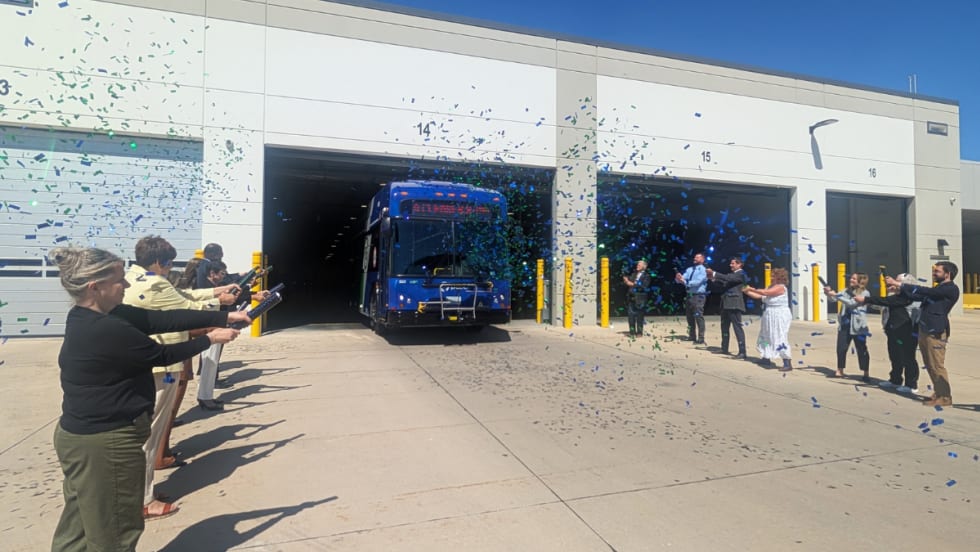
Chicago’s Pace Deploys 24 Hybrid-Electric Buses in Will County
The new buses reduce emissions and fuel consumption while advancing the agency's long-term goal of transitioning to a fully zero-emission fleet.
Read More →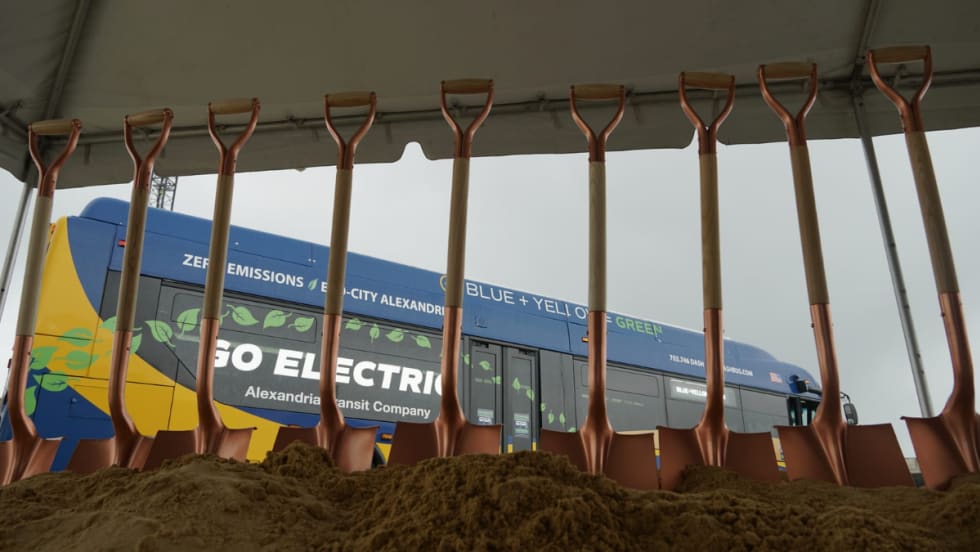
DASH Breaks Ground on First On-Route Electric Bus Chargers in D.C. Region
The fast-charging infrastructure will help extend electric bus range, improve fleet utilization, and support DASH's goal of transitioning to a fully zero-emission fleet.
Read More →